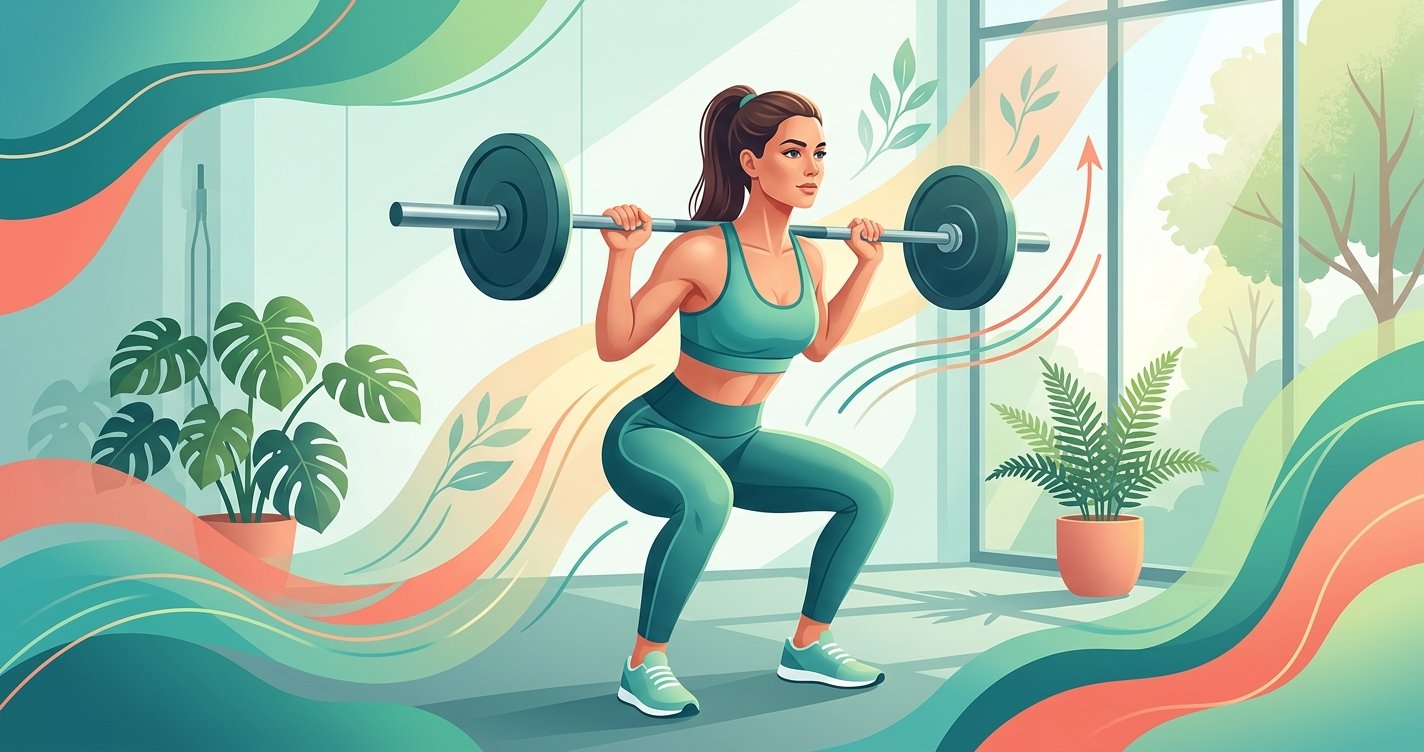
Tired of the endless cycle of restrictive diets and grueling cardio sessions that leave you feeling drained and frustrated? You’re not alone. Many embark on their fat loss journey with the best intentions, only to find that quick fixes rarely lead to lasting results. What if there was a more empowering, effective, and sustainable path to transforming your body and boosting your metabolism? There is, and it’s called strength training.
Forget everything you thought you knew about 'bulking up' or needing to spend hours on a treadmill. This guide will reveal why lifting weights isn't just for bodybuilders – it’s your secret weapon for genuine, sustainable fat loss, helping you build a stronger, leaner, and more confident you. Get ready to challenge your perceptions, embrace the weights, and unlock a new level of health and fitness. this excellent wellness product
Why Strength Training is Your Secret Weapon for Fat Loss
For decades, cardio has been championed as the king of fat loss. While it certainly plays a role in overall health and calorie burning, focusing solely on cardio often overlooks a crucial piece of the fat loss puzzle: body composition. Strength training shifts your body's make-up, reducing fat while simultaneously building muscle. This isn't just about looking good; it's about fundamentally changing how your body operates.
Unlike cardio, which primarily burns calories during the activity itself, strength training kickstarts a metabolic cascade that continues long after your workout is done. It’s a powerful tool for sculpting your physique, increasing your strength, and creating a more efficient, fat-burning machine.
The Metabolic Magic: How Muscle Burns More Calories, Even at Rest
This is where strength training truly shines. The impact it has on your metabolism is profound and long-lasting.
The Afterburn Effect (EPOC)
When you lift weights, your muscles endure micro-tears that require energy to repair and rebuild. This process, known as Excess Post-exercise Oxygen Consumption (EPOC) or the 'afterburn effect,' means your body continues to burn calories at an elevated rate for hours – sometimes even days – after your workout. Think of it as a metabolic credit that keeps paying dividends long after you’ve left the gym.
Boosting Your Resting Metabolic Rate (RMR)
Perhaps the most significant benefit of building muscle is its impact on your Resting Metabolic Rate (RMR). RMR is the number of calories your body burns simply to perform basic functions like breathing, circulating blood, and maintaining body temperature, even when you’re doing nothing. Muscle tissue is metabolically active, meaning it requires more energy to maintain than fat tissue. For every pound of muscle you gain, your body burns an additional 7-10 calories per day at rest. While this might sound small individually, over weeks and months, and as you build more muscle, it adds up significantly, turning your body into a more efficient fat-burning furnace 24/7.
Beyond the Scale: Recomposing Your Body for a Stronger You
One of the most liberating aspects of strength training for fat loss is learning to look beyond the number on the scale. While weight loss often implies losing both fat and muscle, fat loss through strength training focuses on body recomposition – decreasing fat mass while increasing or maintaining muscle mass. This means your weight might not drop dramatically, but your body shape will transform.
You’ll notice clothes fitting better, a more toned appearance, increased strength in everyday tasks, and a significant boost in confidence. These are often referred to as 'non-scale victories,' and they are incredibly motivating. Your body becomes firmer, more defined, and more capable, reflecting the hard work you’re putting in.
Getting Started: Your Strength Training Blueprint
Ready to pick up some weights? Here’s how to begin your journey, regardless of your experience level.
Essential Equipment: Gym vs. Home Workouts
- Gym: Offers a wide array of machines, free weights (dumbbells, barbells, kettlebells), and knowledgeable staff. Ideal for progressive overload.
- Home: Can be effective with minimal equipment like resistance bands, dumbbells, or even just your body weight. As you progress, you might invest in heavier dumbbells or a kettlebell.
Key Principles of Effective Training
- Progressive Overload: To keep getting stronger and building muscle, you must continually challenge your muscles. This means gradually increasing the weight, reps, sets, or decreasing rest time over time.
- Proper Form: Always prioritize correct technique over heavy weight. Poor form can lead to injury and diminish the effectiveness of the exercise. Watch videos, consider a trainer, or use mirrors to check your posture.
- Compound Movements: Focus on exercises that work multiple muscle groups simultaneously, like squats, deadlifts, presses (overhead and bench), and rows. These are efficient and highly effective for building overall strength and muscle.
A Sample Weekly Routine (Beginner-Friendly)
Aim for 2-3 full-body strength training sessions per week on non-consecutive days to allow for muscle recovery. Here’s a simple structure:
- Warm-up (5-10 minutes): Light cardio and dynamic stretches.
- Workout (30-60 minutes):
- Squats (Goblet Squats or Bodyweight Squats): 3 sets of 8-12 reps
- Push-ups (on knees or toes): 3 sets to failure or 8-12 reps
- Dumbbell Rows (or Bodyweight Rows): 3 sets of 8-12 reps per arm
- Overhead Press (Dumbbell or Resistance Band): 3 sets of 8-12 reps
- Plank: 3 sets, hold for 30-60 seconds
- Cool-down (5-10 minutes): Static stretches.
Remember, start with weights that allow you to complete the reps with good form but feel challenging by the last few reps. As you get stronger, gradually increase the weight.
Fueling Your Progress: Nutrition for Muscle Growth and Fat Loss
You can't out-train a poor diet. Nutrition is paramount for both building muscle and losing fat. Think of food as fuel and building blocks for your new, stronger body.
The Power of Protein
Protein is your best friend on a fat loss journey. It’s essential for muscle repair and growth, helps you feel fuller for longer (reducing overall calorie intake), and has a higher thermic effect than carbs or fats, meaning your body burns more calories digesting it. Aim for 0.7-1 gram of protein per pound of body weight daily.
- Excellent Protein Sources: Lean meats (chicken breast, turkey, lean beef), fish (salmon, cod), eggs, Greek yogurt, cottage cheese, legumes, tofu, protein powder.
Smart Carbohydrates and Healthy Fats
Don't cut out carbs entirely! They provide the energy needed for intense workouts. Opt for complex carbohydrates like whole grains, fruits, and vegetables. Healthy fats (avocado, nuts, seeds, olive oil) are crucial for hormone production and nutrient absorption.
The Calorie Deficit: The Non-Negotiable for Fat Loss
To lose fat, you must consume fewer calories than your body burns. Strength training helps by increasing your RMR, making it easier to create this deficit without drastically cutting food. Aim for a moderate deficit (300-500 calories below your maintenance) to ensure sustainable fat loss while preserving muscle.
The Unsung Heroes: Sleep, Stress, and Hydration
These often-overlooked factors play a critical role in your fat loss success.
- Sleep: Aim for 7-9 hours of quality sleep per night. Sleep deprivation can disrupt hormones that regulate appetite and fat storage (ghrelin, leptin, cortisol).
- Stress Management: Chronic stress elevates cortisol levels, which can promote belly fat storage. Incorporate stress-reducing activities like meditation, yoga, or hobbies.
- Hydration: Drink plenty of water throughout the day. It supports metabolic processes, aids in satiety, and keeps your energy levels up.
Consistency and Patience: The Real Keys to Lasting Results
Transforming your body takes time, effort, and consistency. There will be days when motivation dips, and progress feels slow. Embrace the journey, celebrate small victories, and remember that fitness is a marathon, not a sprint.
Don't compare your journey to anyone else's. Focus on your personal progress – getting stronger, improving your form, feeling more energetic. Consistency in your workouts and nutrition will always yield results over time.
Debunking Common Myths About Lifting for Women
Many women shy away from weights due to common misconceptions. Let's clear the air:
Myth 1: 'I'll get too bulky.'
This is perhaps the biggest fear, but it's largely unfounded. Women naturally have significantly lower levels of testosterone than men, making it very difficult to build large, 'bulky' muscles without specific training, diet, and often, pharmacological interventions. What you will achieve is a toned, strong, and athletic physique.
Myth 2: 'Cardio is better for burning fat.'
While cardio burns calories during the activity, strength training offers the powerful afterburn effect and boosts your RMR, leading to greater long-term fat loss and body recomposition benefits. A combination of both is ideal for overall fitness and health.
Myth 3: 'The scale isn't moving!'
Remember body recomposition. As you gain muscle and lose fat, your body weight might stay the same or even increase slightly, because muscle is denser than fat. Focus on how your clothes fit, your measurements, your strength gains, and your energy levels – these are far better indicators of progress than the scale alone.
Embrace the Journey: Confidence Through Strength
Strength training for fat loss is more than just a workout routine; it's a lifestyle change that empowers you from the inside out. It teaches you discipline, resilience, and the incredible capabilities of your own body. As you get stronger, you'll find that confidence spills over into every aspect of your life.
It's time to ditch the fleeting promises of crash diets and endless cardio. Embrace the weights, fuel your body wisely, prioritize recovery, and trust the process. Your journey to a leaner, stronger, and more confident self starts now. Pick up those weights – your future self will thank you for it!