When you picture someone trying to lose fat, what often comes to mind? Hours logged on the treadmill, endless elliptical sessions, or perhaps a brisk walk. While cardiovascular exercise certainly has its place in a healthy lifestyle, it's time to let you in on a powerful secret weapon that's often overlooked, especially when it comes to *sustainable* fat loss: strength training.
Forget the myth that lifting weights will make you "bulky" or that it's just for bodybuilders. Strength training is a game-changer for anyone looking to transform their body, boost their metabolism, and achieve long-term, noticeable results. It's not just about losing weight; it's about body recomposition – changing your body's fat-to-muscle ratio for a leaner, stronger, and healthier you. Let's dive into why adding some iron (or even just your body weight!) to your routine is the smartest move you can make for fat loss. this excellent wellness product
The Metabolic Magic: How Muscle Torches Calories
One of the most compelling reasons to embrace strength training for fat loss lies in its profound impact on your metabolism. Your Basal Metabolic Rate (BMR) is the number of calories your body burns at rest, just to keep you alive. And guess what? Muscle tissue is far more metabolically active than fat tissue.
Think of it this way: for every pound of muscle you gain, your body burns an additional 6-10 calories per day, even when you're just sitting on the couch! While that might not sound like a huge number for one pound, it adds up significantly over time. Replacing just a few pounds of fat with muscle can mean burning hundreds of extra calories each week without lifting a finger.
But the metabolic benefits don't stop there. Strength training also triggers what's known as the "afterburn effect" or EPOC (Excess Post-exercise Oxygen Consumption). After a challenging weightlifting session, your body continues to burn calories at an elevated rate for hours, sometimes even up to 48 hours, as it works to repair muscle tissue and restore balance. This means you're still burning fat long after you've left the gym, a benefit that steady-state cardio simply can't match to the same extent.
Sculpt Your Body: Body Recomposition and Aesthetics
Many people focus solely on the number on the scale. However, true transformation and health improvements are often better reflected by body composition. You could weigh the same, but look dramatically different if you've reduced body fat and gained muscle.
Strength training is unparalleled in its ability to facilitate body recomposition. When you're in a calorie deficit (eating fewer calories than you burn), your body tends to lose both fat and muscle. But by incorporating strength training, you send a powerful signal to your muscles to hold onto their mass, or even grow, while you shed fat. This leads to a leaner, more "toned" physique. That firm, sculpted look isn't achieved by simply losing weight; it's the result of having well-developed muscles underneath a reduced layer of fat.
And for the ladies out there, please don't fear becoming "bulky." Women naturally have much lower levels of testosterone than men, making it incredibly difficult to build large amounts of muscle mass without specific, intense training and dietary protocols. What you will achieve is a strong, powerful, and aesthetically pleasing physique that exudes confidence.
Beyond the Gym: Health Benefits That Support Fat Loss
The advantages of strength training extend far beyond metabolic boosts and aesthetics. These broader health benefits play a crucial, indirect role in supporting your fat loss journey:
- Improved Insulin Sensitivity: Regular strength training can enhance your body's ability to use insulin effectively, leading to better blood sugar control and reducing the likelihood of fat storage, especially around the midsection.
- Stronger Bones and Joints: Lifting weights puts positive stress on your bones, stimulating them to become denser and stronger. This is vital for preventing osteoporosis and improving joint stability, allowing you to stay active and injury-free for longer.
- Better Mood and Reduced Stress: Exercise, especially strength training, is a fantastic stress reliever. It releases endorphins, which have mood-boosting effects. Managing stress is key for fat loss, as high stress levels can lead to increased cortisol, a hormone linked to fat storage, particularly in the abdominal area.
- Increased Functional Strength: Daily tasks become easier! Carrying groceries, playing with your kids, or simply walking upstairs will feel less strenuous when you're stronger. This increased functional strength encourages a more active lifestyle overall, further contributing to calorie expenditure.
Your Strength Training Blueprint: Getting Started
Ready to pick up some weights? Here’s a friendly, evidence-based guide to kickstart your strength training journey:
Frequency
Aim for 2-4 strength training sessions per week. This allows enough time for your muscles to recover and grow between workouts.
Exercise Selection
Focus on compound movements – exercises that work multiple muscle groups at once. These are incredibly efficient and effective. Examples include:
- Squats (goblet squats, barbell squats)
- Deadlifts (romanian deadlifts, conventional deadlifts)
- Push-ups and Bench Presses
- Overhead Presses
- Rows (dumbbell rows, barbell rows)
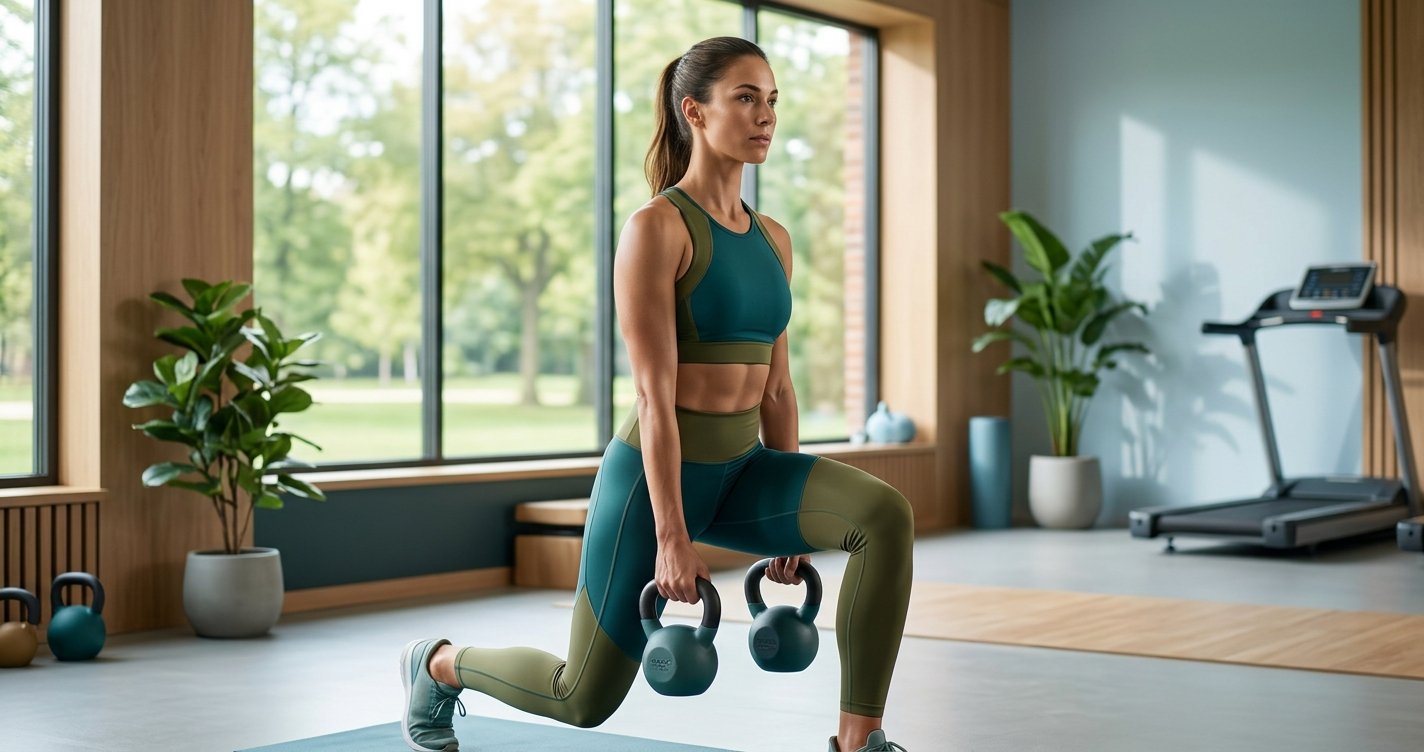
- Lunges
Supplement these with isolation exercises (like bicep curls or tricep extensions) if you wish, but the compound movements should form the backbone of your routine.
Reps & Sets
For muscle growth (hypertrophy) and strength, a common recommendation is 3-4 sets of 6-12 repetitions per exercise. Choose a weight that challenges you, where the last 1-2 reps feel tough but you can still maintain good form.
Progressive Overload: The Golden Rule
This is the secret sauce to continuous progress. To keep getting stronger and building muscle, you must continually challenge your muscles. This means gradually increasing the demands placed on your body over time. You can achieve progressive overload by:
- Increasing the weight you lift.
- Increasing the number of repetitions.
- Increasing the number of sets.
- Decreasing rest time between sets.
- Improving your form and control.
Always strive to do a little more than last time, even if it's just one extra rep or a tiny weight increase.
Form Over Weight
Never sacrifice proper form for heavier weight. Incorrect form can lead to injuries and less effective workouts. If you're new, consider hiring a certified personal trainer for a few sessions to learn the correct techniques, or utilize reputable online resources and videos.
Fueling Your Progress: Nutrition and Recovery
Strength training is only half the battle; what you do outside the gym is equally crucial for fat loss and muscle gain.
Protein Power
Protein is the building block of muscle. To support muscle repair and growth, aim for a high protein intake. A good general guideline is 0.7-1 gram of protein per pound of your target body weight. Include lean protein sources like chicken, fish, eggs, lean beef, dairy, lentils, and beans in every meal.
Calorie Deficit (Smartly)
To lose fat, you generally need to be in a calorie deficit. However, it's vital to create this deficit smartly. Don't slash your calories too drastically, as this can lead to muscle loss and hinder your energy levels for workouts. Aim for a moderate deficit (around 300-500 calories below your maintenance) to ensure sustainable fat loss while preserving muscle.
Hydration
Water is essential for nearly every bodily function, including metabolism, nutrient transport, and joint lubrication. Stay well-hydrated throughout the day, especially around your workouts.
Sleep: The Unsung Hero
Don't underestimate the power of sleep! During deep sleep, your body releases growth hormone, which is vital for muscle repair and fat burning. Lack of sleep can also disrupt hormones that regulate appetite (ghrelin and leptin) and increase cortisol, making fat loss significantly harder. Aim for 7-9 hours of quality sleep per night.
Patience and Consistency: The Long Game
Transforming your body with strength training is a journey, not a sprint. Visible changes take time, consistency, and patience. Don't get discouraged if you don't see results overnight. Celebrate small victories: an extra rep, a slightly heavier weight, feeling stronger in your daily life, or seeing your clothes fit differently.
Focus on showing up, giving your best effort, and trusting the process. The strength you build inside and out will empower you in ways you never imagined, extending far beyond just fat loss.
Conclusion
It's time to reframe your approach to fat loss. While cardio has its merits, strength training offers a uniquely powerful, sustainable, and empowering path to a leaner, stronger, and healthier you. By boosting your metabolism, sculpting your physique, and offering a myriad of health benefits, lifting weights becomes your most effective ally in the fight against unwanted body fat.
So, ditch the misconception that strength training isn't for you. Embrace the weights, fuel your body well, prioritize recovery, and watch as you not only shed fat but also build confidence, resilience, and a body you're incredibly proud of. Your secret weapon awaits!