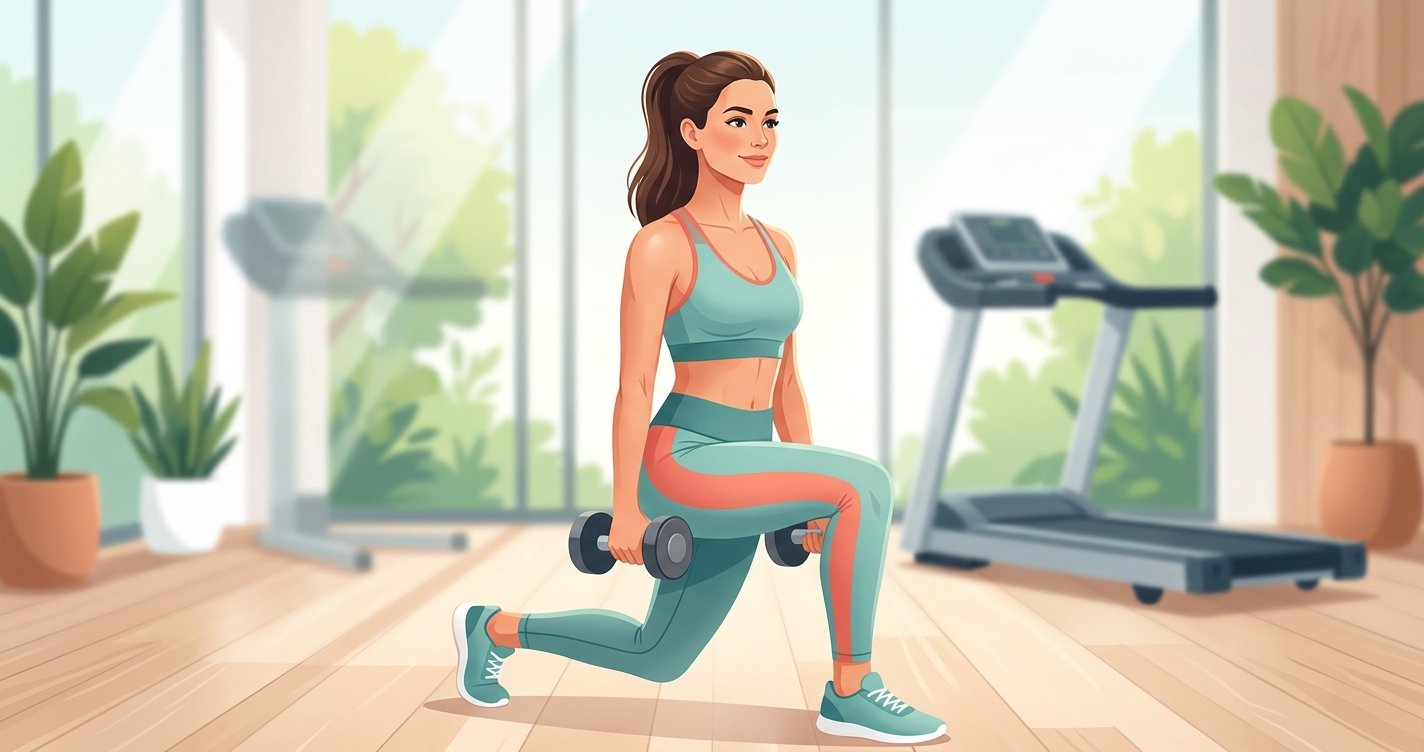
Beyond the Treadmill: How Strength Training Transforms Your Body for Sustainable Fat Loss
When you think about fat loss, what's the first image that comes to mind? For many, it's endless hours on a treadmill or elliptical, sweating through a cardio session. While cardiovascular exercise certainly has its place in a healthy lifestyle, it's often overemphasized as the primary driver for fat loss, especially sustainable fat loss. What if I told you there's a more powerful, more efficient, and often more enjoyable way to sculpt your body, boost your metabolism, and achieve lasting fat loss? Enter strength training.
Yes, lifting weights isn't just for bodybuilders or athletes. It's a game-changer for anyone looking to reduce body fat, improve their physique, and enhance their overall health. In this evidence-based, friendly guide, we'll dive deep into why strength training is your ultimate secret weapon for sustainable fat loss, debunk common myths, and give you the tools to start your transformative journey. this excellent wellness product
Why Strength Training is Your Fat Loss Secret Weapon
Forget what you thought you knew about fat loss. Strength training offers a unique set of benefits that cardio alone simply can't match when it comes to long-term body recomposition and metabolic health.
Boost Your Metabolism (The Afterburn Effect - EPOC)
One of the most exciting benefits of strength training is its impact on your metabolism, even after your workout is over. This is known as the Excess Post-exercise Oxygen Consumption (EPOC), or simply, the "afterburn effect." Unlike steady-state cardio, which primarily burns calories during the activity itself, strength training causes micro-tears in your muscle fibers that need repair. This repair process requires energy, meaning your body continues to burn calories at an elevated rate for hours, sometimes even days, after you've left the gym. Think of it as getting paid to work even after you've clocked out!
Build Muscle, Burn More Calories (Resting Metabolic Rate)
Muscle is metabolically active tissue, far more so than fat. The more muscle mass you have, the more calories your body burns at rest, even when you're just sitting on the couch or sleeping. This is your Resting Metabolic Rate (RMR). For every pound of muscle you build, you increase your RMR, making it easier to maintain a calorie deficit and lose fat over time. This means that by building muscle, you're essentially turning your body into a more efficient, calorie-burning machine 24/7.
Sculpt Your Body and Improve Body Composition
While fat loss is important, what truly transforms your physique is body recomposition – changing the ratio of fat to muscle. Cardio can help you lose weight, but it doesn't necessarily sculpt your body. Strength training, on the other hand, allows you to build and shape specific muscle groups, leading to a more toned, defined, and aesthetically pleasing physique. You might even find that your clothes fit better and you look leaner, even if the scale doesn't budge much, because you're losing fat and gaining dense muscle.
Enhance Insulin Sensitivity
Improved insulin sensitivity is a crucial benefit of strength training for fat loss and overall health. When your body is more sensitive to insulin, it can more efficiently transport glucose (sugar) from your bloodstream into your cells for energy, rather than storing it as fat. This helps stabilize blood sugar levels, reduces cravings, and makes it easier for your body to tap into fat stores for fuel. It's a win-win for metabolic health and fat loss.
Debunking Common Myths About Strength Training for Women
It's time to address some of the persistent myths that often deter women (and sometimes men) from embracing strength training.
"But I Don't Want to Bulk Up!"
This is perhaps the most common concern, especially among women. Let's be clear: unless you're intentionally training like a professional bodybuilder, consuming a massive calorie surplus, and potentially using performance-enhancing drugs, you will not "bulk up" like a competitive athlete. Women naturally have much lower levels of testosterone, the primary hormone responsible for significant muscle growth. What you will achieve is a lean, toned, and strong physique that looks fantastic and feels even better.
"Cardio is Better for Fat Loss"
While cardio burns calories during the activity, we've already discussed the long-term metabolic advantages of strength training. For sustainable fat loss, a combination of both is ideal, but strength training plays a more critical role in preserving muscle mass during a calorie deficit, which is essential for maintaining a high RMR. Relying solely on cardio for fat loss often leads to a decrease in both fat and muscle, slowing your metabolism in the long run.
Getting Started: Your Strength Training Blueprint
Ready to pick up some weights? Here's how to begin your journey effectively and safely.
Frequency and Intensity
For beginners, 2-3 full-body strength training sessions per week on non-consecutive days is a great starting point. This allows adequate time for muscle recovery and growth. As you progress, you might move to 3-4 sessions, potentially incorporating an upper/lower split or push/pull/legs routine. Intensity is key: you should be challenging yourself with weights that make the last few repetitions of a set feel difficult, but not impossible, to complete with good form.
Compound vs. Isolation Movements: Why Compound is King
Focus on compound exercises, which work multiple muscle groups and joints simultaneously. These are incredibly efficient for building overall strength and burning more calories. Examples include:
- Squats: Works quads, glutes, hamstrings, core.
- Deadlifts: Works back, glutes, hamstrings, core, forearms.
- Bench Press: Works chest, shoulders, triceps.
- Overhead Press: Works shoulders, triceps, core.
- Rows: Works back, biceps, shoulders.
Isolation exercises (like bicep curls or triceps extensions) have their place for specific muscle development but should complement, not replace, compound movements.
Progressive Overload: The Key to Continuous Progress
To keep building muscle and getting stronger, you need to continually challenge your muscles. This principle is called progressive overload. It means gradually increasing the demands on your body over time. This can be achieved by:
- Increasing the weight you lift.
- Doing more repetitions with the same weight.
- Performing more sets.
- Reducing rest time between sets.
- Improving your form and control.
Without progressive overload, your muscles won't have a reason to adapt and grow stronger.
Fueling Your Progress: Nutrition for Strength Training & Fat Loss
You can't out-train a poor diet. Nutrition is paramount when combining strength training with fat loss goals.
Protein Power: Why it's Crucial
Protein is your best friend for fat loss and muscle building. It's essential for repairing muscle tissue after workouts, helps you feel full and satisfied, and has a higher thermic effect (meaning your body burns more calories digesting it) than carbs or fats. Aim for around 0.7-1 gram of protein per pound of body weight daily, spread throughout your meals.
Smart Carbs and Healthy Fats
Don't fear carbohydrates! They are your body's primary energy source, crucial for fueling intense workouts and aiding recovery. Focus on complex carbohydrates like whole grains, fruits, and vegetables. Healthy fats (avocado, nuts, seeds, olive oil) are vital for hormone production and overall health. They also contribute to satiety.
Calorie Deficit, But Not Too Much
To lose fat, you still need to be in a calorie deficit (consuming fewer calories than you burn). However, when strength training, it's crucial not to create too aggressive a deficit, as this can hinder muscle recovery and lead to muscle loss. A moderate deficit of 300-500 calories below your maintenance level is typically a good starting point for sustainable fat loss while preserving muscle.
Beyond the Gym: Lifestyle Factors for Success
Your journey doesn't end when you leave the weight room. Holistic lifestyle choices amplify your results.
Prioritize Sleep
Sleep is when your body repairs and recovers, especially after strength training. Lack of sleep can impair muscle recovery, increase cravings for unhealthy foods, and negatively impact hormones related to fat storage and appetite. Aim for 7-9 hours of quality sleep per night.
Manage Stress
Chronic stress elevates cortisol levels, a hormone that can promote fat storage, especially around the midsection. Incorporate stress-reducing activities into your routine, such as meditation, yoga, spending time in nature, or hobbies you enjoy.
Stay Hydrated
Water is involved in countless bodily functions, including metabolism and nutrient transport. Being adequately hydrated can also help manage appetite and improve workout performance. Aim for at least 8 glasses of water daily, more if you're active.
Consistency is Key: Sticking With It for Lasting Results
Transformation doesn't happen overnight. It's a journey that requires patience, persistence, and a positive mindset.
Set Realistic Goals
Focus on small, achievable goals rather than overwhelming yourself with drastic targets. Celebrate your progress in strength, energy, and how your clothes fit, not just the number on the scale.
Track Your Progress
Keep a workout journal to record the weights you lift, reps, and sets. This helps you implement progressive overload and see how far you've come. Take progress photos and measurements, as the scale doesn't always tell the full story.
Celebrate Small Wins
Whether it's lifting a heavier weight, completing an extra rep, or simply showing up for your workout when you didn't feel like it, acknowledge and celebrate your efforts. This positive reinforcement fuels motivation.
Conclusion: Embrace the Power of Strength
Ditching the "cardio-only" mindset and embracing strength training is one of the most powerful decisions you can make for sustainable fat loss, a sculpted physique, and enhanced overall health. It's not just about burning calories; it's about building a stronger, more efficient, and more resilient body that works for you 24/7.
So, step away from the treadmill for a moment, head to the weights section, and start building the strong, lean body you've always wanted. Your future self will thank you for unlocking your true fat loss potential!