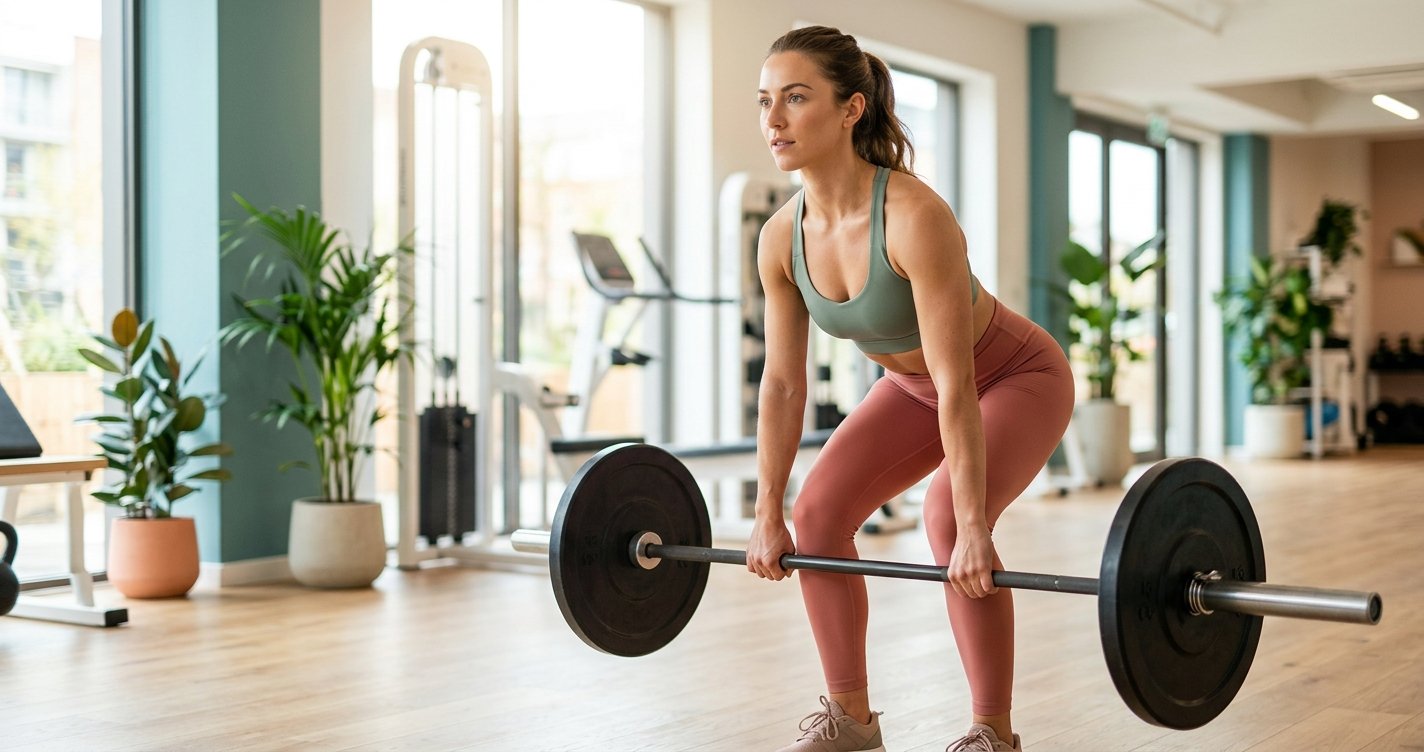
Introduction: Beyond the Treadmill – Unlocking Sustainable Fat Loss
For years, the go-to advice for fat loss has been to hit the treadmill, log endless hours on the elliptical, or embrace the latest restrictive diet. While cardio and calorie restriction play a role, many find themselves stuck, frustrated, or regaining lost weight. What if there was a more effective, empowering, and sustainable path to not just losing fat, but transforming your entire body and boosting your metabolism?
Enter strength training. Often misunderstood as a pursuit solely for bodybuilders or those looking to bulk up, resistance training is arguably the most potent tool in your fat loss arsenal. It doesn't just help you burn calories; it fundamentally changes your body composition, making you a more efficient fat-burning machine 24/7. This isn't about quick fixes; it's about building a stronger, healthier, and leaner you from the inside out. this excellent wellness product
In this comprehensive guide, we'll dive deep into why strength training is your ultimate ally for sustainable fat loss. We'll explore the science, debunk common myths, provide practical steps to get started, and offer actionable advice on how to integrate it effectively into your lifestyle. Get ready to embrace the weights and unlock a new level of confidence and vitality!
Why Strength Training is Your Fat Loss Secret Weapon
Forget the notion that cardio is king for fat loss. While it has its benefits, strength training offers unique advantages that directly address the core challenge of sustainable fat reduction.
The Metabolism Boost: Your Body Becomes a Fat-Burning Furnace
Muscle tissue is metabolically active. This means that even at rest, your muscles burn more calories than fat tissue. When you engage in strength training, you're not just burning calories during the workout; you're building and preserving muscle mass, which elevates your resting metabolic rate (RMR). The more muscle you have, the more calories your body naturally burns throughout the day, even when you're sleeping or sitting at your desk.
Beyond the immediate calorie burn and increased RMR, strength training also triggers a phenomenon known as EPOC (Excess Post-exercise Oxygen Consumption), often called the "afterburn" effect. After an intense strength session, your body continues to burn calories at an elevated rate for hours, sometimes even days, as it works to repair muscle tissue, restore energy stores, and return to a pre-exercise state. This prolonged calorie expenditure is a significant advantage that pure cardio often can't match.
Reshaping Your Body: Achieving a Toned and Defined Physique
When most people talk about "weight loss," what they often truly desire is "fat loss" and a more toned appearance. Losing weight through diet alone can lead to significant muscle loss, which can leave you looking "skinny fat" – lighter on the scale but lacking definition. Strength training helps you preserve and even build muscle while you're in a calorie deficit, ensuring that the weight you lose is primarily fat.
This is crucial for body recomposition. Instead of just shrinking, you're actively sculpting your body. Your muscles become more defined, your posture improves, and you develop a strong, athletic physique. The result isn't just a lower number on the scale, but a body that looks and feels firmer, stronger, and more confident.
Dispelling the Myths: You Won't Get "Bulky" (Especially for Women!)
One of the most common fears, particularly among women, is that lifting weights will lead to an undesirable "bulky" physique. Let's address this myth head-on: it's incredibly difficult for most women to become "bulky" from strength training alone.
The hormonal makeup of women, specifically much lower levels of testosterone compared to men, makes significant muscle hypertrophy (extreme muscle growth) very challenging without very specific, intense training, and often, dietary interventions that are far beyond the scope of general fitness. What most women experience is increased muscle tone, definition, and strength – a lean, athletic look, not a bulky one.
Embrace the weights not with fear, but with excitement for the strength, health, and aesthetic benefits you'll gain. Focus on getting stronger, and trust that a beautifully sculpted, lean physique will be a natural byproduct.
Getting Started: Your First Steps into the World of Weights
Ready to embark on your strength training journey? It doesn't have to be intimidating. Here’s how to begin:
Prioritize Form Over Weight
This is the golden rule. Incorrect form can lead to injury and hinder progress. Start with lighter weights or even just your body weight to master the movement patterns. Watch instructional videos, consider a session or two with a certified personal trainer, or ask gym staff for guidance. Perfecting your form early on will pay dividends in the long run.
Bodyweight, Dumbbells, or Machines?
- Bodyweight Exercises: An excellent starting point. Push-ups, squats, lunges, planks, and glute bridges require no equipment and build foundational strength.
- Dumbbells: Versatile and accessible. Great for compound movements and allow for a natural range of motion.
- Resistance Machines: Often seen in gyms, they guide your movement, which can be helpful for beginners to learn the correct path and isolate specific muscles. However, they may not engage stabilizing muscles as much as free weights.
Start with what you're comfortable with and what's accessible. You can always progress to different equipment as your strength and confidence grow.
Crafting Your Workout Plan: Principles for Progress
A structured plan is key to consistent progress and fat loss.
Frequency and Consistency
Aim for 2-4 strength training sessions per week. Consistency is more important than intensity in the beginning. Stick to your schedule, even if some days you can only manage a shorter workout.
The Power of Progressive Overload
This is the fundamental principle of muscle growth and strength development. To continue making progress, you must gradually increase the demand placed on your muscles over time. This can be achieved by:
- Increasing the weight: The most common method.
- Increasing repetitions (reps): Doing more reps with the same weight.
- Increasing sets: Doing more rounds of an exercise.
- Decreasing rest time: Between sets, making the workout more intense.
- Improving form: Performing the exercise more efficiently.
- Increasing time under tension: Slowing down the movement.
Without progressive overload, your body won't have a reason to adapt and get stronger.
Full Body vs. Split Routines
- Full Body Workouts: Ideal for beginners (2-3 times a week). You train all major muscle groups in each session, allowing for frequent stimulation and faster skill acquisition.
- Split Routines: As you advance, you might divide your workouts by muscle group (e.g., upper body/lower body, push/pull/legs). This allows for more volume per muscle group but requires more frequent gym visits (3-6 times a week).
Sample Exercises for a Full-Body Routine
Focus on compound movements that work multiple muscle groups simultaneously:
- Squats: Works quads, glutes, hamstrings, core.
- Deadlifts (or Romanian Deadlifts): Works hamstrings, glutes, back, core.
- Push-ups (or Bench Press): Works chest, shoulders, triceps.
- Rows (Dumbbell Row or Cable Row): Works back, biceps.
- Overhead Press (Dumbbell or Barbell): Works shoulders, triceps.
- Plank: Core strength.
Start with 3 sets of 8-12 repetitions for most exercises, resting 60-90 seconds between sets. Adjust as needed based on your current fitness level.
Fueling Your Progress: Nutrition for Muscle Growth & Fat Loss
You can't out-train a poor diet. Nutrition is paramount for both fat loss and muscle building.
The Importance of Protein
Protein is the building block of muscle. It's essential for muscle repair and growth, and it also helps with satiety, keeping you feeling full and reducing cravings. Aim for 1.6-2.2 grams of protein per kilogram of body weight per day (roughly 0.7-1 gram per pound). Good sources include lean meats, poultry, fish, eggs, dairy, legumes, and protein supplements.
Carbohydrates and Healthy Fats
Don't fear carbs and fats! They are vital for energy, hormone production, and overall health. Focus on complex carbohydrates like whole grains, fruits, and vegetables to fuel your workouts and replenish glycogen stores. Include healthy fats from sources like avocados, nuts, seeds, and olive oil for hormonal balance and nutrient absorption.
Calorie Deficit Done Right
To lose fat, you must consume fewer calories than you burn. However, a drastic calorie cut can lead to muscle loss and hinder your metabolism. Aim for a moderate deficit (around 300-500 calories below your maintenance) to promote sustainable fat loss while preserving muscle. Tracking your intake initially can be helpful to understand portion sizes and macronutrient distribution, but eventually, you can transition to more intuitive eating.
Beyond the Gym: The Crucial Role of Lifestyle
Your fat loss journey extends far beyond your workouts and meal choices. Lifestyle factors play a significant role in your success.
Prioritize Sleep
Adequate sleep (7-9 hours per night) is non-negotiable for muscle recovery, hormone regulation, and overall well-being. Lack of sleep can increase cortisol (a stress hormone that promotes fat storage) and disrupt ghrelin and leptin (hunger and satiety hormones), leading to increased cravings and poor food choices.
Manage Stress
Chronic stress, like insufficient sleep, elevates cortisol levels, which can make fat loss incredibly challenging, particularly around the midsection. Incorporate stress-reduction techniques into your daily routine, such as meditation, yoga, spending time in nature, or engaging in hobbies you enjoy.
Hydration
Staying well-hydrated is crucial for optimal bodily functions, including metabolism, nutrient transport, and exercise performance. Aim to drink plenty of water throughout the day.
The Journey Ahead: Embrace the Process
Embarking on a strength training journey for fat loss is a marathon, not a sprint. There will be days when you feel strong and days when you struggle. The key is consistency, patience, and a willingness to learn and adapt.
Focus on non-scale victories: how much stronger you feel, how your clothes fit, the improved energy levels, and the boost in confidence. Celebrate your progress, no matter how small. By embracing strength training, you're not just losing fat; you're investing in a healthier, more capable, and more vibrant version of yourself. So, pick up those weights, trust the process, and get ready to transform!