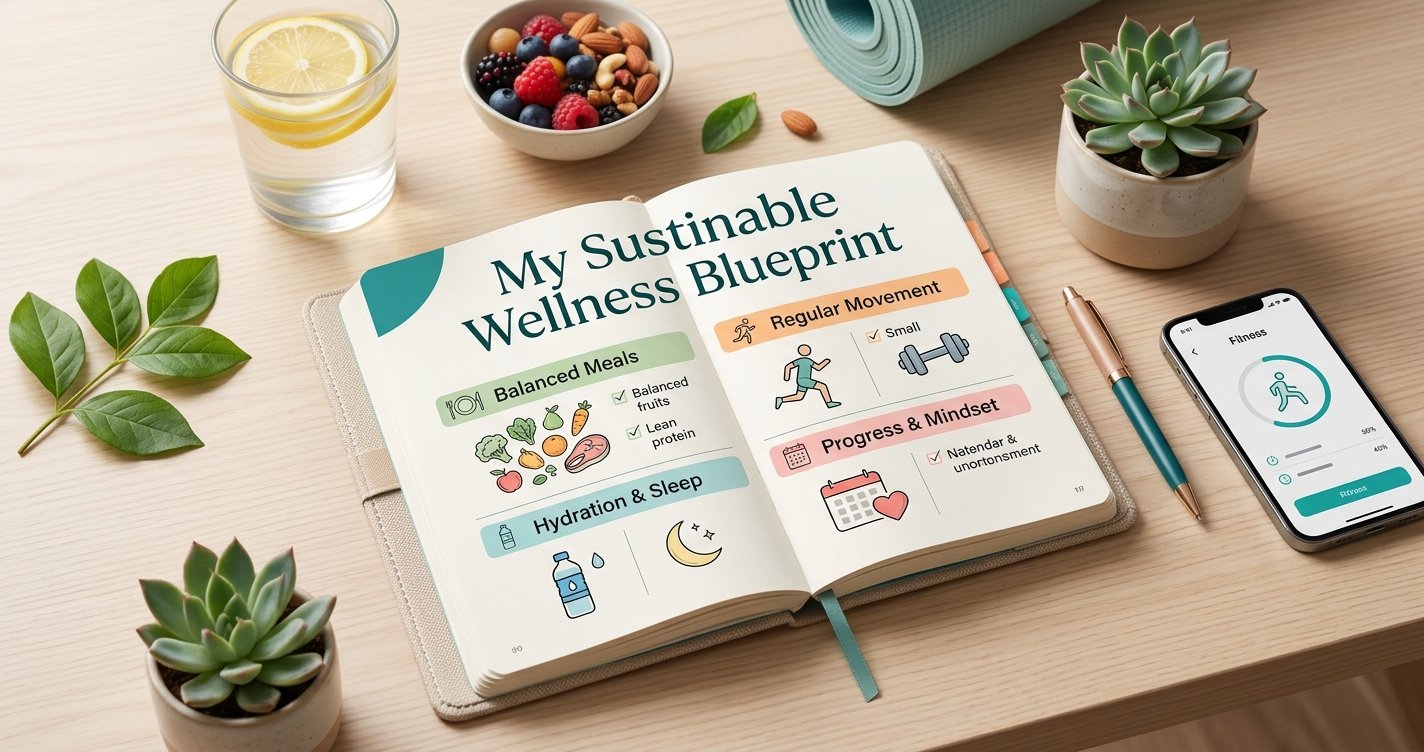
Beyond Crash Diets: Your Sustainable Calorie Deficit Blueprint for Lasting Fat Loss
Are you tired of the endless cycle of restrictive diets, rapid weight loss, and even faster regain? You're not alone. The world of fat loss is often filled with quick fixes and extreme measures that promise the moon but deliver only frustration. But what if there was a simpler, more sustainable path to achieving your fat loss goals and maintaining them for good?
The truth is, lasting fat loss isn't about deprivation; it's about understanding a fundamental principle: the calorie deficit. It sounds technical, but it’s actually your most powerful tool for shedding unwanted fat without sacrificing your sanity or health. In this guide, we'll demystify the calorie deficit, showing you how to build a sustainable approach that works with your body, not against it, leading to real, lasting results. this excellent wellness product
What Exactly is a Calorie Deficit (and Why It Matters)?
At its core, a calorie deficit means consuming fewer calories than your body expends. Think of your body like a car. To move, it needs fuel (calories). If you put in less fuel than it needs to travel a certain distance, it starts tapping into its reserve tank – your stored body fat – for energy. That, in a nutshell, is how fat loss occurs.
Every day, your body burns calories just to stay alive (breathing, pumping blood, thinking), a process known as your Basal Metabolic Rate (BMR). On top of that, you burn calories through physical activity, from walking to intense workouts, and even digesting food. This total amount is your Total Daily Energy Expenditure (TDEE).
The Energy Balance Equation Simplified
- Calories In: The energy you consume from food and drinks.
- Calories Out: The energy your body burns through BMR, activity, and digestion.
When Calories In < Calories Out, you're in a calorie deficit, and your body turns to stored fat for the extra energy it needs. This is the only way to consistently lose fat. No magic pills, no extreme cleanses – just simple energy balance.
How to Calculate Your Starting Calorie Needs (No Guesswork!)
The first step to building a sustainable calorie deficit is knowing your starting point. While perfect accuracy is impossible (and unnecessary), getting a good estimate of your TDEE is crucial.
Basal Metabolic Rate (BMR) and Total Daily Energy Expenditure (TDEE)
You can estimate your BMR using online calculators (like the Mifflin-St Jeor equation) which factor in your age, sex, weight, and height. Once you have your BMR, you'll multiply it by an activity factor to estimate your TDEE. This factor accounts for how active you are on an average day.
Remember: These calculators provide an estimate. Your actual TDEE can vary based on genetics, body composition, and daily activity fluctuations. Use it as a smart starting point, not an unchangeable law.
Finding Your Sweet Spot: The Right Deficit Size
Once you have your estimated TDEE, the goal is to create a moderate deficit. For most people, a deficit of 300-500 calories below your TDEE is ideal for sustainable fat loss. This typically allows for a healthy and manageable loss of 0.5 to 1 pound of fat per week.
- Why not more? Extreme deficits (e.g., 800-1000 calories below TDEE) often lead to muscle loss, nutrient deficiencies, intense hunger, fatigue, and a plummeting metabolism, making adherence nearly impossible and rebound weight gain highly likely.
- Why not less? Too small a deficit might lead to very slow progress, which can be demotivating.
A moderate deficit allows you to eat enough to feel satisfied, maintain energy levels, and preserve muscle mass, all while steadily losing fat.
Practical Strategies for Creating a Sustainable Calorie Deficit
Creating a calorie deficit doesn't mean eating nothing but plain chicken and broccoli. It's about smart choices that keep you full and nourished.
1. Prioritize Protein and Fiber
These two nutrients are your best friends for fat loss:
- Protein: Highly satiating (keeps you feeling full longer), helps preserve muscle mass during a deficit, and has a higher thermic effect (your body burns more calories digesting it). Aim for 0.7-1 gram of protein per pound of body weight.
- Fiber: Found in fruits, vegetables, and whole grains, fiber adds bulk to your meals, slowing digestion and enhancing satiety. It's also vital for gut health.
Examples: Lean meats, poultry, fish, eggs, Greek yogurt, lentils, beans, oats, berries, leafy greens.
2. Smart Carbohydrate Choices
Carbohydrates aren't the enemy! They provide energy for your workouts and daily life. Focus on complex carbohydrates with high fiber content:
- Choose: Whole grains (quinoa, brown rice, whole-wheat bread), fruits, vegetables, legumes.
- Limit: Refined sugars, white bread, sugary drinks, and processed snacks, which offer little nutritional value and can lead to energy crashes.
3. Healthy Fats: Don't Fear Them, Manage Them
Fats are essential for hormone production, nutrient absorption, and overall health. However, they are calorie-dense (9 calories per gram vs. 4 for protein/carbs), so portion control is key.
- Include: Avocados, nuts, seeds, olive oil, fatty fish (salmon).
- Be Mindful: Measure your servings to avoid inadvertently overeating calories.
4. Hydration is Your Secret Weapon
Drinking plenty of water can aid fat loss in several ways:
- Satiety: Sometimes thirst is mistaken for hunger. Drinking water before meals can help you feel fuller.
- Metabolism: Staying hydrated supports optimal metabolic function.
- Energy: Dehydration can lead to fatigue, making you less likely to be active.
5. Mindful Eating and Portion Control
Paying attention to how you eat is just as important as what you eat.
- Eat Slowly: It takes time for your brain to register fullness.
- Listen to Your Body: Eat when you're hungry, stop when you're satisfied, not stuffed.
- Avoid Distractions: Put away your phone and turn off the TV during meals.
- Measure Portions: Especially for calorie-dense foods, measuring helps you stay within your deficit.
6. Incorporate Non-Exercise Activity Thermogenesis (NEAT)
While structured exercise is great, the calories burned from NEAT (everything that isn't sleeping, eating, or planned exercise) can add up significantly.
- Take the stairs instead of the elevator.
- Park further away.
- Walk or bike for short errands.
- Stand more often; consider a standing desk.
7. The Role of Exercise (It's More Than Just Burning Calories)
While you can create a calorie deficit through diet alone, exercise amplifies your efforts and offers immense health benefits.
- Strength Training: Builds and preserves muscle mass, which is metabolically active (burns more calories at rest). This is crucial for maintaining a healthy metabolism during fat loss.
- Cardiovascular Exercise: Burns calories, improves heart health, and boosts mood. Find activities you enjoy to ensure consistency.
Exercise supports your deficit and sculpts your body, but remember that diet is generally the primary driver of fat loss, while exercise is a powerful enhancer.
Tracking Your Progress and Making Adjustments
Sustainable fat loss is a journey, not a race. Regular, non-obsessive tracking helps you stay on course.
Why Tracking Can Be Helpful (But Not Obsessive)
Tools like food logging apps can provide valuable insight into your eating habits and calorie intake. However, don't let tracking become a source of stress or perfectionism. Focus on consistency and learning.
Beyond the scale, consider other metrics:
- Body Measurements: Waist, hips, arms, thighs.
- Progress Photos: Visual changes can be very motivating.
- How Your Clothes Fit: Often the first indicator of progress.
- Energy Levels and Mood: A sustainable deficit should leave you feeling good, not drained.
When to Adjust Your Deficit
Your body adapts. As you lose weight, your TDEE will naturally decrease. If progress stalls for 2-3 weeks, it might be time to make a small adjustment:
- Slightly reduce your calorie intake (e.g., another 100-200 calories).
- Increase your NEAT or exercise slightly.
Avoid drastic cuts; small, incremental changes are the hallmark of sustainability.
Common Pitfalls to Avoid on Your Fat Loss Journey
- Extreme Restriction: Leads to binge eating, nutrient deficiencies, and metabolic slowdown.
- Comparing Yourself to Others: Everyone's journey is unique. Focus on your own progress.
- Unrealistic Expectations: Fat loss takes time. Celebrate small victories and be patient.
- Emotional Eating: Learn to identify hunger cues versus emotional triggers. Find healthy coping mechanisms for stress.
- Neglecting Sleep: Poor sleep can disrupt hormones that regulate hunger and satiety, making fat loss harder. Aim for 7-9 hours per night.
Your Journey to Lasting Fat Loss Starts Here
Embracing a sustainable calorie deficit is about empowering yourself with knowledge and making conscious choices that align with your health and fitness goals. It’s not about perfection, but about consistent effort, patience, and self-compassion.
By prioritizing protein and fiber, making smart food choices, staying hydrated, moving your body, and listening to its signals, you can create a deficit that feels manageable and leads to genuine, lasting fat loss. Ditch the crash diets and start building your sustainable blueprint today – your healthier, happier self will thank you for it!