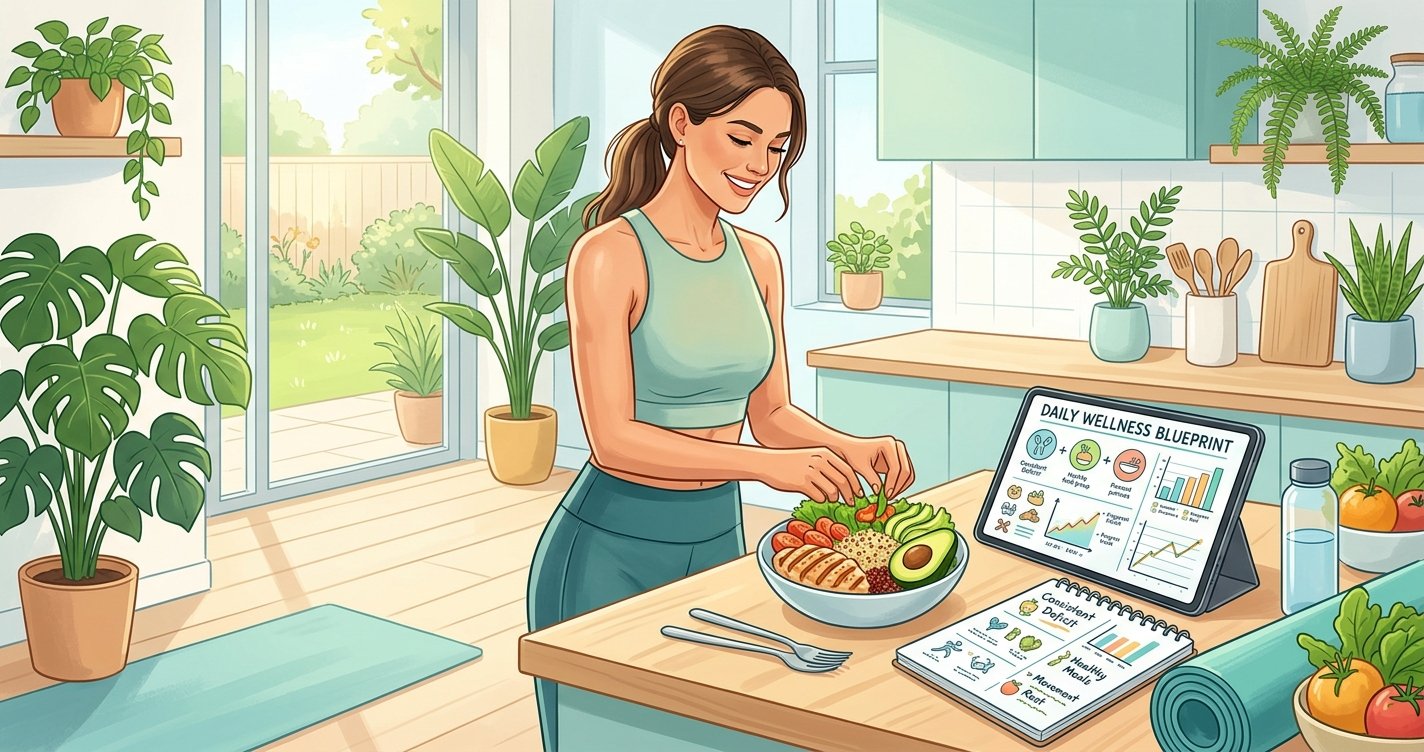
The Sustainable Calorie Deficit: Your Blueprint for Lasting Fat Loss
Tired of the endless cycle of restrictive diets, rapid weight loss, and then, inevitably, gaining it all back? You’re not alone. Many people approach fat loss with an 'all-or-nothing' mentality, only to find it unsustainable. But what if there was a simpler, more effective way to shed those unwanted pounds and keep them off for good? The secret lies in understanding and implementing a sustainable calorie deficit.
This isn't about starvation or deprivation; it's about smart, strategic eating combined with healthy lifestyle habits that you can maintain long-term. In this comprehensive guide, we'll strip away the myths and give you an evidence-based, encouraging roadmap to achieving lasting fat loss without sacrificing your sanity. Get ready to transform your body and your relationship with food! this excellent wellness product
What Exactly is a Calorie Deficit? (And Why It Matters)
At its core, fat loss boils down to a fundamental scientific principle: energy balance. To lose fat, you must consume fewer calories than your body expends. This difference is known as a calorie deficit. Think of your body as a car: if you put less fuel in than it burns, it starts using its reserves – in our case, stored body fat.
Your body is constantly burning calories just to exist (your Basal Metabolic Rate or BMR), plus additional calories through daily activities and exercise (which together make up your Total Daily Energy Expenditure or TDEE). When your calorie intake consistently falls below your TDEE, your body is forced to tap into its fat stores for energy, leading to fat loss. It's not magic; it's metabolism at work. Understanding this basic principle is the first crucial step towards taking control of your fat loss journey.
Finding Your "Sweet Spot": Calculating Your Deficit
The key to a *sustainable* calorie deficit is finding a balance that promotes fat loss without leaving you feeling constantly hungry, deprived, or excessively fatigued. Extreme deficits often lead to muscle loss, nutrient deficiencies, and rebound weight gain. We want to avoid that!
So, how do you find your sweet spot?
- Estimate Your TDEE: Numerous online calculators can help you estimate your TDEE based on your age, gender, weight, height, and activity level. Search for "TDEE calculator" online. Remember, these are estimates, but they provide a great starting point.
- Aim for a Moderate Deficit: For most individuals, a deficit of 300-500 calories per day is ideal for sustainable fat loss. This typically results in a healthy weight loss of 1-2 pounds per week, which is realistic and more likely to be fat rather than muscle or water.
- Track and Adjust: For a week or two, try tracking your food intake using an app (like MyFitnessPal or Cronometer) and monitor your weight. If you're consistently losing 1-2 pounds per week, you've found your sweet spot! If not, adjust your intake by another 100-200 calories until you see consistent progress. Be patient; consistency is more important than speed.
Remember, your body adapts. As you lose weight, your TDEE will naturally decrease, so you may need to recalculate and adjust your deficit over time.
Fueling Your Body Smartly: Nutrition Strategies for a Sustainable Deficit
Achieving a calorie deficit doesn't mean eating less food; it means eating *smarter* food. Focusing on nutrient-dense options can keep you feeling full and satisfied on fewer calories, making the deficit much easier to maintain.
Prioritize Protein
- Why: Protein is king for fat loss! It's highly satiating, meaning it keeps you feeling fuller for longer. It also has a higher thermic effect (your body burns more calories digesting it) and, crucially, helps preserve lean muscle mass during a calorie deficit.
- How: Include a good source of lean protein with every meal. Think chicken breast, turkey, lean beef, fish, eggs, Greek yogurt, cottage cheese, tofu, and legumes.
Embrace Fiber-Rich Foods
- Why: Fiber adds bulk to your meals without adding many calories. It slows digestion, stabilizes blood sugar, and promotes gut health, all contributing to sustained fullness.
- How: Load up on fruits, vegetables (especially leafy greens), whole grains (oats, quinoa, brown rice), and legumes.
Don't Fear Healthy Fats
- Why: While calorie-dense, healthy fats are essential for hormone production, nutrient absorption, and satiety. A moderate amount can prevent cravings and keep you feeling satisfied.
- How: Incorporate sources like avocados, nuts, seeds, olive oil, and fatty fish (salmon) in controlled portions.
Choose Complex Carbohydrates
- Why: Carbohydrates provide energy, but not all carbs are created equal. Complex carbs (whole grains, sweet potatoes, fruits, vegetables) provide sustained energy and fiber, unlike refined carbs (white bread, sugary snacks) which cause blood sugar spikes and crashes, leading to hunger.
- How: Focus on whole, unprocessed carb sources and time your intake around your activity levels.
By making these strategic food choices, you can create a calorie deficit that feels manageable and provides your body with the nutrients it needs to thrive.
Beyond the Plate: The Role of Movement and Lifestyle
While nutrition is paramount, a holistic approach to fat loss includes integrating movement and healthy lifestyle habits. These components not only contribute to your calorie expenditure but also improve overall health, energy levels, and mental well-being, making your journey more enjoyable and sustainable.
Strength Training: Your Metabolism's Best Friend
- Why: Building and maintaining muscle mass is crucial for fat loss. Muscle is metabolically active, meaning it burns more calories at rest than fat tissue. Strength training helps preserve muscle during a deficit, ensuring that the weight you lose is primarily fat.
- How: Aim for 2-3 full-body strength training sessions per week. You can use bodyweight, free weights, or resistance machines.
Cardio: Burn and Boost
- Why: Cardiovascular exercise directly burns calories and improves heart health. It can help you increase your calorie deficit without needing to restrict food intake excessively.
- How: Engage in activities you enjoy – brisk walking, jogging, cycling, swimming, dancing. Aim for at least 150 minutes of moderate-intensity cardio per week.
The Power of NEAT (Non-Exercise Activity Thermogenesis)
- Why: NEAT refers to all the calories you burn from activities that aren't formal exercise – walking, fidgeting, taking the stairs, cleaning. These small movements add up significantly throughout the day.
- How: Look for opportunities to move more: park further away, take the stairs, stand while working, go for short walks during breaks.
Prioritize Sleep
- Why: Poor sleep disrupts hormones that regulate appetite (ghrelin and leptin) and stress (cortisol). This can increase cravings, reduce willpower, and make fat loss much harder.
- How: Aim for 7-9 hours of quality sleep per night. Create a relaxing bedtime routine and ensure your sleep environment is dark, quiet, and cool.
Manage Stress
- Why: Chronic stress elevates cortisol levels, which can promote fat storage, particularly around the midsection.
- How: Incorporate stress-reducing activities like meditation, yoga, deep breathing exercises, spending time in nature, or engaging in hobbies you love.
Stay Hydrated
- Why: Water plays a vital role in metabolism and can help with satiety. Sometimes, thirst is mistaken for hunger.
- How: Drink plenty of water throughout the day. Keep a water bottle handy and sip regularly.
Navigating Challenges and Staying Motivated
The path to sustainable fat loss isn't always linear. You'll encounter plateaus, social pressures, and moments of doubt. Having strategies to navigate these challenges is crucial for long-term success.
Understanding Plateaus
It's normal for weight loss to slow down or stall. Your body adapts! When this happens:
- Re-evaluate: Are you accurately tracking your intake? Has your activity level changed?
- Adjust: Slightly reduce calories (by another 100-200) or increase activity.
- Consider a Diet Break: A 1-2 week period at maintenance calories can help reset hormones, reduce diet fatigue, and boost adherence.
Social Situations and Eating Out
Don't let social events derail your progress:
- Plan Ahead: Look at menus online, choose leaner options, and be mindful of portion sizes.
- Hydrate: Drink water before and during your meal.
- Focus on Protein & Veggies: Fill up on these first.
- Enjoy in Moderation: It's okay to indulge occasionally; just get back on track with your next meal.
Cultivating a Positive Mindset
Your mental game is as important as your physical one:
- Patience & Consistency: Sustainable fat loss is a marathon, not a sprint. Focus on consistent effort over perfection.
- Celebrate Small Wins: Acknowledge non-scale victories like increased energy, better sleep, or clothes fitting better.
- Self-Compassion: Don't beat yourself up over minor slip-ups. Learn from them and move forward.
To Track or Not to Track?
While tracking calories can be incredibly insightful for understanding your intake, it's not for everyone, nor is it always necessary long-term. Consider tracking initially to build awareness, then transition to more intuitive eating as you learn portion sizes and nutrient density. Regularly tracking progress beyond just the scale (measurements, photos, how clothes fit) can also be highly motivating.
The Long Game: Making Fat Loss a Sustainable Lifestyle
Ultimately, sustainable fat loss isn't about following a temporary diet; it's about adopting a lifestyle that supports your health goals indefinitely. Once you reach your target weight, you won't immediately jump back to old habits. Instead, you'll gradually increase your calorie intake back to your new maintenance level, using the healthy eating and exercise principles you've learned.
This means cultivating habits that you genuinely enjoy and that make you feel good. It's about finding a balance where you can maintain your results without feeling constantly restricted. Embrace flexibility, listen to your body, and continue prioritizing nutrient-dense foods, regular movement, quality sleep, and stress management. These are not just tools for fat loss; they are pillars of a healthy, vibrant life.
Conclusion
Achieving lasting fat loss doesn't require extreme measures or magic pills. It requires a smart, evidence-based approach centered around a sustainable calorie deficit. By understanding your body's energy needs, making informed nutritional choices, integrating consistent movement, and prioritizing overall well-being, you can break free from the cycle of yo-yo dieting.
Remember, this is your journey. Be patient, be persistent, and be kind to yourself. You have the knowledge and the power to create a healthier, happier you, not just for a season, but for life. Start today, one sustainable step at a time!