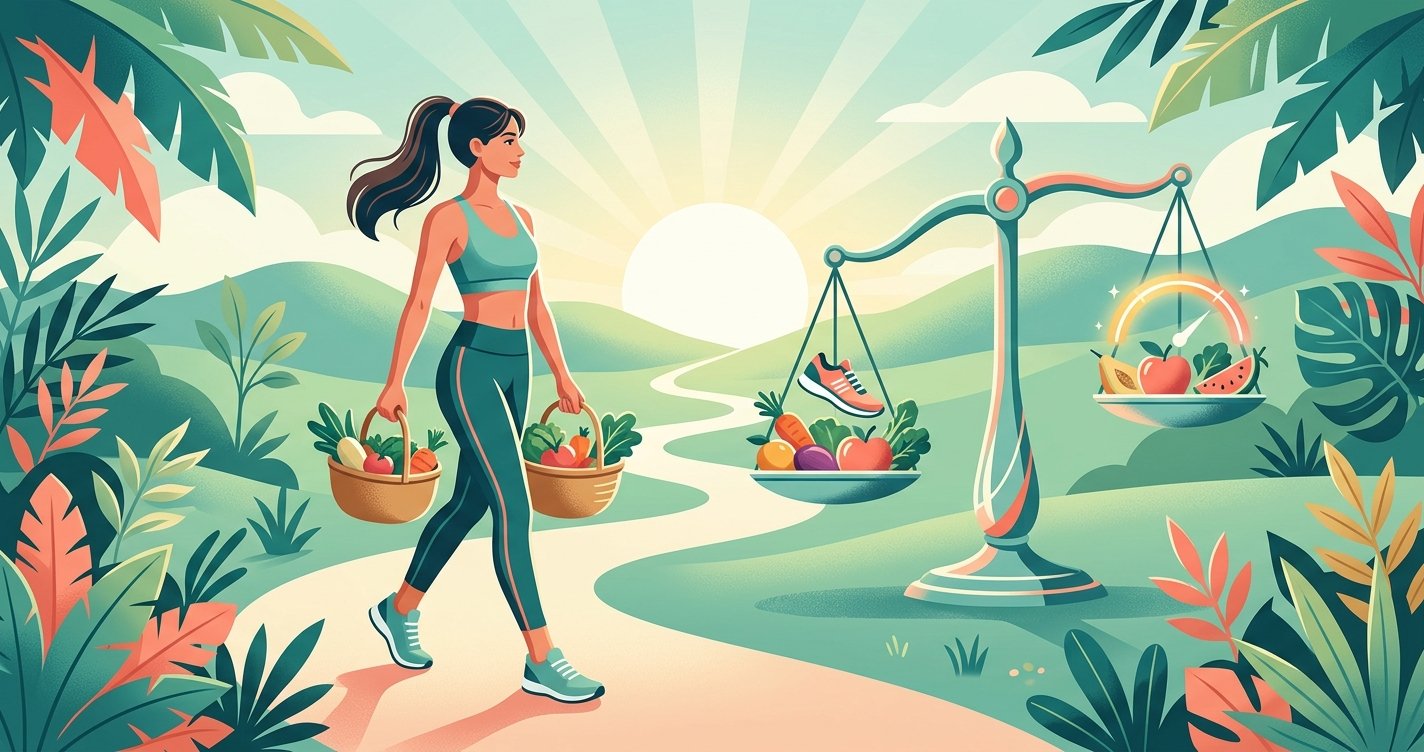
Are you tired of the endless cycle of crash diets, quick fixes, and the frustrating rebound that often follows? You're not alone. Many people embark on a fat loss journey with enthusiasm, only to be derailed by unsustainable methods. But what if there was a foundational principle that, when understood and applied correctly, could unlock lasting fat loss without extreme deprivation? There is, and it's called the calorie deficit.
However, simply hearing "eat less" isn't enough. The true secret lies in creating a sustainable calorie deficit – one that fuels your body, preserves muscle, keeps your metabolism humming, and most importantly, is something you can stick with long-term. This isn't about starvation; it's about smart choices, understanding your body, and building habits that lead to genuine, lasting change. Let's dive into how you can master this powerful concept and achieve your fat loss goals for good. this excellent wellness product
What Exactly is a Calorie Deficit, Anyway?
At its core, a calorie deficit is a simple energy equation: you consume fewer calories than your body burns. Think of your body as a car. If you put less fuel in than the engine uses for driving, idling, and running its systems, it eventually has to tap into its reserves. For your body, those reserves are stored fat.
Your body is constantly burning calories just to exist – this is your Basal Metabolic Rate (BMR). On top of that, you burn calories through physical activity, from walking to intense workouts, and even digesting food. This total amount of calories your body burns in a day is called your Total Daily Energy Expenditure (TDEE). To achieve fat loss, your caloric intake needs to be consistently below your TDEE. It's the fundamental principle, but the nuance is in how you achieve it.
Why "Crash Diets" Fail: The Pitfalls of Extreme Deficits
The temptation to dramatically cut calories for rapid fat loss is strong, but it's a trap. While you might see quick initial weight loss, extreme calorie deficits (often below 1200 calories for women or 1500 for men) are rarely sustainable and come with a host of negative consequences:
- Muscle Loss: Your body might start breaking down muscle for energy, which is counterproductive. Muscle is metabolically active, meaning it burns more calories at rest than fat does. Losing muscle slows your metabolism, making future fat loss harder.
- Metabolic Adaptation: Your body is smart. When it senses extreme deprivation, it adapts by slowing down your metabolism to conserve energy. This makes it incredibly difficult to continue losing weight and sets you up for rapid weight regain once you increase your intake.
- Nutrient Deficiencies: Severely restricting food groups can lead to inadequate intake of essential vitamins and minerals, impacting your energy levels, immune system, and overall health.
- Rebound Weight Gain: Once you stop the restrictive diet (which you inevitably will), your slower metabolism and increased hunger hormones often lead to regaining lost weight, and often more.
- Psychological Toll: Constant hunger, cravings, irritability, and social isolation are common side effects, making the process miserable and unsustainable.
The goal isn't just weight loss; it's fat loss and overall health. A sustainable approach protects your muscle, keeps your metabolism healthy, and fosters a positive relationship with food.
Building Your Sustainable Calorie Deficit: A Step-by-Step Guide
Creating a sustainable calorie deficit is a personalized process. Here's how to approach it smartly:
Step 1: Estimate Your TDEE (Total Daily Energy Expenditure)
This is your starting point. You can use online TDEE calculators (easily found with a quick search) that take into account your age, gender, weight, height, and activity level. These calculators provide an estimate of how many calories your body burns daily. Remember, it's an estimate, and individual metabolic rates can vary.
Step 2: Determine Your Deficit Sweet Spot
Once you have your estimated TDEE, subtract a moderate number of calories to create your deficit. For healthy, sustainable fat loss, aiming for a deficit of 300-500 calories below your TDEE is generally recommended. This typically leads to a fat loss of 0.5 to 1 pound per week.
- Why this range? It's enough to stimulate fat loss without triggering the negative metabolic adaptations and extreme hunger associated with crash diets. It allows you to still consume adequate nutrients and energy for daily activities and workouts.
- Example: If your TDEE is 2,500 calories, aiming for 2,000-2,200 calories per day would put you in a sustainable deficit.
Step 3: Track Your Intake (Initially, at Least)
To ensure you're actually hitting your target, tracking your food intake for a few weeks can be incredibly insightful. Apps like MyFitnessPal or Chronometer make this easy. This isn't about lifelong obsession, but about building awareness:
- Portion Control: You'll quickly learn what a serving size actually looks like.
- Hidden Calories: You might be surprised by the calorie content of certain foods, especially sauces, oils, and snacks.
- Nutrient Balance: Tracking helps you see your macronutrient (protein, carbs, fats) distribution and identify areas for improvement.
After a few weeks, you'll likely develop an intuitive understanding of your food intake and may not need to track as strictly.
Fueling Your Body Smartly: Nutrition Strategies for Fat Loss
A calorie deficit doesn't mean eating less food; it means eating smarter food. Prioritizing nutrient-dense options will help you feel full and satisfied on fewer calories.
Prioritize Protein
Protein is your best friend for fat loss. It's highly satiating, meaning it keeps you feeling fuller for longer, which reduces overall calorie intake. Furthermore, protein helps preserve muscle mass during a calorie deficit and has a higher thermic effect (meaning your body burns more calories digesting it) than carbs or fats. Aim for lean protein sources like chicken breast, fish, lean beef, eggs, Greek yogurt, and legumes.
Embrace Fiber-Rich Carbohydrates
Don't cut out carbs entirely! Focus on complex, fiber-rich carbohydrates like whole grains (oats, quinoa, brown rice), fruits, and a rainbow of vegetables. Fiber adds bulk to your meals, promoting fullness and aiding digestion, all while providing essential vitamins and minerals without excessive calories.
Don't Fear Healthy Fats (in Moderation)
Fats are essential for hormone production, nutrient absorption, and satiety. Include healthy fats from sources like avocados, nuts, seeds, and olive oil. However, remember that fats are calorie-dense, so portion control is key even with healthy options.
Hydration is Key
Often overlooked, adequate water intake plays a crucial role. Drinking water can help you feel full, especially before meals, and is vital for all metabolic processes. Sometimes, what feels like hunger is actually thirst.
Beyond the Plate: Movement and Mindset for Long-Term Success
While nutrition is paramount, a holistic approach to fat loss includes regular physical activity and a positive mindset.
Incorporate Strength Training
Building and maintaining muscle mass is incredibly beneficial for fat loss. Muscle burns more calories at rest than fat, so the more muscle you have, the higher your resting metabolic rate. Strength training also helps improve body composition, leading to a leaner, more toned physique even if the scale doesn't move dramatically.
Add Consistent Cardio
Cardiovascular exercise directly burns calories, contributing to your calorie deficit. It also improves heart health, endurance, and can be a great stress reliever. Find activities you enjoy, whether it's brisk walking, jogging, cycling, swimming, or dancing, and aim for consistency.
Master Mindful Eating
Slow down. Pay attention to your food – its taste, texture, and smell. Listen to your body's hunger and fullness cues. Eating mindfully can prevent overeating, help you truly enjoy your meals, and reduce the likelihood of emotional eating. Put away distractions like your phone or TV during meals.
Prioritize Sleep and Stress Management
These lifestyle factors have a profound impact on your ability to lose fat. Lack of sleep disrupts hormones like ghrelin (hunger hormone) and leptin (satiety hormone), leading to increased appetite and cravings for unhealthy foods. Chronic stress elevates cortisol, which can promote fat storage, especially around the belly. Aim for 7-9 hours of quality sleep and find healthy ways to manage stress, such as meditation, yoga, or spending time in nature.
Common Pitfalls and How to Overcome Them
- Plateaus: Fat loss isn't linear. If the scale stops moving, re-evaluate your TDEE (as your body weight decreases, your TDEE will slightly decrease too), adjust your calorie deficit, or increase your activity level (especially NEAT – Non-Exercise Activity Thermogenesis, like walking more).
- Social Eating: Don't let social events derail your progress. Plan ahead, make smart choices (e.g., opting for lean protein and veggies), and allow for occasional treats without guilt. Remember, consistency over perfection.
- Emotional Eating: Identify your triggers. Are you eating when bored, stressed, or sad? Find non-food coping mechanisms like going for a walk, calling a friend, or engaging in a hobby.
- All-or-Nothing Mentality: A slip-up doesn't mean you've failed. Acknowledge it, learn from it, and get back on track with your next meal or workout. Progress, not perfection, is the goal.
Your Journey to Lasting Fat Loss Starts Now
Mastering the sustainable calorie deficit is the most powerful tool you have for lasting fat loss. It's not about quick fixes or extreme deprivation, but about understanding your body's energy needs, making smart nutritional choices, staying active, and nurturing your mental well-being. It's a journey, not a race. Be patient, be consistent, and be kind to yourself.
Start by calculating your estimated TDEE, creating a modest deficit, and focusing on nutrient-dense foods. Incorporate strength training and consistent movement, prioritize sleep, and practice mindful eating. With these evidence-based strategies, you're not just losing weight; you're building a healthier, stronger, and more vibrant you for the long run. You've got this!