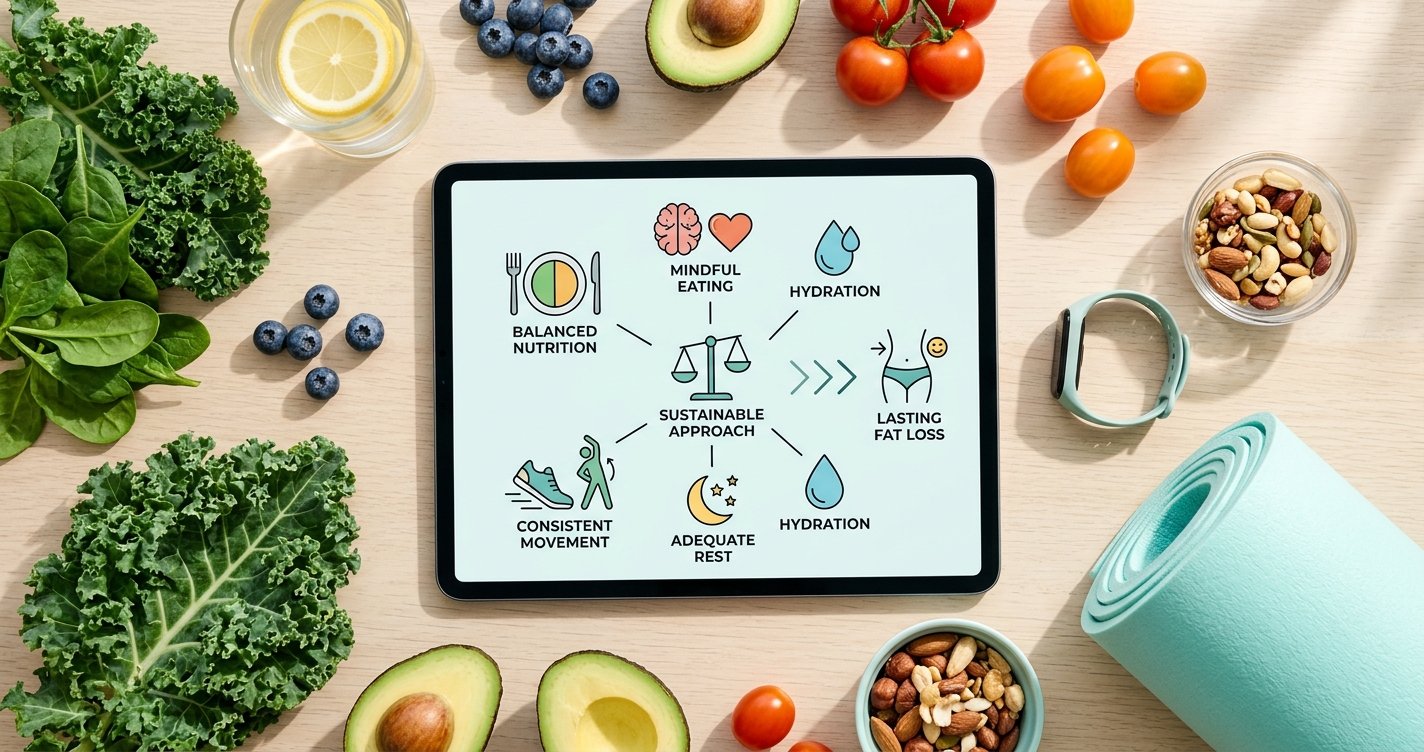
Are you tired of the endless cycle of crash diets and quick fixes that promise rapid fat loss, only to leave you feeling defeated and heavier than before? You’re not alone. The world of fat loss is often clouded with misinformation and unrealistic expectations. But what if there was a fundamental principle, backed by science, that could unlock truly sustainable and healthy fat loss? There is, and it’s called the calorie deficit. It's not a fad; it's physics. And when approached correctly, it becomes your most powerful tool for achieving and maintaining your desired physique, without sacrificing your health or sanity. Let’s dive into how you can make the calorie deficit work for you, sustainably and effectively.
Understanding the Calorie Deficit: The Golden Rule of Fat Loss
At its core, fat loss boils down to a simple energy balance equation: you must consume fewer calories than your body burns. This state is known as a calorie deficit. Think of calories as units of energy your body gets from food and drink. Your body constantly burns these calories for everything from breathing and circulating blood (your Basal Metabolic Rate or BMR) to digesting food (Thermic Effect of Food or TEF) and all your daily activities and exercise (Non-Exercise Activity Thermogenesis or NEAT, and Exercise Activity Thermogenesis or EAT). The sum of these is your Total Daily Energy Expenditure (TDEE). this excellent wellness product
When you consistently eat fewer calories than your TDEE, your body has a choice: it needs energy. Since it's not getting enough from food, it turns to its stored energy reserves – primarily fat. This process is how you lose fat. It’s not about magical foods or restrictive cleanses; it’s about creating an energy gap that your body fills by tapping into its fat stores. Understanding this fundamental principle is the first, most crucial step on your fat loss journey.
Why Sustainability Trumps Speed: Avoiding the Yo-Yo Trap
While creating a calorie deficit is essential, how you create it is paramount. Many people fall into the trap of extreme calorie restriction, aiming for rapid weight loss. While this might show quick results on the scale initially, it’s often unsustainable and counterproductive in the long run.
Extreme deficits can lead to:
- Muscle Loss: Your body might start breaking down muscle for energy, which is detrimental to your metabolism and overall strength.
- Metabolic Adaptation: Your metabolism can slow down as your body tries to conserve energy, making further fat loss harder.
- Nutrient Deficiencies: Restricting too much can mean you miss out on vital vitamins and minerals.
- Intense Hunger & Cravings: Leading to feelings of deprivation and an increased likelihood of binge eating.
- Yo-Yo Effect: The inevitable rebound weight gain, often exceeding the initial loss, once the restrictive diet ends.
The key to successful, lasting fat loss is a moderate, sustainable calorie deficit. Aim for a deficit of 250-500 calories per day. This allows for a steady loss of 0.5 to 1 pound of fat per week, which is considered healthy and achievable. This slower, consistent approach helps preserve muscle mass, keeps your metabolism humming, ensures adequate nutrient intake, and most importantly, is a strategy you can stick with long-term without feeling deprived.
Crafting Your Calorie Deficit: Practical Dietary Strategies
Know Your Numbers (Roughly)
To create a deficit, you first need an idea of your TDEE. Online TDEE calculators can provide a useful starting estimate based on your age, sex, weight, height, and activity level. Remember, these are estimates, and your actual TDEE might vary. A good strategy is to track your current food intake for a few days without changing anything. If your weight is stable, that's roughly your maintenance intake. From there, you can subtract 250-500 calories to create your target deficit.
Prioritize Nutrient-Dense Foods
Not all calories are created equal when it comes to satiety and nutrition. To make your calorie deficit feel less like a struggle, focus on foods that offer a high nutrient-to-calorie ratio:
- Lean Protein: Chicken breast, fish, eggs, tofu, legumes, Greek yogurt. Protein is incredibly satiating, helps preserve muscle mass during fat loss, and has a higher thermic effect (meaning your body burns more calories digesting it).
- Fiber-Rich Vegetables: Broccoli, spinach, kale, bell peppers, carrots. Vegetables are low in calories but high in volume and fiber, filling you up without adding many calories.
- Whole Grains: Oats, quinoa, brown rice, whole-wheat bread. These provide sustained energy and fiber, helping to control blood sugar and hunger.
- Healthy Fats: Avocados, nuts, seeds, olive oil. While calorie-dense, healthy fats are crucial for hormone production, nutrient absorption, and satiety. Use them in moderation.
By choosing these foods, you'll feel fuller for longer, get essential nutrients, and naturally reduce your overall calorie intake without feeling deprived.
Smart Swaps and Portion Control
Small changes can lead to big results. Instead of drastic cuts, look for smart swaps:
- Swap sugary drinks (soda, sweetened coffee) for water, unsweetened tea, or sparkling water with a squeeze of lemon.
- Choose baked or grilled options over fried.
- Opt for fruit instead of processed desserts.
Portion control is also vital. Even healthy foods can contribute to a calorie surplus if eaten in excess. Use measuring cups, a food scale, or simply learn to eyeball appropriate portions. Mindful eating, paying attention to your body's hunger and fullness cues, can also be a game-changer.
Hydration is Key
Drinking enough water is often overlooked but plays a significant role in fat loss. Water can help you feel fuller, potentially reducing overall calorie intake. It's also essential for metabolic processes and helps your body function optimally.
Beyond the Plate: The Supporting Role of Movement and Lifestyle
While diet is the primary driver of a calorie deficit, exercise and healthy lifestyle habits are powerful allies that enhance your fat loss journey and overall well-being.
Exercise: Burn More, Feel Better
Exercise contributes to your TDEE, meaning you burn more calories throughout the day. This makes it easier to achieve your calorie deficit or allows you to eat slightly more while still losing fat. A balanced exercise routine for fat loss should include:
- Strength Training: Lifting weights or bodyweight exercises helps build and preserve muscle mass. More muscle means a higher resting metabolism, burning more calories even at rest. Aim for 2-4 sessions per week.
- Cardiovascular Exercise: Activities like brisk walking, jogging, cycling, or swimming burn calories and improve cardiovascular health. Aim for 150-300 minutes of moderate-intensity cardio per week.
Remember, you can't out-exercise a bad diet, but combining smart eating with consistent movement is the winning formula for sustainable fat loss.
The Power of Sleep
Poor sleep can sabotage your fat loss efforts significantly. Lack of sleep disrupts hormones that regulate hunger and satiety: ghrelin (the hunger hormone) increases, while leptin (the satiety hormone) decreases. This can lead to increased cravings for high-calorie foods and reduced willpower. Aim for 7-9 hours of quality sleep per night to support your body's natural fat-burning and recovery processes.
Managing Stress for Fat Loss
Chronic stress triggers the release of cortisol, a hormone that, in excess, can promote fat storage, particularly around the abdominal area. Stress can also lead to emotional eating, where food is used as a coping mechanism rather than for fuel. Incorporate stress-reduction techniques into your daily routine, such as meditation, yoga, spending time in nature, or hobbies you enjoy.
Mindful Eating Practices
Beyond what you eat, how you eat matters. Practice mindful eating by slowing down, savoring your food, and paying attention to your body's hunger and fullness signals. Avoid eating in front of screens, which can lead to overconsumption. This practice helps you truly enjoy your meals and build a healthier relationship with food.
Common Pitfalls and How to Navigate Them
- Overtraining/Under-recovering: More isn't always better. Pushing your body too hard without adequate rest can lead to injury, burnout, and increased cortisol levels, hindering fat loss.
- Under-eating Too Much: As discussed, extreme deficits are unsustainable and counterproductive. Aim for moderate, consistent progress.
- Obsessive Tracking: While tracking can be a useful tool, becoming overly obsessive can lead to a negative relationship with food. Use it as a guide, not a dictator, and take breaks from tracking when needed.
- Ignoring Non-Scale Victories: The scale doesn't tell the whole story. Celebrate improved energy levels, better sleep, clothes fitting better, increased strength, and mental clarity.
- Expecting Linear Progress: Fat loss is rarely a straight line. Plateaus are normal. Be patient, consistent, and adjust your strategy if progress stalls for an extended period.
- Comparing Yourself to Others: Everyone's body is different. Focus on your own journey and progress, not someone else's highlight reel.
Making It Stick: Your Long-Term Fat Loss Journey
Remember, sustainable fat loss isn't a race; it's a journey towards a healthier lifestyle. The goal isn't just to reach a certain number on the scale, but to build habits that support your well-being for years to come. Consistency, patience, and self-compassion are your most valuable assets.
Listen to your body, make adjustments as needed, and be kind to yourself on days when things don't go perfectly. Celebrate every small victory, learn from setbacks, and keep moving forward. This is about building a foundation for lifelong health, not just a temporary fix.
Conclusion
The calorie deficit is the undeniable scientific principle behind fat loss. But true success comes from approaching it with a focus on sustainability, not just speed. By understanding your body's energy needs, prioritizing nutrient-dense foods, incorporating smart exercise, and optimizing your lifestyle factors like sleep and stress, you create a powerful, holistic blueprint for lasting fat loss. This isn't about deprivation; it's about empowerment – empowering yourself with knowledge and habits that will serve you for a lifetime. Embrace the journey, trust the process, and take control of your health with a sustainable calorie deficit.