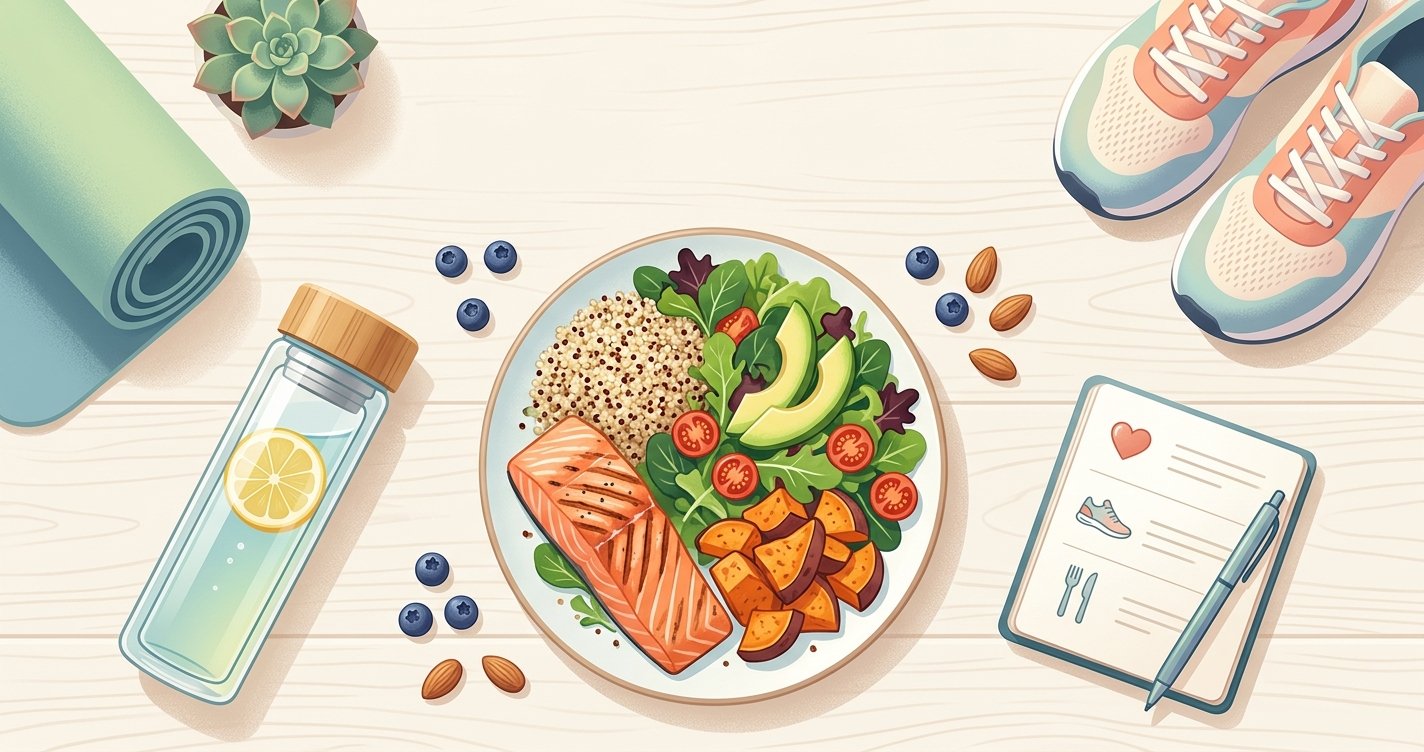
Sustainable Calorie Deficit: Your Blueprint for Lasting Fat Loss
Embarking on a fat loss journey can feel overwhelming, with countless diets and conflicting advice swirling around. But what if we told you there's a simple, scientifically-backed principle at the heart of all successful fat loss? It's called the calorie deficit, and mastering it sustainably is your ultimate blueprint for not just losing weight, but keeping it off for good. Forget extreme restrictions and quick fixes; we're talking about a friendly, evidence-based approach that nourishes your body while helping you achieve your goals.
In this comprehensive guide, we'll demystify the calorie deficit, teach you how to implement it smartly, and reveal the lifestyle habits that will amplify your results. Get ready to transform your understanding of fat loss and build a healthier, happier you! this excellent wellness product
The Core Principle: Understanding the Calorie Deficit
At its heart, fat loss boils down to a fundamental concept known as energy balance. Think of your body like a car: it needs fuel (calories from food) to run. If you put more fuel in than you burn, the excess is stored, often as fat. Conversely, if you consistently provide less fuel than your body needs to perform its daily functions and activities, your body will start tapping into its stored energy reserves – your body fat – to make up the difference. This state is what we call a calorie deficit.
It's not about starving yourself; it's about smart energy management. A sustainable calorie deficit means creating a slight, manageable shortfall in calories, prompting your body to use stored fat for energy without compromising your health or well-being. This gentle, consistent approach is key to achieving lasting results without the dreaded rebound effect often associated with crash diets.
Calculating Your Calorie Needs (No Guesswork!)
To create an effective calorie deficit, you first need to understand your body's energy demands. This involves two key numbers:
- Basal Metabolic Rate (BMR): This is the number of calories your body burns at rest to maintain basic life functions (breathing, circulation, organ function).
- Total Daily Energy Expenditure (TDEE): This is your BMR plus the calories you burn through all daily activities, including exercise, work, and even fidgeting.
While precise measurements require lab tests, you can get a very good estimate using online TDEE calculators. You'll typically input your age, sex, height, weight, and activity level. Once you have your TDEE, you can create your deficit. For sustainable fat loss, a common recommendation is to aim for a deficit of 300-500 calories below your TDEE. This generally leads to a healthy and manageable fat loss of 1-2 pounds per week, which is considered safe and maintainable.
For example, if your TDEE is 2500 calories, aiming for 2000-2200 calories per day would put you in a comfortable deficit.
Fueling Your Body Smartly: What to Eat for Sustainable Fat Loss
Creating a calorie deficit isn't just about eating less; it's about eating smarter. Focusing on nutrient-dense foods will keep you feeling full, energized, and satisfied, making adherence to your deficit much easier.
Protein Power: Your Satiety Secret Weapon
Protein is arguably the most important macronutrient for fat loss. It helps you feel fuller for longer, reduces cravings, and has a higher thermic effect (meaning your body burns more calories digesting it). Crucially, adequate protein intake helps preserve lean muscle mass during a calorie deficit, which is vital for maintaining a healthy metabolism.
- Sources: Lean meats (chicken, turkey), fish (salmon, cod), eggs, Greek yogurt, cottage cheese, legumes (beans, lentils), tofu, tempeh, protein powder.
Fiber-Rich Foods: The Unsung Hero
Fiber adds bulk to your meals without adding many calories, promoting satiety and aiding digestion. It also helps stabilize blood sugar levels, preventing energy crashes and subsequent cravings.
- Sources: All vegetables (especially leafy greens, broccoli, Brussels sprouts), fruits (berries, apples, pears), whole grains (oats, quinoa, brown rice), chia seeds, flax seeds, beans, lentils.
Healthy Fats: Don't Fear Them!
While high in calories, healthy fats are essential for hormone production, nutrient absorption, and long-term satiety. They also add flavor and satisfaction to your meals. Moderation is key here.
- Sources: Avocados, nuts (almonds, walnuts), seeds (chia, flax, pumpkin), olive oil, fatty fish (salmon, mackerel).
Smart Carb Choices: Energy Without the Crash
Carbohydrates are your body's primary energy source. The key is to choose complex, unprocessed carbohydrates over refined sugars and simple carbs, which can cause blood sugar spikes and subsequent crashes.
- Sources: Whole grains (oats, whole-wheat bread/pasta, quinoa), sweet potatoes, brown rice, fruits, and vegetables.
Beyond the Plate: Lifestyle Habits That Amplify Fat Loss
Fat loss isn't just about what you eat; it's a holistic process influenced by your entire lifestyle. Integrating these habits will significantly boost your efforts and overall well-being.
The Magic of Movement: More Than Just Burning Calories
Exercise plays a crucial role beyond simply burning calories. Strength training, in particular, is invaluable for preserving and building muscle mass, which is metabolically active and helps maintain a higher BMR. Cardiovascular exercise improves heart health and provides additional calorie burn. Even increasing your daily non-exercise activity (NEAT) – like taking the stairs or walking more – adds up!
- Aim for 3-4 strength training sessions per week.
- Incorporate 150-300 minutes of moderate-intensity cardio weekly.
- Walk more! A step goal (e.g., 8,000-10,000 steps) can make a big difference.
Sleep: Your Body's Fat-Burning Architect
Poor sleep disrupts hormones that regulate hunger (ghrelin) and satiety (leptin), making you hungrier and more prone to cravings for unhealthy foods. It also increases cortisol, a stress hormone linked to belly fat storage. Prioritizing 7-9 hours of quality sleep per night is non-negotiable for effective fat loss.
- Create a consistent sleep schedule.
- Optimize your bedroom for darkness, quiet, and cool temperatures.
- Limit screen time before bed.
Stress Management: The Hidden Saboteur
Chronic stress elevates cortisol levels, which can promote fat storage, especially around the abdomen. Finding healthy ways to manage stress is crucial for both your mental health and your waistline.
- Practice mindfulness or meditation.
- Engage in hobbies you enjoy.
- Spend time in nature.
- Consider talking to a therapist if stress feels overwhelming.
Practical Strategies for Sticking to Your Deficit
Consistency is the secret ingredient. These practical tips will help you navigate your calorie deficit with ease and make it a sustainable part of your life.
- Meal Prepping and Planning: Dedicate time each week to plan your meals and prepare healthy snacks. This prevents impulsive, unhealthy food choices when hunger strikes.
- Portion Control: Learn what a proper portion size looks like. Use measuring cups and a food scale initially to calibrate your eye, especially for calorie-dense foods.
- Mindful Eating: Slow down, savor your food, and pay attention to your body's hunger and fullness cues. Eating mindfully can help you recognize when you've had enough.
- Hydration: Drink plenty of water throughout the day. Sometimes, what feels like hunger is actually thirst. Water also aids metabolism and can help you feel fuller.
- Smart Snacking: Choose protein and fiber-rich snacks like Greek yogurt, a handful of nuts, or vegetables with hummus to bridge the gap between meals without breaking your deficit.
- Track Your Intake (Initially): Using a food tracking app for a few weeks can provide invaluable insight into your eating habits, helping you identify hidden calories and understand portion sizes. It’s a tool for awareness, not necessarily a lifelong commitment.
Common Pitfalls and How to Avoid Them
The path to fat loss isn't always linear, and setbacks are normal. Knowing common mistakes can help you navigate around them.
- Extreme Deficits: Cutting too many calories too quickly can lead to muscle loss, nutrient deficiencies, fatigue, and can slow your metabolism. It's also unsustainable and often leads to rebound weight gain.
- Neglecting Micronutrients: Focusing solely on calories can lead to ignoring essential vitamins and minerals. Prioritize whole, unprocessed foods to ensure you're getting vital nutrients.
- Fad Diets and Quick Fixes: These diets often promise rapid results but are rarely sustainable and can be detrimental to your long-term health and relationship with food. Focus on creating healthy habits instead.
- Impatience: Sustainable fat loss takes time. Celebrate small victories, focus on consistency, and remember that progress isn't always reflected solely on the scale.
- All-or-Nothing Mentality: One "bad" meal or missed workout doesn't derail your entire journey. Acknowledge it, learn from it, and get back on track with your next meal or workout.
Your Journey to a Healthier You
Achieving sustainable fat loss isn't about perfection; it's about consistency, patience, and a deep understanding of your body. By mastering the calorie deficit through smart food choices and integrating positive lifestyle habits, you're not just losing weight – you're building a foundation for lifelong health and well-being. Embrace this journey with kindness to yourself, celebrate every step forward, and remember that true success lies in creating habits you can maintain, not just for a season, but for life. You've got this!