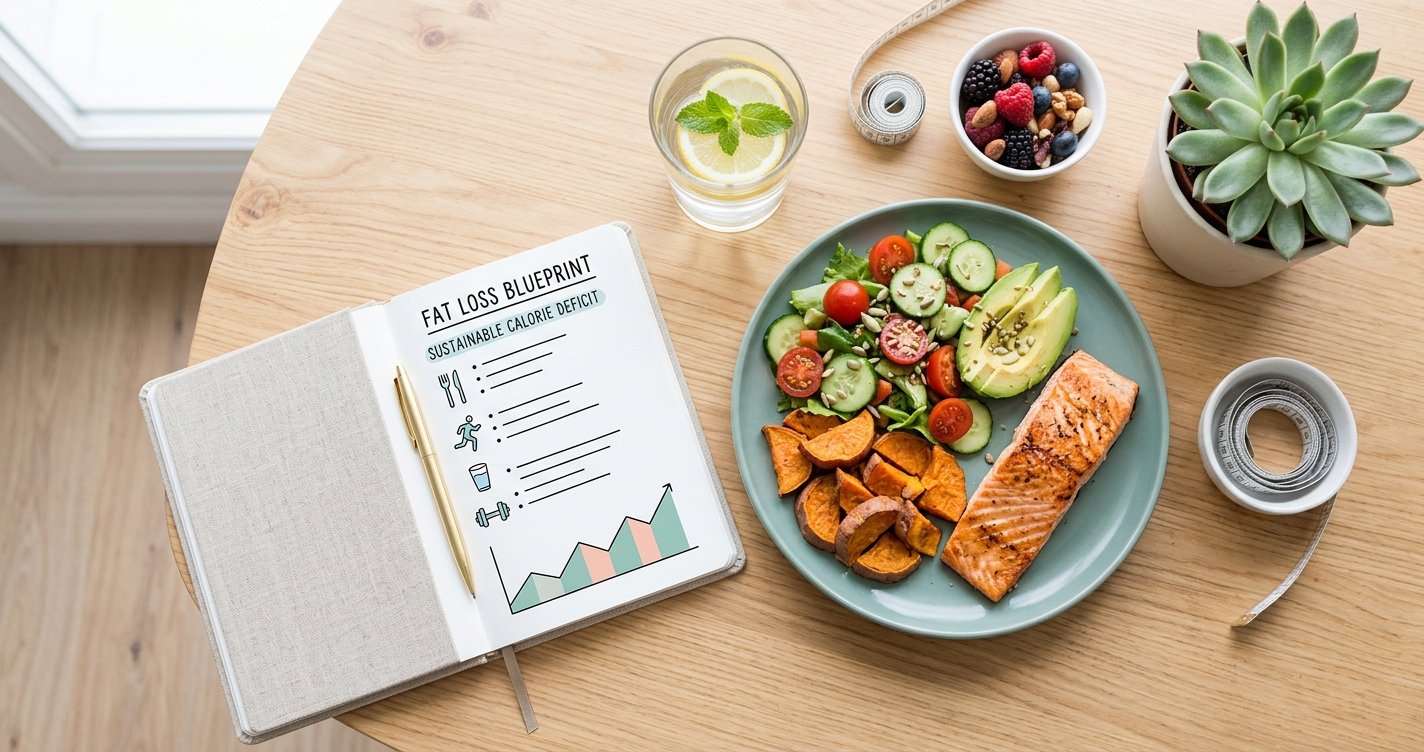
Are you tired of crash diets that promise rapid results only to leave you feeling deprived, frustrated, and right back where you started? You’re not alone. The world of fat loss is often muddled with quick fixes and extreme measures that are unsustainable and, frankly, unhealthy. But what if there was a foundational principle, backed by science, that could guide you towards lasting fat loss without resorting to drastic measures?
Enter the sustainable calorie deficit. This isn't just another diet trend; it's the bedrock of all successful fat loss, a simple yet powerful concept that, when understood and applied correctly, can transform your body and your relationship with food. Forget the fads. In this comprehensive guide, we'll demystify the calorie deficit, show you how to implement it intelligently, and build a blueprint for achieving your fat loss goals in a way that truly lasts. this excellent wellness product
What Exactly is a Calorie Deficit (and Why Does it Matter)?
At its core, a calorie deficit is simple: it means consuming fewer calories than your body expends. Think of your body as a car and calories as fuel. If you put less fuel in than the car uses to drive, eventually, it will start to draw on its reserves. For your body, those reserves are stored fat.
Every day, your body burns a certain amount of calories just to keep you alive (this is your Basal Metabolic Rate or BMR), plus additional calories for digestion, daily activities, and exercise. This total is your Total Daily Energy Expenditure (TDEE). When your calorie intake (calories in) is consistently lower than your TDEE (calories out), your body is forced to tap into its stored energy, primarily body fat, to make up the difference. This is the only physiological way to lose body fat.
Understanding this fundamental truth liberates you from the endless cycle of restrictive diets that often demonize certain food groups. It’s not about cutting out carbs or fats entirely; it’s about managing your overall energy balance. When you create a deficit in a smart, sustainable way, you allow your body to gradually and effectively shed excess fat without compromising your health or sanity.
Finding Your "Sweet Spot": Calculating Your Ideal Calorie Deficit
The key to a sustainable calorie deficit is finding your "sweet spot" – a deficit that's significant enough to promote fat loss but not so aggressive that it leaves you feeling constantly hungry, fatigued, or deprived. Going too low can slow your metabolism, lead to muscle loss, and make adherence virtually impossible.
To find your ideal deficit, you first need an estimate of your TDEE. Many reliable online calculators can help with this. You'll typically input your age, gender, height, weight, and activity level. Remember, these are estimates, but they provide an excellent starting point.
Once you have your estimated TDEE, the general recommendation for a sustainable fat loss deficit is to subtract 300-500 calories. For example, if your TDEE is 2500 calories, aiming for an intake of 2000-2200 calories per day would put you in a healthy, sustainable deficit. This typically results in a fat loss rate of 1-2 pounds per week, which is considered safe and effective by health professionals.
- Start with a moderate deficit: Don't try to cut too many calories at once. A smaller, manageable deficit is easier to stick to long-term.
- Listen to your body: If you're constantly ravenous, fatigued, or experiencing significant negative side effects, your deficit might be too aggressive.
- Adjust as you go: Your TDEE changes as you lose weight. You may need to recalculate and adjust your intake periodically.
Fueling Your Body Smartly: Nutrition Strategies for a Sustainable Deficit
Creating a calorie deficit is one thing; doing it while feeling satisfied and nourished is another. The quality of your calories matters immensely when you're trying to lose fat sustainably. Focusing on nutrient-dense foods will help you stay full, preserve muscle mass, and support your overall health.
Prioritize Protein
Protein is your best friend during a fat loss phase. It’s incredibly satiating, meaning it keeps you feeling full for longer, reducing the likelihood of overeating. Moreover, adequate protein intake is crucial for preserving lean muscle mass while you're in a deficit. Muscle is metabolically active, so maintaining it helps keep your metabolism running efficiently.
- Aim for: 0.7-1 gram of protein per pound of body weight.
- Excellent sources: Lean meats (chicken breast, turkey, lean beef), fish, eggs, dairy (Greek yogurt, cottage cheese), legumes (lentils, beans), tofu, tempeh, protein powder.
Embrace Fiber-Rich Carbohydrates
Don't be afraid of carbohydrates! The right kind of carbs, specifically those rich in fiber, are vital for sustained energy, digestive health, and satiety. Fiber adds bulk to your meals without adding many calories, helping you feel fuller on less.
- Focus on: Whole grains (oats, quinoa, brown rice, whole-wheat bread), fruits, vegetables, legumes.
- Limit: Highly processed carbs like sugary drinks, pastries, and white bread, which offer little nutritional value and can spike blood sugar.
Don't Fear Healthy Fats
While fats are calorie-dense, healthy fats are essential for hormone production, nutrient absorption, and keeping you feeling satisfied. Including moderate amounts of healthy fats in your diet can prevent cravings and support overall well-being.
- Choose: Avocados, nuts, seeds, olive oil, fatty fish (salmon, mackerel).
- Practice moderation: Even healthy fats add up quickly, so be mindful of portion sizes.
Hydration is Key
Often overlooked, adequate water intake plays a significant role in fat loss. Water can help you feel fuller, boost your metabolism slightly, and is essential for countless bodily functions. Sometimes, what feels like hunger is actually thirst.
- Drink up: Aim for 8-10 glasses of water per day, and more if you’re exercising or it’s hot.
- Try: Drinking a glass of water before meals to help manage appetite.
Beyond the Plate: Lifestyle Factors Supporting Your Deficit
While nutrition forms the backbone of a calorie deficit, several lifestyle factors significantly impact your success and overall well-being during your fat loss journey.
Move Your Body (Smartly!)
Exercise isn't just about burning calories; it's about building a stronger, healthier body. While you can't out-train a bad diet, strategic movement can enhance your calorie deficit and improve body composition.
- Prioritize Strength Training: Lifting weights helps build and maintain muscle mass, which is crucial for a healthy metabolism and a toned physique.
- Incorporate Cardio: Activities like walking, jogging, cycling, or swimming are great for cardiovascular health and can contribute to your daily calorie expenditure.
- Stay Active Throughout the Day: Little movements add up! Take the stairs, walk during phone calls, or stand more often.
The Power of Sleep
Sleep is often the missing piece of the fat loss puzzle. Poor sleep can wreak havoc on your hunger hormones (ghrelin and leptin), making you feel hungrier and less satisfied, even when you've eaten enough. It also increases cortisol, a stress hormone linked to belly fat storage, and impairs decision-making, making it harder to stick to your nutrition goals.
- Aim for: 7-9 hours of quality sleep per night.
- Create a routine: Go to bed and wake up at similar times, even on weekends.
Manage Stress
Chronic stress, like lack of sleep, can elevate cortisol levels, potentially leading to increased appetite, cravings for unhealthy foods, and a tendency to store fat around the midsection. Emotional eating is also a common response to stress.
- Find healthy outlets: Practice mindfulness, meditation, yoga, spend time in nature, or engage in hobbies you enjoy.
- Identify triggers: Become aware of what makes you stressed and how you typically react.
Tracking, Adjusting, and Staying Patient
Embarking on a sustainable calorie deficit requires a degree of awareness and flexibility. Initially, tracking your food intake for a few weeks using an app or food diary can be incredibly insightful. It helps you understand portion sizes, calorie counts, and where your calories are truly coming from. This isn't about rigid adherence forever, but about building awareness.
Your body is dynamic, and so should your approach. Weigh yourself once a week, take measurements, and observe how your clothes fit. If progress stalls (a plateau), it might be time to slightly reduce your calories further, increase your activity, or re-evaluate your food choices. Remember, plateaus are normal, not failures.
Perhaps the most crucial ingredient for sustainable fat loss is patience. Fat loss is not linear. There will be good days and challenging days. Focus on consistency over perfection. Trust the process, celebrate small victories, and remember that you're building habits for a healthier, happier life, not just for a temporary drop on the scale.
Your Sustainable Path to Lasting Fat Loss
The journey to lasting fat loss doesn't have to be a battle against your body. By embracing the principle of a sustainable calorie deficit and nourishing your body with nutrient-dense foods, consistent movement, adequate sleep, and stress management, you're not just losing fat – you're building a foundation for lifelong health and vitality.
This blueprint empowers you with knowledge and practical strategies, moving you away from restrictive diets and towards a balanced, enjoyable lifestyle that supports your goals. Be consistent, be patient, and most importantly, be kind to yourself. Your body will thank you for it, and you'll discover a sustainable path to the healthier, happier you.