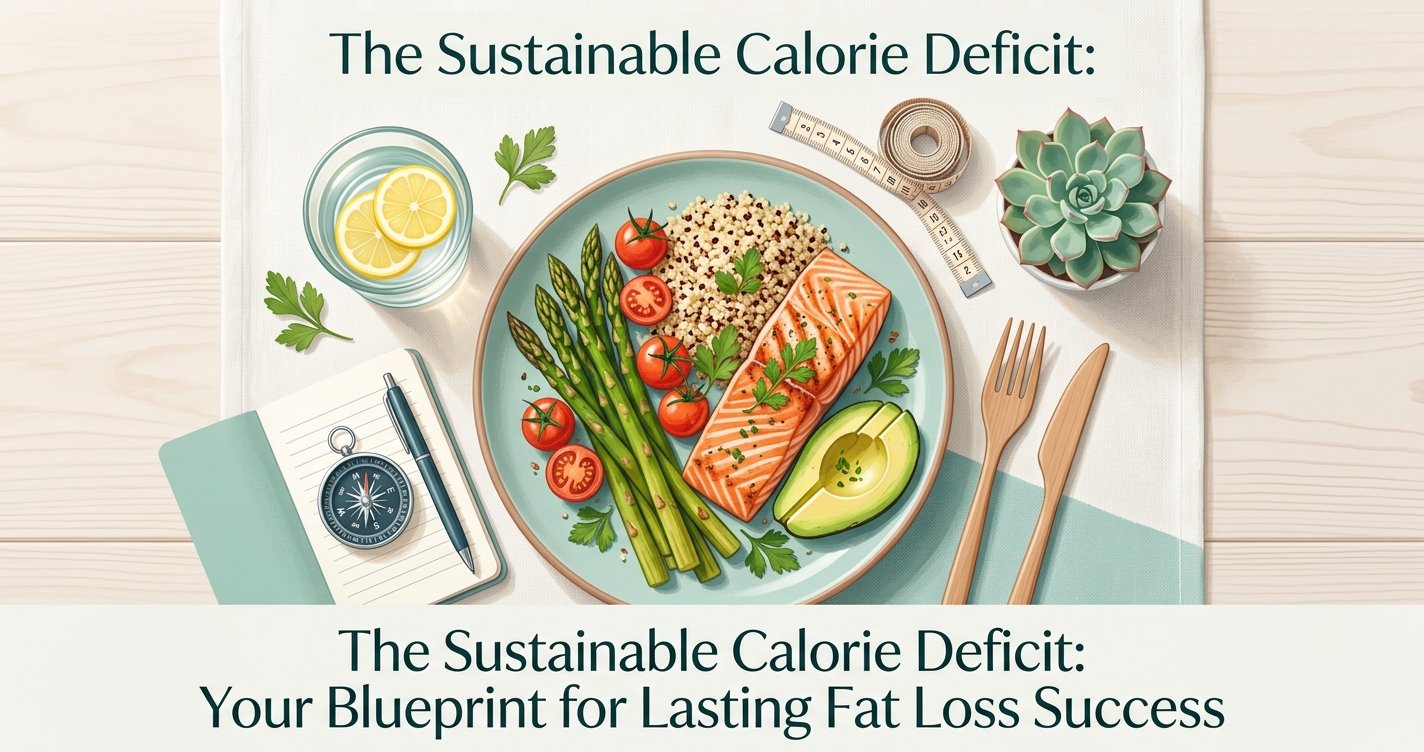
Embarking on a fat loss journey can feel overwhelming, with countless diets and workout routines promising quick fixes. But what if we told you there's one fundamental principle that underpins all successful, sustainable fat loss? It's not a secret supplement or a grueling detox; it's the humble, yet powerful, calorie deficit. Understanding and implementing this concept correctly is your ultimate blueprint for not just losing fat, but keeping it off for good.
Forget the fads and prepare to unlock the science-backed, friendly approach to transforming your body and building healthier habits that last a lifetime. Let's dive in! this excellent wellness product
What Exactly is a Calorie Deficit? (And Why It's Non-Negotiable for Fat Loss)
At its core, a calorie deficit is simple: you consume fewer calories than your body burns. Think of your body like a car. If you put in less fuel than you use for your daily commute, the car will eventually run out of gas. Your body, however, is much smarter. When it doesn't get enough energy from the food you eat, it taps into its stored energy reserves – primarily fat – to make up the difference. This process is what leads to fat loss.
It's a foundational principle of thermodynamics, meaning it's not debatable. Whether you're following keto, paleo, or a plant-based diet, if you're losing fat, you are, by definition, in a calorie deficit. The magic truly happens when you create this deficit in a way that's sustainable, enjoyable, and supports your overall health.
Calculating Your Sweet Spot: Finding Your Ideal Calorie Deficit
So, how do you figure out how many calories your body needs, and how much to reduce them? It starts with understanding your Total Daily Energy Expenditure (TDEE).
Understanding Your TDEE:
- Basal Metabolic Rate (BMR): The calories your body burns just to keep essential functions running (breathing, circulation, cell production) at rest.
- Activity Level: The calories you burn through exercise and non-exercise activity (walking, fidgeting, daily chores).
Online TDEE calculators are a great starting point. They use your age, sex, weight, height, and activity level to estimate your daily calorie burn. Once you have this number, you can create your deficit.
Creating a Sustainable Deficit:
For sustainable fat loss, aim for a moderate deficit of 300-500 calories below your estimated TDEE. This typically results in a healthy and realistic fat loss of 1-2 pounds per week. A larger deficit might lead to faster initial loss, but it's often unsustainable, can lead to muscle loss, nutrient deficiencies, and rebound weight gain.
Remember, these calculators provide an estimate. Your actual TDEE can vary. The best approach is to:
- Start with the calculated deficit.
- Track your food intake and weight for 2-3 weeks.
- Adjust your calories up or down by 100-200 calories based on your progress and how you feel.
Fueling Your Fat Loss Journey: Smart Food Choices Matter
While a calorie deficit is essential, the quality of those calories is equally important for your health, satiety, and long-term success. You want to nourish your body, not deprive it.
- Prioritize Protein: Protein is your best friend for fat loss. It's highly satiating, meaning it keeps you feeling full longer, and it's crucial for preserving muscle mass while in a deficit. Aim for lean sources like chicken breast, fish, eggs, Greek yogurt, tofu, and legumes.
- Embrace Fiber-Rich Carbs: Don't fear carbohydrates! Whole grains (oats, brown rice, quinoa), fruits, and vegetables are packed with fiber, which aids digestion, stabilizes blood sugar, and contributes to satiety. They provide sustained energy for your workouts and daily life.
- Include Healthy Fats: Fats are vital for hormone production and nutrient absorption. Avocados, nuts, seeds, olive oil, and fatty fish (like salmon) provide essential fatty acids that keep you healthy and satisfied. Just remember they are calorie-dense, so portion control is key.
- Hydrate, Hydrate, Hydrate: Water is often overlooked but plays a critical role. It aids metabolism, helps you feel full, and can prevent you from mistaking thirst for hunger.
- Limit Processed Foods and Sugary Drinks: These often provide 'empty' calories – high in calories but low in nutrients and satiety. Cutting them out is one of the easiest ways to create a deficit and improve your overall health.
Beyond the Plate: The Power of Movement
While you can create a calorie deficit through diet alone, incorporating exercise significantly enhances your fat loss efforts and offers a multitude of health benefits.
- Strength Training: This is non-negotiable for sustainable fat loss. Lifting weights helps you maintain (or even build) muscle mass while in a deficit. More muscle means a higher resting metabolism, making it easier to burn calories even at rest. Aim for 2-4 sessions per week.
- Cardiovascular Exercise: Activities like jogging, swimming, cycling, or brisk walking directly burn calories, contributing to your deficit. They also improve heart health, endurance, and mood. Mix in both steady-state cardio and high-intensity interval training (HIIT) if you enjoy it.
- Increase NEAT (Non-Exercise Activity Thermogenesis): These are the calories you burn through everyday movements outside of structured exercise. Take the stairs, park further away, walk during phone calls, do some gardening. These small movements add up!
The Unsung Heroes: Sleep and Stress Management for Sustainable Results
You can eat perfectly and exercise diligently, but if you neglect sleep and stress, your fat loss journey will be an uphill battle. These factors profoundly impact your hormones and willpower.
- Sleep: Insufficient sleep disrupts hormones like ghrelin (which increases appetite) and leptin (which signals fullness), making you hungrier and less satisfied. It also raises cortisol (the stress hormone), which can promote fat storage, especially around the belly. Aim for 7-9 hours of quality sleep per night.
- Stress: Chronic stress leads to elevated cortisol levels, which can make fat loss incredibly difficult and even encourage fat storage. Stress can also lead to emotional eating and poor food choices.
Prioritize winding down before bed, creating a dark and cool sleep environment, and finding healthy ways to manage stress, such as meditation, hobbies, spending time in nature, or connecting with loved ones.
Building Lasting Habits: Your Blueprint for Long-Term Success
Fat loss isn't a race; it's a journey of building sustainable habits. Quick fixes rarely last because they don't address the underlying behaviors.
- Consistency Over Perfection: Don't let one 'off' meal derail your entire week. Get back on track with your next meal. Progress isn't linear, and setbacks are normal.
- Meal Planning and Prep: Dedicate time each week to plan your meals and prepare some components in advance. This reduces decision fatigue and helps you make healthier choices when busy.
- Mindful Eating: Pay attention to your hunger and fullness cues. Eat slowly, savor your food, and put away distractions. This helps you recognize when you're truly satisfied.
- Track Your Progress (Beyond the Scale): While the scale is one metric, also pay attention to how your clothes fit, your energy levels, strength gains, and overall mood. Celebrate non-scale victories!
- Patience and Self-Compassion: Fat loss takes time. Be kind to yourself, learn from your experiences, and understand that sustainable change is a marathon, not a sprint.
Common Pitfalls and How to Navigate Them
Even with the best intentions, it's easy to stumble. Here are a few common traps and how to avoid them:
- Too Extreme a Deficit: Trying to lose weight too fast can lead to muscle loss, extreme hunger, nutrient deficiencies, and ultimately, burnout. Stick to a moderate deficit.
- Underestimating Food Intake/Overestimating Exercise Burn: It's easy to misjudge portion sizes or how many calories a workout truly burned. Tracking accurately, even for a short period, can be incredibly insightful.
- Ignoring Hunger Cues: While a deficit means some hunger, extreme, constant hunger is a sign your deficit might be too large or your food choices aren't satiating enough. Listen to your body.
- Focusing Only on the Scale: Weight fluctuates daily due to water retention, hormones, and bowel movements. Look at weekly averages and other progress indicators.
Ready to Build Your Blueprint?
The sustainable calorie deficit isn't a restrictive diet; it's a powerful principle that empowers you to take control of your fat loss journey. By understanding how your body uses energy, making smart food choices, incorporating movement, prioritizing sleep, and managing stress, you can create a personalized blueprint for lasting success.
It's about making informed choices that fit your lifestyle, not sacrificing enjoyment. Start small, be consistent, and celebrate every step of your progress. Your sustainable fat loss journey begins now!