Cracking the Code: Your Friendly Guide to a Sustainable Calorie Deficit for Lasting Fat Loss
Have you ever felt caught in the endless cycle of trying to lose fat, only to find yourself back where you started, or even further behind? The world of fat loss can be a confusing maze of conflicting advice, quick fixes, and restrictive diets that promise the moon but deliver little more than frustration. But what if we told you there's a foundational principle that underpins all successful fat loss, and understanding it can set you free from this cycle? It's called the calorie deficit, and when approached sustainably, it's the most powerful tool in your fat loss arsenal.
This isn't about deprivation or extreme measures. This guide is about empowering you with evidence-based knowledge and practical strategies to create a calorie deficit that fits your life, promotes health, and leads to lasting results. Let's ditch the fads and embrace a smarter, kinder way to achieve your fat loss goals. this excellent wellness product
What Exactly is a Calorie Deficit? (And Why It Matters So Much)
At its core, a calorie deficit is simple physics: it means you're consuming fewer calories than your body expends. Think of your body like a car. Calories are its fuel. If you put in less fuel than the car needs to run for the day, it has to find another source of energy. For your body, that 'other source' is stored fat.
Every single day, your body burns a certain number of calories just to keep you alive (this is your Basal Metabolic Rate or BMR), plus additional calories for all your activities, from walking to working out to even digesting food. This total is your Total Daily Energy Expenditure (TDEE). When your calorie intake falls below your TDEE, you're in a deficit. When it's above, you're in a surplus (leading to weight gain). When it's equal, you maintain your weight.
Understanding this fundamental principle is crucial because it debunks countless myths. No specific food, no magic pill, and no amount of exercise can override the basic law of energy balance. To lose fat, you *must* be in a calorie deficit. Period.
Finding Your Starting Point: Estimating Your Maintenance Calories
Before you can create a deficit, you need to know your TDEE – the number of calories your body needs to maintain its current weight. This isn't an exact science, as individual metabolisms vary, but we can get a very good estimate.
- Online Calculators: Tools like the Mifflin-St Jeor equation or Harris-Benedict formula (readily available online) can give you a starting estimate based on your age, sex, height, weight, and activity level. Remember, these are just estimates!
- Track and Adjust: The most accurate way to find your TDEE is to track your current calorie intake consistently for 1-2 weeks while maintaining your usual activity levels. If your weight stays stable, that calorie number is roughly your maintenance. If you're gaining or losing, adjust accordingly.
Don't get bogged down in perfection here. The goal is a good starting estimate, which you'll refine as you go.
Creating Your Deficit: How Much and How Fast?
Once you have an idea of your maintenance calories, it's time to create your deficit. But how big should it be?
- Moderate is Key: For sustainable fat loss, a moderate deficit is typically recommended – usually 300-500 calories below your estimated maintenance. This translates to roughly 0.5 to 1 pound of fat loss per week (since one pound of fat is approximately 3,500 calories).
- Why Not More? While a larger deficit might seem appealing for faster results, it often backfires. Extreme deficits can lead to:
- Significant muscle loss (which lowers your metabolism).
- Intense hunger and cravings, making adherence difficult.
- Fatigue, irritability, and poor energy levels.
- Nutrient deficiencies.
- Metabolic adaptation, where your body tries to conserve energy by slowing down.
Remember, this is a marathon, not a sprint. Slow and steady wins the race for lasting results and a healthier relationship with food.
The Pillars of a Sustainable Deficit: Smart Nutrition Strategies
Creating a calorie deficit doesn't mean eating nothing but salads. It means making smarter, more intentional food choices that keep you full, nourished, and satisfied.
Prioritize Protein: Your Satiety Superstar
Protein is arguably the most important macronutrient for fat loss. It's highly satiating, meaning it keeps you feeling fuller for longer, reducing the urge to snack. It also helps preserve precious muscle mass during a deficit, which is crucial for maintaining a healthy metabolism. Aim for a protein source at every meal: lean meats, poultry, fish, eggs, dairy, legumes, and plant-based protein powders.
Embrace Fiber: The Gut-Friendly Filler
Foods rich in fiber (fruits, vegetables, whole grains, beans, lentils) add volume to your meals without adding many calories. Fiber slows digestion, promoting satiety and helping regulate blood sugar levels. Plus, it's fantastic for gut health!
Smart Carb & Fat Choices: Fuel and Function
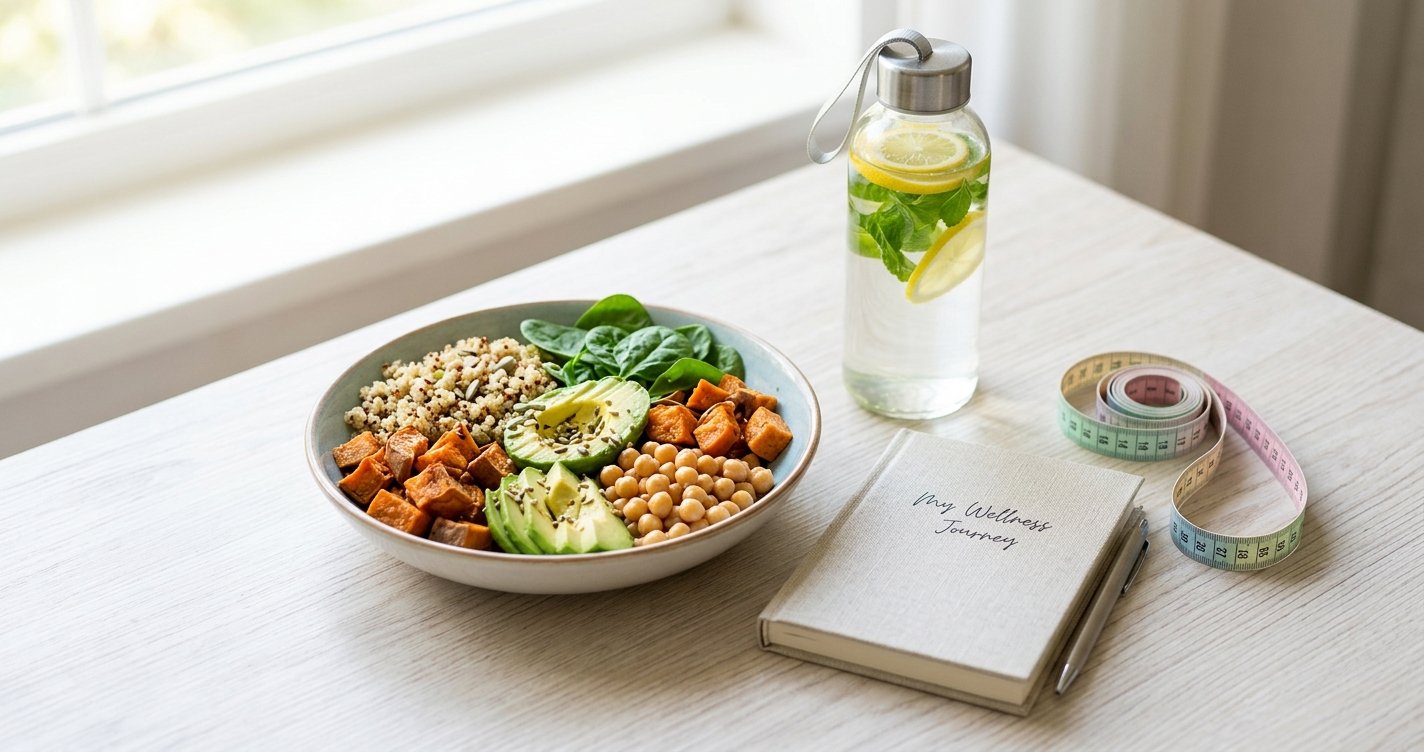
Don't demonize carbs or fats. Both are essential for your body's functions. Focus on complex carbohydrates like whole grains, sweet potatoes, and oats for sustained energy, and healthy fats from sources like avocados, nuts, seeds, and olive oil for hormone production and nutrient absorption. Portion control is key here, as fats are calorie-dense.
Hydration: Often Overlooked
Drinking enough water is vital. Sometimes, thirst is mistaken for hunger, leading to unnecessary snacking. Water also aids in digestion and nutrient transport. Aim for plenty of water throughout the day, especially before meals.
Beyond the Plate: The Role of Activity and Lifestyle
While nutrition drives the deficit, activity and lifestyle factors play a huge supporting role in both creating the deficit and ensuring long-term success.
Move More: Boost Your NEAT
Non-Exercise Activity Thermogenesis (NEAT) refers to the calories you burn doing everything that isn't formal exercise or sleeping. Think walking, fidgeting, standing, taking the stairs. Increasing your NEAT by just a few hundred steps or minutes of standing can significantly contribute to your daily calorie expenditure without feeling like a grueling workout.
Strength Training: Preserve and Build Muscle
Lifting weights is incredibly important during a fat loss phase. It signals to your body to hold onto muscle mass, even as you lose fat. More muscle means a higher resting metabolism, making it easier to maintain your weight in the long run. Aim for 2-3 full-body strength sessions per week.
Cardio: A Calorie-Burning Bonus
Cardiovascular exercise, like brisk walking, jogging, cycling, or swimming, directly burns calories and improves heart health. Incorporate moderate cardio sessions as a complement to your strength training, focusing on what you enjoy to ensure consistency.
Sleep: The Unsung Hero of Fat Loss
Lack of sleep disrupts hormones that regulate hunger (ghrelin) and satiety (leptin), making you hungrier and more prone to cravings for high-calorie foods. It also increases cortisol, a stress hormone linked to belly fat storage. Prioritize 7-9 hours of quality sleep per night.
Stress Management: Tame the Cortisol Beast
Chronic stress can lead to elevated cortisol levels, which can promote fat storage, especially around the midsection. Find healthy ways to manage stress, whether it's meditation, yoga, spending time in nature, or hobbies that bring you joy.
Navigating Challenges: Plateaus, Cravings, and Social Situations
The journey won't always be smooth, and that's perfectly normal. Expect challenges and learn how to navigate them.
- Plateaus: If your weight loss stalls for 2-3 weeks, don't panic. Re-evaluate your calorie intake and activity levels. Sometimes a small adjustment is all that's needed. Consider a 'diet break' for 1-2 weeks where you eat at maintenance calories to give your body and mind a reset, then re-enter your deficit.
- Cravings: Acknowledge them, but don't let them derail you. Plan for small, mindful indulgences, or find healthier alternatives. Sometimes, a craving is just a sign you need more protein or fiber in your diet.
- Social Situations: You don't have to be a hermit. Plan ahead: look at restaurant menus online, eat a small protein-rich snack before you go, choose lighter options, and focus on enjoying the company rather than overeating.
Remember, consistency trumps perfection. One 'off' meal or day won't undo weeks of progress. Get back on track with your next meal.
Your Sustainable Path to Lasting Fat Loss
Achieving lasting fat loss isn't about chasing the latest fad; it's about understanding and consistently applying the principles of a sustainable calorie deficit. It's about nourishing your body with nutrient-dense foods, moving it regularly, prioritizing sleep, and managing stress.
This journey is unique to you. Be patient, be kind to yourself, and celebrate every small victory. By focusing on sustainable habits rather than quick fixes, you're not just losing fat – you're building a healthier, stronger, and more confident you for life. You've got this!