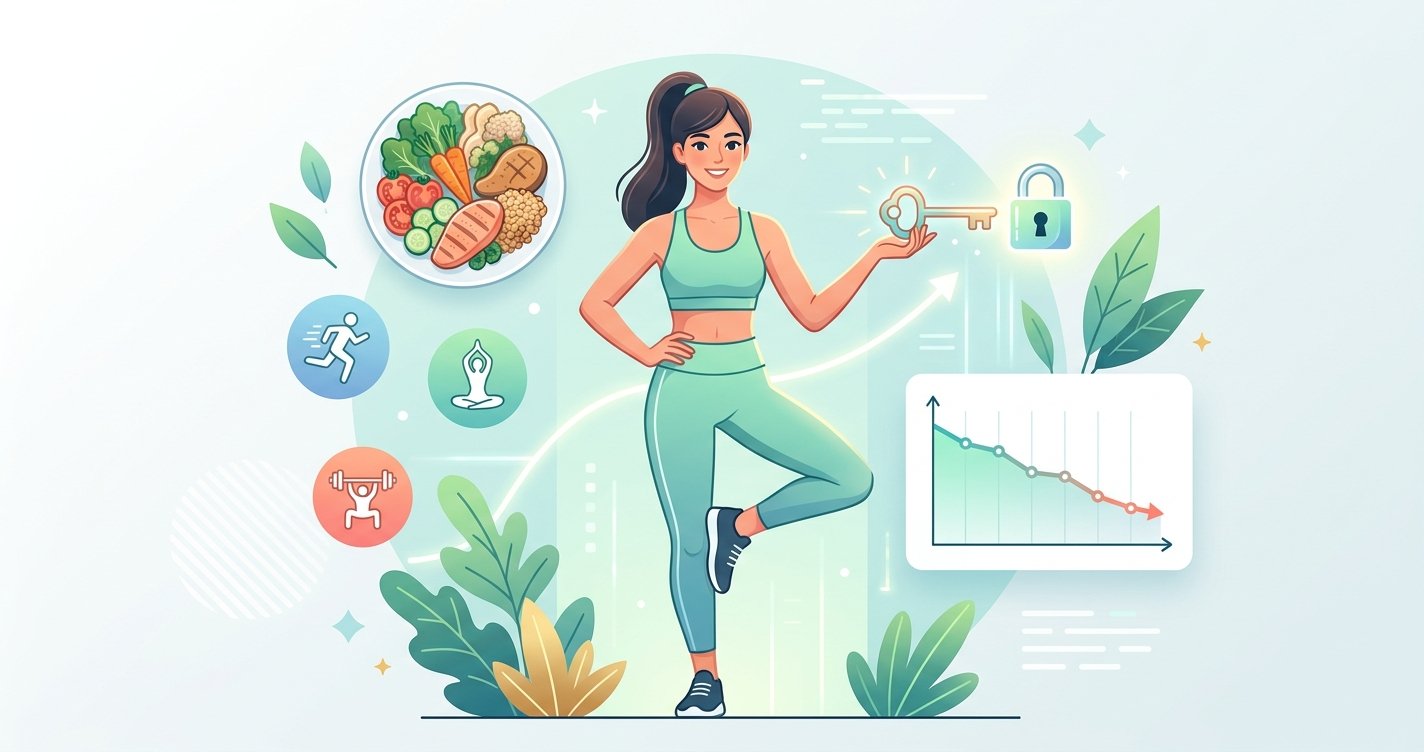
In a world overflowing with quick-fix diets and magic pills, it's easy to feel lost on your fat loss journey. We've all been there, chasing the latest trend only to find ourselves back where we started, often feeling more frustrated than before. But what if we told you there's a foundational principle, backed by science, that holds the key to not just losing fat, but keeping it off for good? It's called a 'calorie deficit,' and when approached sustainably, it's a game-changer. This isn't about deprivation; it's about empowerment, understanding your body, and making smart choices that fuel your success. Ready to unlock the secret to lasting fat loss? Let's dive in!
What Exactly is a Calorie Deficit (and Why It Matters)?
At its core, a calorie deficit is simple: you consume fewer calories than your body uses in a day. Think of your body as a car and calories as fuel. If you put less fuel in than the car burns to drive around, it will eventually have to tap into its reserve tank. For your body, that 'reserve tank' is your stored fat. this excellent wellness product
Your body is constantly burning calories just to exist – breathing, thinking, circulating blood. This is known as your Basal Metabolic Rate (BMR). On top of that, every movement you make, from walking to exercising, burns additional calories. This combined total is your Total Daily Energy Expenditure (TDEE). To lose fat, you need to consistently eat below your TDEE. Without a calorie deficit, no matter how 'healthy' your food choices are, fat loss simply won't happen. It's the fundamental principle, the undeniable math, behind every successful fat loss transformation.
The 'Sustainable' Part: Finding Your Sweet Spot
Here's where many people stumble. They hear 'calorie deficit' and immediately think 'starvation mode.' While an extreme deficit might lead to rapid initial weight loss, it's almost always unsustainable and comes with a host of undesirable side effects. Severely restricting calories can lead to muscle loss (which slows your metabolism), nutrient deficiencies, intense hunger, energy crashes, mood swings, and ultimately, rebound weight gain. It's a recipe for frustration and failure.
The magic happens when you find a sustainable deficit. This typically means aiming for a deficit of 300-500 calories below your TDEE. This moderate approach allows your body to tap into fat stores without feeling overly deprived or sacrificing crucial muscle mass. It's slow and steady wins the race! You can estimate your TDEE using online calculators as a starting point, but remember, these are estimates. Listen to your body, track your progress, and adjust as needed. A sustainable deficit means you're losing fat at a healthy rate (typically 1-2 pounds per week) while still having enough energy to live your life and enjoy your food.
Fueling Your Deficit: Smart Food Choices for Satiety and Nutrients
While a calorie deficit is about quantity, the quality of those calories makes a huge difference in how you feel and how successful you'll be. Not all calories are created equal, especially when you're trying to feel full and nourished on less.
Protein Powerhouse
- Why it matters: Protein is incredibly satiating, meaning it keeps you feeling full for longer, reducing cravings. It also has a higher thermic effect of food (TEF) – your body burns more calories digesting protein than carbs or fats. Crucially, adequate protein intake helps preserve muscle mass while you're in a deficit, which is vital for maintaining a healthy metabolism.
- Sources: Lean meats, poultry, fish, eggs, dairy (Greek yogurt, cottage cheese), legumes, tofu, tempeh, protein powder.
Fiber-Rich Friends
- Why it matters: Fiber adds bulk to your meals without adding many calories. It slows digestion, helps regulate blood sugar, and promotes a healthy gut. All of this contributes to sustained fullness and better overall health.
- Sources: Fruits, vegetables, whole grains (oats, quinoa, brown rice), beans, lentils, nuts, seeds.
Healthy Fats in Moderation
- Why it matters: While calorie-dense, healthy fats are essential for hormone production, nutrient absorption, and satiety. The key is moderation. A small amount can make a meal much more satisfying.
- Sources: Avocados, nuts, seeds, olive oil, fatty fish (salmon, mackerel).
Hydration Hero
- Why it matters: Often overlooked, water plays a huge role in fat loss. Staying well-hydrated can help manage hunger cues (sometimes thirst is mistaken for hunger) and supports all metabolic processes.
- Tip: Drink a glass of water before each meal.
By prioritizing these nutrient-dense foods, you can create a calorie deficit that leaves you feeling satisfied, energized, and nourished, rather than hungry and deprived.
Beyond the Plate: Movement and Lifestyle for Enhanced Fat Loss
While nutrition is king for a calorie deficit, your lifestyle choices significantly impact your TDEE and overall body composition. Incorporating movement and optimizing other lifestyle factors can make your fat loss journey smoother and more effective.
Move Your Body Smartly
- Resistance Training: Don't fear the weights! Building muscle is one of the best things you can do for fat loss. Muscle is metabolically active, meaning it burns more calories at rest than fat does. Lifting weights helps preserve muscle during a deficit and can even build new muscle, transforming your body composition.
- Cardio: Activities like walking, jogging, cycling, or swimming are excellent for burning calories and improving cardiovascular health. Find something you enjoy and do it consistently.
- NEAT (Non-Exercise Activity Thermogenesis): These are the calories you burn from everyday movements that aren't formal exercise. Think taking the stairs, parking further away, standing more, fidgeting. These small movements add up significantly over time!
Prioritize Sleep
Lack of sleep can sabotage your fat loss efforts by messing with your hormones. Insufficient sleep can increase ghrelin (the hunger hormone) and decrease leptin (the satiety hormone), leading to increased cravings and a tendency to overeat. Aim for 7-9 hours of quality sleep per night.
Manage Stress
Chronic stress elevates cortisol levels, which can promote fat storage, especially around the midsection. Find healthy ways to manage stress, whether it's meditation, yoga, spending time in nature, or hobbies you enjoy. Your mental well-being is just as important as your physical health.
Navigating Challenges: Plateaus, Motivation, and Mindset
Fat loss isn't a straight line; it's a journey with ups, downs, and plateaus. It's crucial to be prepared for these challenges and cultivate a resilient mindset.
Understanding Plateaus
It's normal for fat loss to slow down or even stall. As you lose weight, your body needs fewer calories to operate, and your metabolism might adapt. Don't panic! When you hit a plateau, consider:
- Re-evaluating your calorie intake and activity levels (your TDEE might have changed).
- Increasing your NEAT or trying a new form of exercise.
- Implementing a 'diet break' (a short period at maintenance calories) to give your body and mind a rest.
Consistency Over Perfection
You're human. There will be days when you go over your calorie target or miss a workout. One 'bad' meal or day will not derail weeks of consistent effort. The key is to get back on track with your next meal or workout. Focus on long-term consistency rather than striving for unattainable perfection.
Cultivate a Positive Mindset
Fat loss is as much a mental game as it is a physical one. Practice mindful eating, paying attention to your hunger and fullness cues. Challenge negative self-talk and celebrate small victories. Focus on the health benefits, increased energy, and strength you're gaining, not just the number on the scale. Be patient and kind to yourself throughout the process.
Your Journey to Lasting Fat Loss Starts Here
The journey to sustainable fat loss doesn't have to be complicated or miserable. By understanding and implementing a moderate, consistent calorie deficit, fueled by nutrient-dense foods, supported by smart movement, and enhanced by healthy lifestyle habits, you're not just losing fat – you're building a healthier, stronger, and more confident you. This isn't a temporary fix; it's a sustainable lifestyle change that empowers you to take control of your health and achieve lasting results. Embrace the process, be patient, and celebrate every step forward. You've got this!