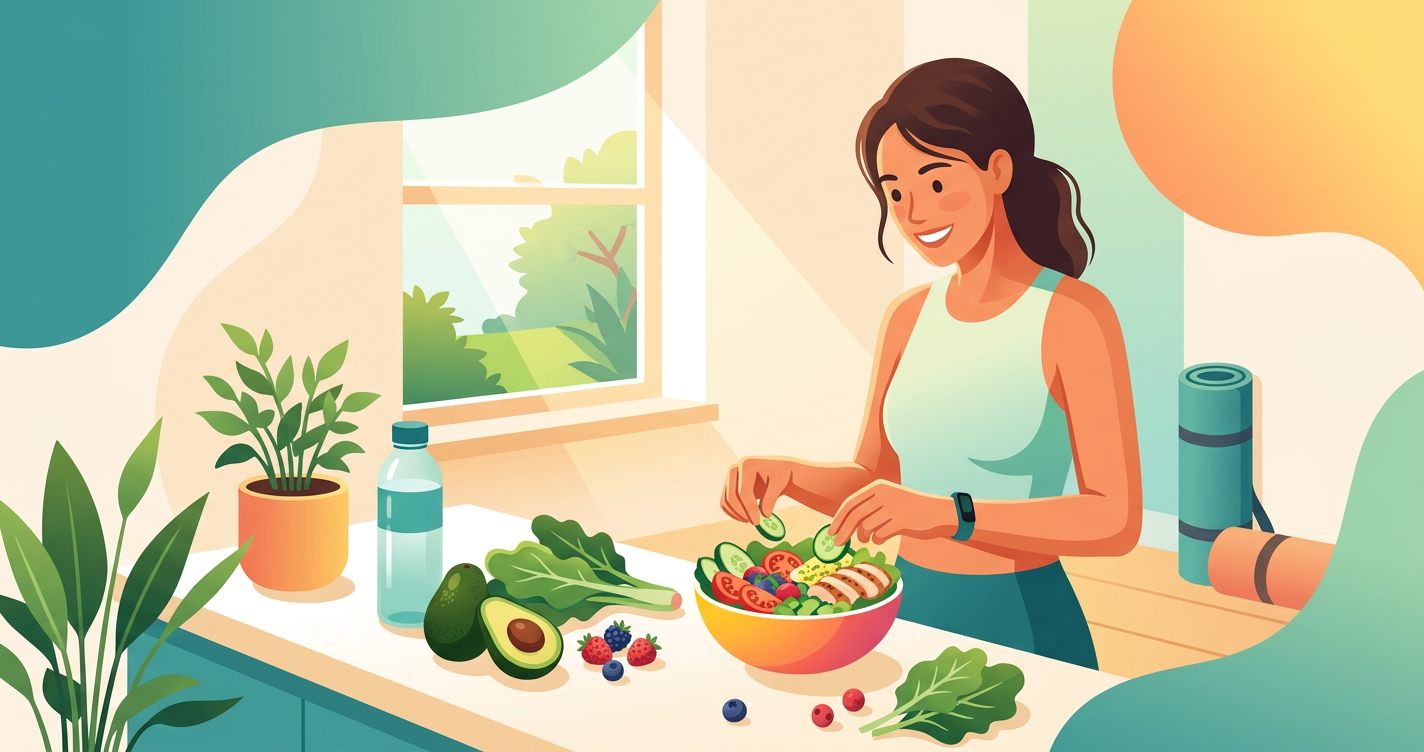
Tired of diet fads that promise the world but deliver fleeting results? You're not alone. Many people embark on fat loss journeys with enthusiasm, only to be met with frustration when the scale stalls or the weight creeps back on. The truth is, achieving lasting fat loss isn't about extreme restrictions or complicated regimens; it's about understanding a fundamental principle and applying it sustainably: the calorie deficit.
While often oversimplified or demonized, the calorie deficit is the non-negotiable cornerstone of fat loss. But don't let that sound intimidating! This isn't about starvation or misery. Instead, it's about creating a gentle, manageable energy imbalance that your body can adapt to, leading to steady and healthy progress. In this friendly, evidence-based guide, we'll demystify the calorie deficit and equip you with the knowledge and practical strategies to make it a sustainable part of your lifestyle, paving the way for the lasting fat loss you desire. this excellent wellness product
Understanding the Calorie Deficit: The Non-Negotiable Truth
Let's start with the basics. What exactly is a calorie, and why is it so central to fat loss?
What is a Calorie?
A calorie is simply a unit of energy. When you eat food, your body breaks it down and converts the nutrients into energy, measured in calories. This energy powers everything you do, from breathing and thinking to exercising and digesting.
Energy Balance 101: Why Deficit Matters
Your body is constantly burning calories to fuel its functions. The total number of calories your body burns in a day is known as your Total Daily Energy Expenditure (TDEE). This includes your Basal Metabolic Rate (BMR – calories burned at rest), the Thermic Effect of Food (TEF – calories burned digesting food), and the energy expended through physical activity (NEAT and exercise).
The concept of energy balance is straightforward:
- Calorie Surplus: Eating more calories than your TDEE leads to weight gain (your body stores the excess energy, often as fat).
- Calorie Maintenance: Eating roughly the same number of calories as your TDEE leads to maintaining your current weight.
- Calorie Deficit: Eating fewer calories than your TDEE forces your body to tap into its stored energy reserves (primarily body fat) for fuel, leading to fat loss.
It's a simple equation, backed by countless studies: to lose fat, you must consistently consume fewer calories than you burn. There's no magic pill or secret diet that bypasses this fundamental law of thermodynamics. However, the *how* of creating this deficit sustainably is where the real magic happens.
Crafting Your Sustainable Calorie Deficit: No Starvation Required!
The goal isn't to starve yourself; it's to create a deficit that is effective yet manageable and doesn't leave you feeling deprived or overly hungry.
Gradual Reduction is Key
Drastic calorie cuts are rarely sustainable. They can lead to intense hunger, nutrient deficiencies, fatigue, and can even slow down your metabolism in the long run. Instead, aim for a gradual reduction. This allows your body to adjust without triggering extreme compensatory mechanisms.
The Magic Number: How Much of a Deficit?
For most people, a deficit of 250-500 calories per day is a good starting point. This typically translates to a healthy and sustainable fat loss of about 0.5 to 1 pound per week. While it might sound slow, remember that sustainable progress is often steady progress. Losing weight too quickly can sometimes mean losing muscle, which isn't ideal for body composition or long-term metabolic health.
- Example: If your estimated TDEE is 2000 calories, aiming for 1500-1750 calories per day would create a healthy deficit.
Listening to Your Body
While numbers are helpful, your body is the ultimate guide. If you're constantly ravenous, excessively fatigued, or experiencing mood swings, your deficit might be too aggressive. Adjust slightly upwards and prioritize feeling good while still making progress.
Fueling Your Body for Fat Loss: Smart Food Choices
A calorie deficit doesn't mean eating less food; it means eating *smarter* food. Prioritizing nutrient-dense, whole foods will help you feel full and satisfied on fewer calories.
Protein Power: Your Satiety Secret Weapon
Protein is incredibly important for fat loss. It helps preserve muscle mass during a deficit, which is crucial for maintaining a healthy metabolism. More importantly, protein is highly satiating, meaning it keeps you feeling fuller for longer, reducing the likelihood of overeating.
- Examples: Lean meats (chicken, turkey, fish), eggs, Greek yogurt, cottage cheese, legumes, tofu, protein powder.
Complex Carbs: Energy & Fiber for the Win
Don't fear carbohydrates! Complex carbohydrates provide sustained energy, essential for workouts and daily functioning, and are rich in fiber. Fiber adds bulk to your meals, promoting satiety and aiding digestion.
- Examples: Oats, quinoa, brown rice, whole-wheat bread, sweet potatoes, fruits, vegetables.
Healthy Fats: Essential & Satisfying
While calorie-dense, healthy fats are vital for hormone production, nutrient absorption, and overall health. They also contribute to satiety. The key is moderation.
- Examples: Avocados, nuts, seeds, olive oil, fatty fish (salmon).
The Role of Micronutrients
Focusing on whole foods naturally increases your intake of vitamins and minerals. These micronutrients are crucial for optimal bodily functions, energy levels, and overall well-being, all of which support a successful fat loss journey.
Beyond the Plate: Lifestyle Factors for Success
Fat loss isn't just about what you eat; it's about your entire lifestyle. These factors play a significant role in making your calorie deficit sustainable and effective.
Movement Matters: Exercise for Enhanced Results
While you can create a calorie deficit through diet alone, incorporating exercise offers numerous benefits:
- Increased Calorie Burn: Exercise directly contributes to your TDEE, allowing for a slightly larger deficit without further cutting food.
- Muscle Preservation: Strength training, in particular, is critical for preserving and even building muscle mass during fat loss, which helps maintain a higher metabolism.
- Improved Mood & Energy: Exercise can combat fatigue and improve mental well-being, making it easier to stick to your goals.
Aim for a combination of strength training (2-3 times a week) and cardiovascular exercise (150 minutes of moderate intensity per week).
Sleep: The Unsung Hero of Fat Loss
Lack of sleep can sabotage your fat loss efforts in multiple ways. It can:
- Increase cravings for unhealthy foods.
- Elevate cortisol (stress hormone), which can promote fat storage, especially around the belly.
- Impair insulin sensitivity.
- Reduce your energy levels, making you less likely to exercise.
Prioritize 7-9 hours of quality sleep per night.
Stress Management: Cortisol and Cravings
Chronic stress, like sleep deprivation, can lead to elevated cortisol levels. This can not only impact fat storage but also trigger emotional eating and cravings for high-calorie comfort foods. Find healthy ways to manage stress, such as meditation, yoga, spending time in nature, or hobbies you enjoy.
Hydration: Simple Yet Powerful
Drinking enough water is often overlooked but incredibly important. Water can help you feel full, aid digestion, and ensure your body functions optimally. Sometimes, thirst can be mistaken for hunger, so staying hydrated can prevent unnecessary snacking.
Practical Strategies for a Seamless Calorie Deficit
Knowledge is power, but application is key. Here are some actionable strategies to integrate a sustainable calorie deficit into your daily life.
Meal Prepping & Planning
Having healthy meals and snacks ready or planned reduces decision fatigue and the likelihood of reaching for convenient, less healthy options. Dedicate some time each week to plan your meals and prepare ingredients.
Mindful Eating & Portion Control
Slow down when you eat. Pay attention to your body's hunger and fullness cues. Eating mindfully can prevent overeating and help you truly savor your food. Learn to recognize appropriate portion sizes for different foods, especially those that are calorie-dense.
Tracking Your Intake (Initially)
For many, tracking calories for a few weeks can be incredibly enlightening. It helps you understand the caloric density of different foods and where your calories are actually coming from. You don't need to track forever, but it's a powerful educational tool to build awareness and better habits.
Learning to Read Food Labels
Become a savvy shopper! Understand how to read nutrition labels to identify serving sizes, calorie counts, and the macronutrient breakdown of packaged foods. This empowers you to make informed choices.
Overcoming Plateaus and Staying Motivated
Fat loss is rarely a linear journey. You'll encounter plateaus, setbacks, and moments of doubt. That's normal!
Patience and Consistency
Sustainable fat loss takes time. Don't get discouraged by slow progress or minor fluctuations on the scale. Consistency over time is what truly matters.
Adjusting as You Progress
As you lose weight, your TDEE will naturally decrease because there's less of you to move around. This means you may need to periodically adjust your calorie intake downwards or increase your activity levels slightly to maintain your deficit and continue progressing.
Celebrate Non-Scale Victories
Focus on more than just the number on the scale. Celebrate increased energy, better sleep, improved fitness, clothes fitting better, and a healthier relationship with food. These are true indicators of sustainable success.
Seeking Support
Whether it's a friend, family member, or a professional coach, having a support system can make a huge difference in staying motivated and accountable.
Your Path to Lasting Fat Loss Starts Today
The calorie deficit is not a punishment; it's a tool. When approached with understanding, patience, and a focus on nutrient-dense foods and healthy lifestyle habits, it becomes a powerful, sustainable pathway to achieving your fat loss goals. Forget the quick fixes and embrace this evidence-based, friendly approach. You have the knowledge now to make informed choices that nourish your body, fuel your life, and lead you to the lasting results you deserve. Start small, stay consistent, and celebrate every step of your journey towards a healthier, happier you!