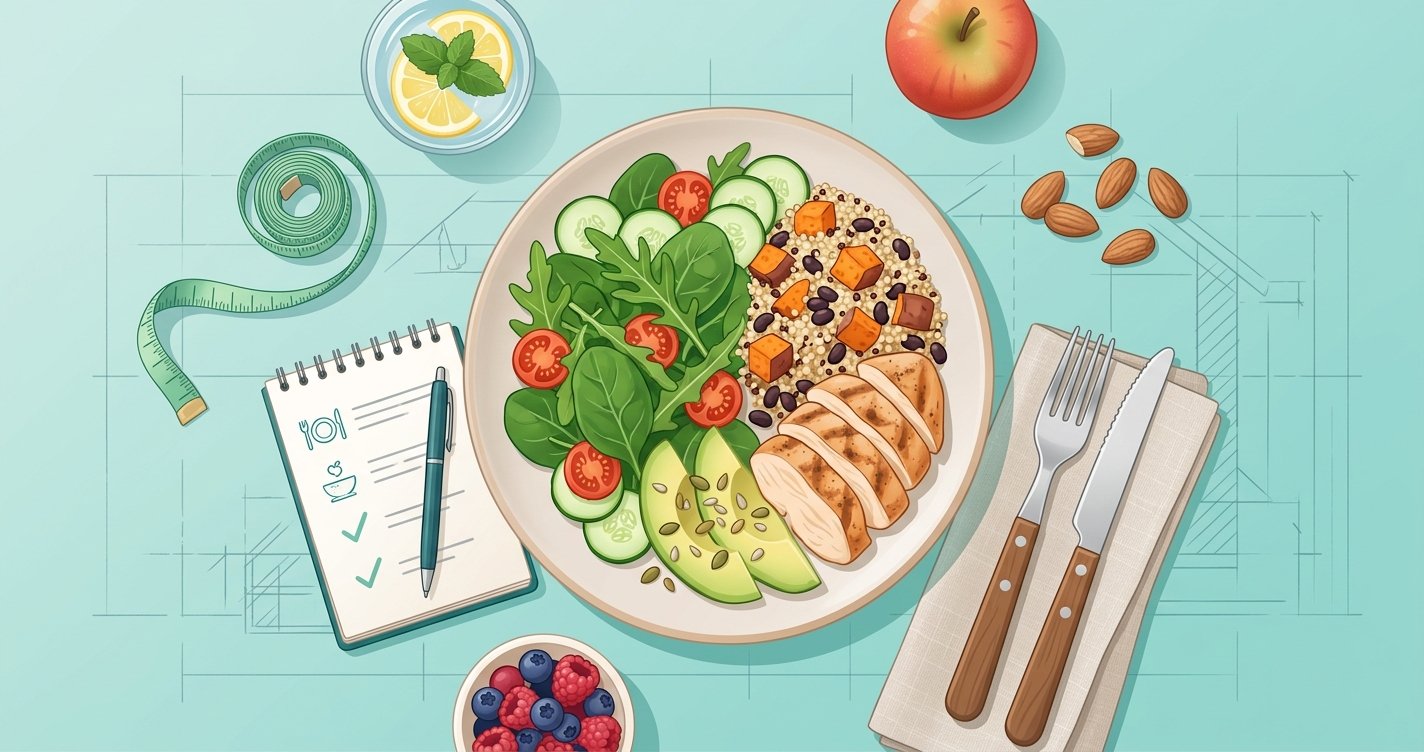
Tired of the Yo-Yo Diet Cycle? Discover Lasting Fat Loss!
Have you ever jumped on a diet trend, seen some initial success, only to find yourself back where you started (or even heavier) a few months later? You're not alone. The world of fat loss is often cluttered with quick fixes, extreme restrictions, and unsustainable promises. But what if there was a simpler, more effective, and genuinely sustainable path to achieving and maintaining your ideal body composition?
The secret lies not in deprivation, but in understanding and implementing the sustainable calorie deficit. It's the bedrock of all successful fat loss, backed by science, and surprisingly empowering when approached correctly. This comprehensive guide will equip you with the knowledge and tools to create a calorie deficit that works for *your* life, helping you shed unwanted fat without sacrificing your well-being or sanity. this excellent wellness product
What Exactly is a Calorie Deficit (and Why It Matters So Much)?
At its core, a calorie deficit is simple: you consume fewer calories than your body expends. Think of your body as a car. If you put less fuel in than it uses to drive, it will eventually run out. For your body, when you don't provide enough energy through food, it turns to its stored energy reserves – primarily body fat – to make up the difference. This process is how fat loss occurs.
- Calories In: The energy you consume from food and beverages.
- Calories Out: The energy your body uses for all its functions, including:
- Basal Metabolic Rate (BMR): The calories burned just to keep you alive (breathing, circulation, organ function).
- Thermic Effect of Food (TEF): Calories burned digesting and absorbing food.
- Non-Exercise Activity Thermogenesis (NEAT): Calories burned from all non-exercise movement (walking, fidgeting, standing).
- Exercise Activity Thermogenesis (EAT): Calories burned during structured exercise.
Your Total Daily Energy Expenditure (TDEE) is the sum of BMR, TEF, NEAT, and EAT. To lose fat, your "Calories In" must be consistently lower than your "Calories Out" (TDEE).
Calculating Your Sweet Spot: Finding Your Sustainable Deficit
The key word here is "sustainable." An extreme deficit might lead to rapid initial weight loss, but it's often accompanied by muscle loss, nutrient deficiencies, fatigue, irritability, and an inevitable rebound. We're aiming for steady, healthy progress.
Step 1: Estimate Your TDEE
While precise TDEE calculation requires laboratory testing, you can get a very good estimate using online calculators. These typically ask for your age, gender, height, weight, and activity level. Popular formulas include the Mifflin-St Jeor equation or the Harris-Benedict equation. Remember, these are estimates, and your actual TDEE may vary slightly. The goal is to get a starting point.
Step 2: Create a Moderate, Achievable Deficit
Once you have an estimated TDEE, subtract 300-500 calories to create your deficit. This typically results in a healthy and sustainable fat loss of 1-2 pounds per week. For example, if your TDEE is 2500 calories, aiming for 2000-2200 calories per day would put you in a good deficit range.
- Why 300-500 calories? This range is generally large enough to promote consistent fat loss but small enough to prevent excessive hunger, preserve muscle mass, and allow for adequate nutrient intake.
- Warning: Avoid going below 1200 calories for women or 1500 calories for men without medical supervision, as this can be detrimental to health and metabolism.
Fueling Your Body Smartly: Nutrition Strategies for Fat Loss
Creating a calorie deficit isn't just about eating less; it's about eating smarter. The quality of your calories profoundly impacts your satiety, energy levels, and overall health.
Prioritize Protein
Protein is your best friend for fat loss. It's highly satiating, meaning it keeps you feeling fuller for longer. It also has a higher thermic effect than carbs or fats (meaning your body burns more calories digesting it), and crucially, it helps preserve precious muscle mass during a calorie deficit. Aim for 0.7-1 gram of protein per pound of body weight.
- Excellent Sources: Lean meats (chicken breast, turkey), fish (salmon, cod), eggs, Greek yogurt, cottage cheese, legumes, tofu, protein powder.
Embrace Fiber-Rich Carbohydrates
Don't fall for the "no-carb" myth. Complex, fiber-rich carbohydrates are vital for sustained energy, digestive health, and satiety. Fiber adds bulk to your meals without adding many calories, helping you feel full.
- Excellent Sources: Whole grains (oats, quinoa, brown rice), fruits (berries, apples), vegetables (broccoli, spinach, sweet potatoes).
Don't Fear Healthy Fats
Healthy fats are essential for hormone production, nutrient absorption, and also contribute to satiety. Just remember they are calorie-dense, so portion control is key.
- Excellent Sources: Avocados, nuts, seeds, olive oil, fatty fish.
Hydration is Key
Drinking enough water is often overlooked but plays a significant role. Water can help you feel fuller, aids in metabolism, and keeps your body functioning optimally. Sometimes, thirst can even be mistaken for hunger.
Practice Mindful Eating
Slow down. Pay attention to your hunger and fullness cues. Eat without distractions. This can help you recognize when you're truly satisfied and prevent overeating.
Moving Your Body: Exercise for Enhanced Fat Loss and Health
While you can lose weight with diet alone, incorporating exercise supercharges your fat loss efforts, improves body composition, and offers a myriad of health benefits.
Strength Training is Non-Negotiable
Lifting weights isn't just for bodybuilders. Strength training helps preserve and even build muscle mass during a calorie deficit. More muscle means a higher resting metabolism, which means you burn more calories even at rest. Aim for 2-4 full-body strength training sessions per week.
Incorporate Cardio (Smartly)
Cardiovascular exercise burns calories and improves heart health. You can choose between:
- Low-Intensity Steady State (LISS): Walking, cycling, swimming for longer durations. Great for burning calories without excessive fatigue.
- High-Intensity Interval Training (HIIT): Short bursts of intense exercise followed by brief rest periods. Time-efficient and can boost metabolism post-workout.
Find what you enjoy and incorporate 2-3 sessions per week.
Increase NEAT (Non-Exercise Activity Thermogenesis)
This is where small changes make a big difference! Park further away, take the stairs, stand while working, fidget, walk during phone calls. These seemingly insignificant movements add up throughout the day and contribute significantly to your "calories out."
Beyond the Plate and Gym: Lifestyle Factors for Success
Fat loss isn't just about food and exercise; it's a holistic endeavor. Your lifestyle habits play a crucial role in your success.
Prioritize Sleep
Lack of sleep wreaks havoc on your hormones, specifically ghrelin (the hunger hormone) and leptin (the satiety hormone), making you feel hungrier and less satisfied. It also increases cortisol, a stress hormone linked to belly fat storage. Aim for 7-9 hours of quality sleep per night.
Manage Stress
Chronic stress also elevates cortisol levels, which can hinder fat loss and encourage fat storage, especially around the midsection. Find healthy ways to manage stress, such as meditation, yoga, spending time in nature, or engaging in hobbies.
Consistency and Patience are Your Superpowers
Fat loss is rarely linear. There will be days the scale doesn't move, or even goes up slightly. Don't get discouraged! Focus on consistency in your habits rather than day-to-day fluctuations. Sustainable fat loss is a marathon, not a sprint.
Track Your Progress (But Don't Obsess)
While the scale is one metric, it's not the only one. Consider:
- Body measurements: Waist, hips, arms, thighs.
- Progress photos: Visual changes can be incredibly motivating.
- How your clothes fit: Often a better indicator of fat loss than the scale.
- Energy levels and mood: Improving health goes beyond aesthetics.
Initially, tracking your food intake for a few weeks can be incredibly insightful to understand your typical calorie and macronutrient consumption. This helps you refine your deficit.
Common Pitfalls and How to Avoid Them
- Going too low on calories: Leads to extreme hunger, metabolic slowdown, muscle loss, and eventual rebound. Stick to a moderate deficit.
- Neglecting protein: You'll feel hungry, lose muscle, and struggle with recovery. Make protein a priority.
- Overestimating exercise calories burned: Fitness trackers can be inaccurate. Don't "eat back" all your exercise calories.
- Ignoring sleep and stress: These silently sabotage your efforts. Prioritize them as much as diet and exercise.
- Expecting perfection: You're human. There will be off days. Learn from them, adjust, and get back on track without guilt.
Your Sustainable Journey Starts Now!
Achieving lasting fat loss doesn't require extreme diets or grueling workouts. It requires a smart, sustainable approach centered around a calorie deficit that respects your body and lifestyle. By prioritizing protein, fiber, healthy fats, incorporating strength training, managing stress, and getting adequate sleep, you're not just losing weight – you're building a healthier, stronger, and more vibrant you.
Embrace the journey, be patient with yourself, and celebrate every small victory. You have the blueprint; now it's time to build your lasting success!