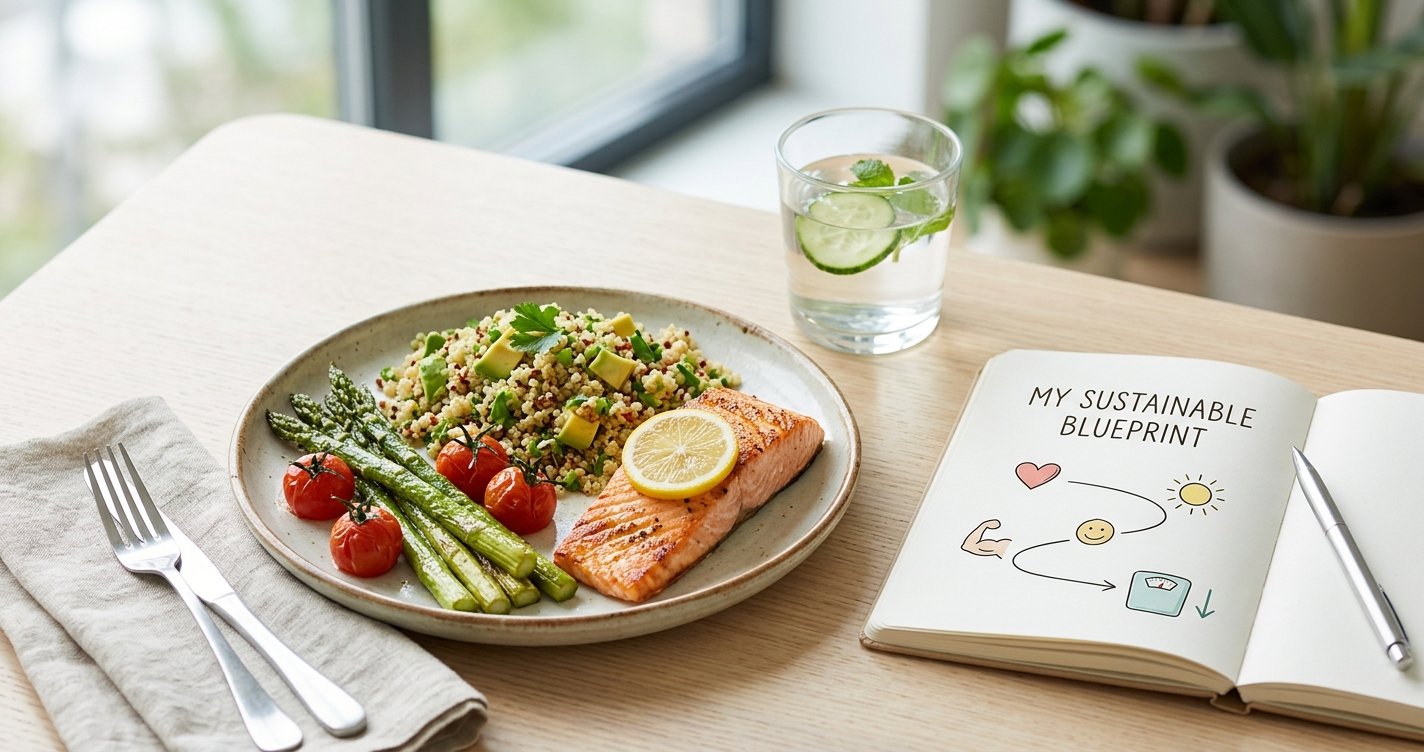
Are you tired of the endless cycle of restrictive diets, quick fixes, and the inevitable rebound? You're not alone. The world of fat loss is often clouded with myths, extreme measures, and promises that rarely deliver long-term results. But what if there was a foundational principle, backed by science, that could empower you to achieve sustainable fat loss without sacrificing your sanity or your favorite foods?
Enter the sustainable calorie deficit. It's not a fad diet; it's the fundamental mechanism for losing fat, and understanding it is your key to unlocking lasting success. Forget the deprivation and embrace a balanced, evidence-based approach that prioritizes your health, energy, and overall well-being. In this comprehensive guide, we'll demystify the calorie deficit, show you how to implement it smartly, and provide practical, friendly advice to help you build a blueprint for the body you desire – and can maintain! this excellent wellness product
What Exactly Is a Calorie Deficit? (And Why It Matters So Much)
At its core, fat loss is a simple equation: you need to consume fewer calories than your body burns. This state is known as a calorie deficit. Think of calories as units of energy. Your body needs a certain amount of energy each day to perform all its functions, from breathing and thinking to exercising and digesting food. This is your 'maintenance' level.
When you provide your body with less energy (calories) than it needs, it has to tap into its stored energy reserves – primarily fat – to make up the difference. This is the only physiological way fat loss occurs. No supplement, superfood, or 'detox' tea can bypass this fundamental law of thermodynamics. Understanding this principle is liberating, as it takes the guesswork out of fat loss and puts you in control.
The key word here, however, is 'sustainable.' While extreme calorie deficits can lead to rapid weight loss, they often come at a cost: muscle loss, nutrient deficiencies, plummeting energy levels, hormonal imbalances, and intense rebound hunger that makes long-term adherence almost impossible. Our goal is to create a deficit that allows for consistent fat loss while preserving muscle, maintaining energy, and supporting your overall health.
Finding Your Starting Point: Estimating Your Maintenance Calories
Before you can create a deficit, you need to know roughly how many calories your body burns on an average day. This is your Total Daily Energy Expenditure (TDEE). Your TDEE is influenced by several factors:
- Basal Metabolic Rate (BMR): The calories your body burns at rest to maintain basic life functions.
- Thermic Effect of Food (TEF): The energy used to digest, absorb, and metabolize food.
- Non-Exercise Activity Thermogenesis (NEAT): Calories burned from daily activities like walking, fidgeting, cleaning, etc.
- Exercise Activity Thermogenesis (EAT): Calories burned during structured exercise.
While precise measurement is difficult outside a lab, you can get a very good estimate using online TDEE calculators (e.g., those based on the Mifflin-St Jeor or Katch-McArdle formulas). You'll typically input your age, gender, height, weight, and activity level. Remember, these are estimates, not exact figures, but they provide an excellent starting point.
Alternatively, for a more personalized baseline, you can track your current food intake accurately for 1-2 weeks without changing anything. If your weight remains stable, your average daily calorie intake during this period is a good approximation of your maintenance calories.
Creating Your Deficit: How Much Is Enough (But Not Too Much)?
Once you have an estimate of your maintenance calories, it's time to create your deficit. The general recommendation for sustainable fat loss is a deficit of 300-500 calories per day. This typically translates to a fat loss of 1-2 pounds per week, which is considered healthy and sustainable for most individuals.
- Why 300-500 calories? This range is small enough to be manageable without causing extreme hunger or fatigue, allowing you to maintain nutrient intake, and large enough to yield consistent results. It helps preserve lean muscle mass, which is crucial for maintaining a healthy metabolism.
- Avoid extreme deficits: Cutting too many calories (e.g., 700-1000+ calorie deficit) can backfire. It can lead to rapid muscle loss, slow down your metabolism, cause nutrient deficiencies, disrupt hormones, and make adherence incredibly challenging due to intense hunger and cravings. It's a recipe for burnout and rebound weight gain.
Start with the higher end of your estimated maintenance calories and subtract 300-500. For example, if your estimated maintenance is 2500 calories, aim for 2000-2200 calories per day. Monitor your progress for a few weeks. If you're losing weight steadily (1-2 lbs/week) and feeling good, you've found your sweet spot. If not, you can make small adjustments (e.g., reduce by another 100-200 calories or increase activity).
The Pillars of a Sustainable Calorie Deficit
Achieving a calorie deficit isn't just about eating less; it's about eating smarter. Focus on nutrient-dense foods that keep you full and satisfied. Here's how to structure your diet for success:
1. Prioritize Protein
Protein is your best friend for fat loss. It's highly satiating, meaning it keeps you feeling fuller for longer, which naturally helps reduce overall calorie intake. Furthermore, protein is crucial for preserving muscle mass during a calorie deficit, and muscle is metabolically active, helping to burn more calories even at rest. Aim for 0.7-1 gram of protein per pound of body weight. Good sources include lean meats, poultry, fish, eggs, dairy, legumes, and tofu.
2. Load Up on Fiber-Rich Foods
Fiber adds bulk to your meals without adding many calories. It slows digestion, promotes satiety, and supports gut health. Think fruits, vegetables, whole grains, and legumes. Filling half your plate with non-starchy vegetables at each meal is an excellent strategy.
3. Choose Smart Carbohydrates
Don't fear carbs! They are your body's preferred energy source. The key is to choose complex carbohydrates over refined ones. Whole grains (oats, brown rice, quinoa), fruits, and vegetables provide sustained energy, fiber, and essential nutrients. Limit sugary drinks, white bread, and pastries, which offer little nutritional value and can lead to energy crashes and cravings.
4. Include Healthy Fats (in Moderation)
Fats are essential for hormone production, nutrient absorption, and satiety. However, they are calorie-dense, so moderation is key. Opt for healthy fats from sources like avocados, nuts, seeds, olive oil, and fatty fish. A small amount can significantly enhance meal satisfaction.
5. Stay Hydrated
Drinking plenty of water can help manage hunger cues, as thirst is often mistaken for hunger. It also supports metabolic functions and overall health. Aim for 8-10 glasses of water daily.
6. Embrace Mindful Eating
Slow down your meals. Pay attention to your body's hunger and fullness cues. Eating mindfully allows your brain to register fullness, preventing overeating. Put away distractions and savor each bite.
Navigating Challenges and Staying Consistent
Fat loss isn't a linear journey, and you'll inevitably face challenges. Here's how to overcome common hurdles:
Plateaus: What to Do When the Scale Stops Moving
Plateaus are normal. Your body adapts. If your weight loss stalls for 2-3 weeks, consider these strategies:
- Re-evaluate your intake: You might need to slightly reduce your calories further (e.g., by 100-200) as your body weight has decreased, meaning your TDEE is now lower.
- Increase NEAT: Walk more, take the stairs, stand more often.
- Incorporate a 'diet break': A 1-2 week period at maintenance calories can help reset hormones, reduce fatigue, and make the next phase of your deficit more effective.
Managing Hunger
Hunger is a natural part of a deficit. Strategies include:
- Volume eating: Fill up on low-calorie, high-volume foods like salads, broth-based soups, and most vegetables.
- Meal timing: Experiment with when you eat your biggest meals to align with when you feel hungriest.
- Prioritize protein and fiber: As discussed, these are your best allies against hunger.
Social Situations and Eating Out
Don't let social events derail your progress. Plan ahead:
- Check menus online: Choose leaner options.
- Portion control: Ask for sauces on the side, share appetizers, or take half your meal home.
- Mindful choices: Enjoy treats in moderation, but make conscious decisions.
Tracking Your Progress
Tracking calories (using an app or food diary) can be incredibly insightful, especially when starting. It helps you understand portion sizes and the calorie content of foods. However, it doesn't have to be forever. Over time, you'll develop an intuitive understanding of your intake. What's most important is consistency, not perfection. Aim for 80/20 – be consistent 80% of the time, and allow for flexibility 20% of the time.
Beyond the Scale: Measuring True Progress
The scale is just one tool, and often not the most motivating one. Fat loss is about so much more than a number. Look for non-scale victories (NSVs) that truly reflect your progress and improved health:
- How your clothes fit: Are they looser?
- Energy levels: Do you feel more vibrant and energetic?
- Strength and fitness: Are you getting stronger, able to walk further, or perform better in workouts?
- Mood and mental clarity: Is your outlook more positive?
- Body measurements: Use a tape measure to track changes in your waist, hips, and other areas.
- Progress photos: Take pictures every few weeks to visually see the changes your body is undergoing.
These victories highlight the holistic benefits of your efforts and provide powerful motivation to continue on your journey.
Your Sustainable Fat Loss Journey Starts Now!
Embracing a sustainable calorie deficit is not about deprivation; it's about empowerment. It's about understanding your body, making informed choices, and building habits that support long-term health and well-being. This isn't a race; it's a marathon. There will be good days and challenging days, but with patience, consistency, and a friendly, evidence-based approach, you can achieve lasting fat loss and build a healthier, happier you.
Start small, focus on nutrient density, listen to your body, and celebrate every victory, big or small. Your blueprint for lasting fat loss is now in your hands. What small, sustainable step will you take today?