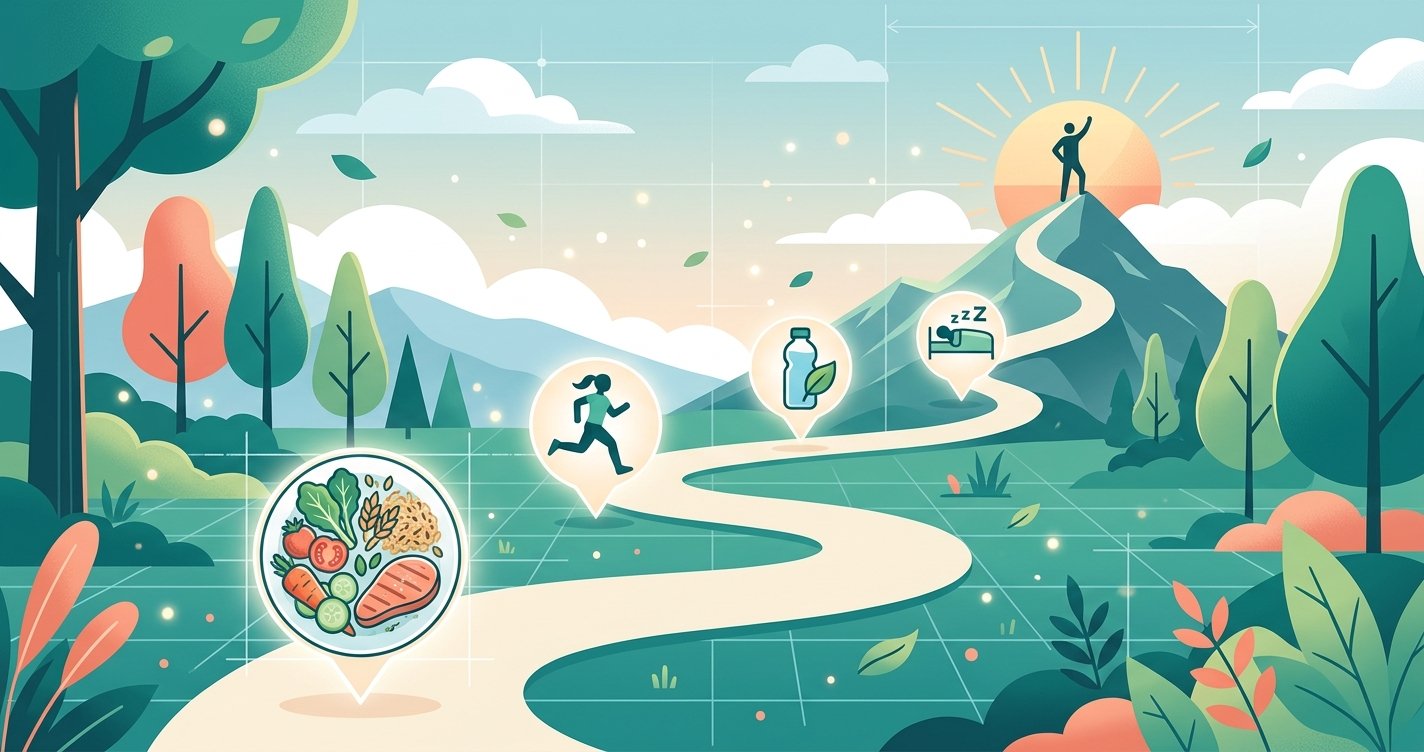
Are you tired of quick-fix diets that promise the world but deliver only frustration? Do you dream of a fat loss journey that feels manageable, healthy, and actually sticks? You're in the right place! Today, we're diving deep into the most fundamental, evidence-based principle for shedding unwanted fat: the calorie deficit. But not just any deficit – we're talking about a sustainable one. This isn't about deprivation; it's about smart choices, understanding your body, and building habits that last a lifetime. Let's unlock the secret to lasting fat loss, together!
What Exactly *Is* a Calorie Deficit? (And Why It Matters)
Let's cut to the chase: if you want to lose fat, you must consume fewer calories than your body burns. This, my friend, is the definition of a calorie deficit. Think of your body as a car. Calories are the fuel. If you put in more fuel than you use, the excess gets stored (as fat, primarily). If you put in less fuel than you use, your body has to tap into its stored energy reserves (again, primarily fat) to make up the difference. this excellent wellness product
It sounds simple, and in principle, it is. However, the fitness industry often overcomplicates it with magical diets, specific foods, or unique timing strategies that claim to bypass this fundamental law of thermodynamics. While diet quality, macronutrient timing, and food choices absolutely impact your health, satiety, and ability to *stick* to a deficit, they don't negate the need for the deficit itself. The science is clear: a calorie deficit is the non-negotiable cornerstone of fat loss.
Finding Your "Sweet Spot": Calculating Your Calorie Needs
So, how do you figure out how many calories your body burns, and thus, how many you should aim for to create that deficit? It starts with understanding two key terms:
- Basal Metabolic Rate (BMR): This is the number of calories your body burns just to perform basic, life-sustaining functions (like breathing, circulation, and cell production) while at rest.
- Total Daily Energy Expenditure (TDEE): This is your BMR plus the calories you burn through all daily activities – from walking to work, exercising, digesting food, and even fidgeting.
You can find numerous online calculators (search for "TDEE calculator") that use formulas like Mifflin-St Jeor or Harris-Benedict, along with your age, sex, height, weight, and activity level, to give you an estimated TDEE. This is your starting point!
To create a sustainable calorie deficit for fat loss, aim to consume approximately 300-500 calories below your estimated TDEE. For example, if your TDEE is 2,500 calories, you might aim for 2,000-2,200 calories per day. This moderate deficit is key for sustainability. A larger deficit might lead to faster initial weight loss, but it often comes with extreme hunger, nutrient deficiencies, muscle loss, and a higher risk of burnout and rebound weight gain. Remember, this is a marathon, not a sprint!
Fueling Your Body Smartly: Nutrition Strategies for a Sustainable Deficit
A calorie deficit doesn't mean eating less of everything; it means eating smarter. Focusing on nutrient-dense foods will keep you full, energized, and provide the vitamins and minerals your body needs, even while in a deficit.
Protein Power: Your Satiety Superpower
Protein is your best friend during fat loss. Why? It's incredibly satiating, meaning it keeps you feeling fuller for longer, which helps curb cravings. It also has a higher thermic effect of food (TEF) compared to carbs or fats, meaning your body burns more calories just to digest it. Most importantly, adequate protein intake is crucial for preserving lean muscle mass while you're losing fat. Aim for around 1.6-2.2 grams of protein per kilogram of body weight. Think lean meats, poultry, fish, eggs, dairy, and plant-based options like legumes and tofu.
Fiber Feast: Fill Up on Goodness
Foods rich in fiber – vegetables, fruits, and whole grains – are another secret weapon for satiety. Fiber adds bulk to your meals, slowing down digestion and helping you feel full without adding a ton of calories. Plus, these foods are packed with essential vitamins, minerals, and antioxidants, supporting overall health. Load up your plate with colorful veggies, choose berries and apples for snacks, and opt for oats, quinoa, or brown rice over refined grains.
Healthy Fats: Essential (in Moderation)
Fats are essential for hormone production, nutrient absorption, and overall health. They also contribute to satiety. However, fats are calorie-dense (9 calories per gram compared to 4 for protein and carbs), so moderation is key. Focus on healthy sources like avocados, nuts, seeds, olive oil, and fatty fish (like salmon) in controlled portions.
Hydration: Don't Forget the Water!
Often overlooked, staying well-hydrated is vital. Sometimes, our bodies confuse thirst with hunger. Drinking plenty of water throughout the day can help manage appetite, support metabolic processes, and keep you feeling good. Aim for at least 8 glasses a day, and even more if you're active.
Beyond the Plate: Lifestyle Factors Supporting Your Deficit
While nutrition is paramount, a holistic approach to fat loss includes other vital lifestyle components that enhance your results and well-being.
Strength Training: Build and Preserve Muscle
Incorporating resistance training 2-4 times a week is non-negotiable for sustainable fat loss. It helps you preserve (and even build) muscle mass while in a calorie deficit. More muscle means a higher resting metabolism, which means your body burns more calories even when you're just sitting around. Plus, it shapes your body, making you look and feel stronger and more toned.
Cardio: Boost Your Burn and Health
While not strictly necessary for fat loss (a deficit is), cardiovascular exercise can significantly contribute to your daily calorie expenditure. It also offers incredible benefits for heart health, mood, and endurance. Find activities you enjoy – walking, jogging, cycling, swimming, dancing – and aim for at least 150 minutes of moderate-intensity cardio per week.
Sleep: The Unsung Hero of Fat Loss
Seriously, don't underestimate sleep! Lack of sleep wreaks havoc on your hormones, specifically ghrelin (the hunger hormone) and leptin (the satiety hormone). When you're sleep-deprived, ghrelin levels rise, making you feel hungrier, while leptin levels drop, making it harder to feel full. Aim for 7-9 hours of quality sleep per night to keep your hormones balanced and your cravings in check.
Stress Management: Tame Cortisol
Chronic stress can elevate cortisol levels, a hormone that, among other things, can promote fat storage, especially around the midsection. Stress also often leads to emotional eating. Incorporate stress-reducing activities into your routine, such as meditation, yoga, deep breathing exercises, spending time in nature, or hobbies you enjoy. A calm mind supports a healthy body.
Listening to Your Body: Adjusting and Overcoming Plateaus
Your body is incredibly adaptive. As you lose weight, your TDEE will naturally decrease because there's less of you to move around. This is why you might hit a plateau even if you're sticking to your initial calorie target. Don't get discouraged! This is a normal part of the process.
- Re-evaluate: Re-calculate your TDEE every few weeks or months.
- Adjust: You might need to slightly decrease your calorie intake further (by another 100-200 calories) or increase your activity level.
- Track Progress Beyond the Scale: The scale is just one metric. Pay attention to how your clothes fit, take progress photos, measure inches, and note improvements in strength and energy levels. Muscle gain can mask fat loss on the scale.
- Be Patient and Consistent: Sustainable fat loss takes time. Trust the process, stay consistent with your deficit, and make healthy lifestyle choices.
Your Sustainable Fat Loss Journey Starts Now!
Understanding and consistently applying the principle of a sustainable calorie deficit is the most powerful tool you have for lasting fat loss. It's not about being perfect, but about being consistent, making informed choices, and being kind to yourself along the way. Focus on nutrient-dense foods, prioritize protein and fiber, move your body, get enough sleep, and manage stress. This holistic approach will not only help you shed fat but also build a healthier, stronger, and more vibrant you. You've got this!