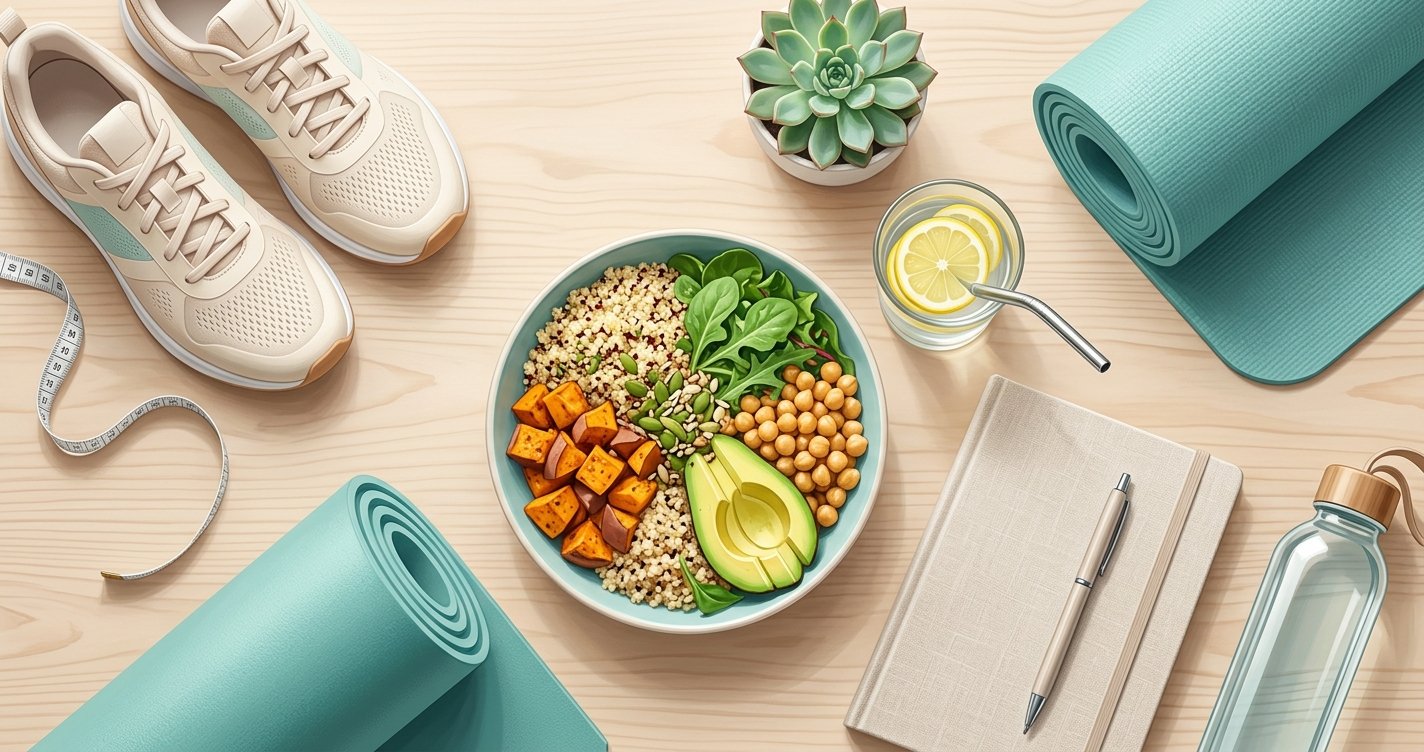
Are you tired of the endless cycle of restrictive diets, intense workouts that you can't maintain, and the crushing disappointment when the weight inevitably creeps back on? You're not alone. In a world obsessed with quick fixes and dramatic transformations, it's easy to get caught up in promises that rarely deliver long-term results.
But what if there was a better way? A path to fat loss that doesn't involve deprivation or extreme measures, but rather a balanced, sustainable approach that integrates seamlessly into your life? The good news is, there is! This guide will walk you through the evidence-based principles of achieving lasting fat loss by building a healthy, balanced lifestyle. this excellent wellness product
The Myth of the Quick Fix: Why Fad Diets Fail
Before we dive into what works, let's understand why most fad diets and extreme protocols don't. While they might offer rapid initial weight loss, this often comes at the cost of muscle mass, water, and your sanity. These diets are typically:
- Too Restrictive: Eliminating entire food groups or drastically cutting calories leads to cravings, nutritional deficiencies, and a feeling of deprivation that's impossible to maintain.
- Unsustainable: Their rules are often incompatible with social life, family meals, or simply enjoying food. This leads to burnout and inevitably, falling off the wagon.
- Focus on Short-Term: They don't teach you healthy eating habits or lifestyle changes; they merely provide a temporary set of rules. Once the 'diet' is over, most people revert to old habits.
- Metabolic Damage (Misconception): While 'metabolic damage' is largely a myth, severe calorie restriction can slow your metabolism temporarily as your body tries to conserve energy, making it harder to maintain weight loss.
The key to lasting success isn't about dieting harder; it's about living smarter.
Understanding the Core Principle: The Calorie Deficit
At its heart, fat loss boils down to one fundamental principle: consuming fewer calories than your body expends. This creates a 'calorie deficit,' forcing your body to tap into its stored fat reserves for energy. It's simple math, but the art lies in achieving this deficit in a way that is healthy, enjoyable, and sustainable.
Instead of drastic cuts, we'll focus on making smart choices that naturally lead to a moderate deficit without feeling deprived. This means prioritizing nutrient-dense foods, managing portion sizes, and increasing your daily activity.
Fueling Your Body Right: Nutrition for Sustainable Fat Loss
Your plate is your most powerful tool. Focusing on whole, unprocessed foods will not only help you achieve a calorie deficit but also nourish your body, boost your energy, and improve your overall health.
Prioritize Protein: The Satiety & Muscle Protector
Protein is your best friend when it comes to fat loss. It's incredibly satiating, meaning it keeps you feeling fuller for longer, reducing the urge to snack unnecessarily. More importantly, it helps preserve your precious muscle mass during a calorie deficit, which is crucial because muscle burns more calories at rest than fat.
- Benefits: Increased satiety, muscle preservation, higher thermic effect (your body burns more calories digesting protein).
- Sources: Lean meats (chicken, turkey, beef), fish, eggs, dairy (Greek yogurt, cottage cheese), legumes (lentils, beans), tofu, tempeh, protein powder.
Embrace Complex Carbs & Healthy Fats: Energy & Essential Nutrients
Don't fall into the trap of demonizing carbs or fats! Both are essential for optimal health and energy. The key is choosing the right types and appropriate portions.
- Complex Carbs: Provide sustained energy, fiber, and essential nutrients. Think whole grains (oats, brown rice, quinoa), fruits, and vegetables.
- Healthy Fats: Crucial for hormone production, nutrient absorption, and satiety. Include avocados, nuts, seeds, olive oil, and fatty fish.
The Power of Fiber: Fullness & Gut Health
Fiber-rich foods add bulk to your meals without adding many calories, contributing significantly to feelings of fullness. They also support a healthy digestive system, which is increasingly linked to overall health and weight management.
- Benefits: Enhanced satiety, stable blood sugar, improved digestion.
- Sources: All fruits and vegetables, whole grains, legumes, nuts, and seeds.
Hydration is Key: Don't Forget Water!
Often overlooked, adequate water intake is vital for fat loss. It supports metabolism, helps with satiety (sometimes thirst is mistaken for hunger), and is crucial for every bodily function.
- Tip: Aim for 8-10 glasses a day. Keep a water bottle handy and sip throughout the day.
Moving Your Body: Exercise for More Than Just Burning Calories
While nutrition is paramount for fat loss, exercise is the perfect complement. It doesn't just burn calories; it builds muscle, boosts metabolism, improves mood, and enhances overall health.
Strength Training: Your Metabolism's Best Friend
Lifting weights is not just for bodybuilders! It's incredibly effective for fat loss because it builds muscle mass. More muscle means a higher resting metabolic rate, meaning your body burns more calories even when you're just sitting around. It also helps sculpt your body and improve bone density.
- Aim: 2-4 sessions per week, focusing on compound movements (squats, deadlifts, presses).
Cardio: Heart Health & Calorie Expenditure
Cardiovascular exercise is excellent for burning calories, improving heart health, and boosting endurance. Don't feel like you need to run marathons; even brisk walking, cycling, swimming, or dancing counts!
- Aim: 150-300 minutes of moderate-intensity cardio per week, or 75-150 minutes of vigorous-intensity.
NEAT: The Unsung Hero of Daily Activity
NEAT (Non-Exercise Activity Thermogenesis) refers to the calories you burn doing everyday activities that aren't formal exercise – walking, fidgeting, gardening, taking the stairs. Increasing your NEAT can significantly contribute to your daily calorie expenditure without feeling like a workout.
- Tips: Take the stairs, park further away, stand more, walk during phone calls, do chores actively.
Beyond Diet and Exercise: The Holistic Pillars of Fat Loss
Fat loss isn't just about what you eat and how you move; it's deeply intertwined with your overall lifestyle. Neglecting these crucial areas can sabotage even the best nutrition and exercise plans.
Sleep: Your Body's Repair & Regulate Cycle
Lack of sleep can wreak havoc on your fat loss efforts. It disrupts hormones that regulate hunger (ghrelin) and satiety (leptin), making you feel hungrier and less satisfied. It also increases cortisol, a stress hormone linked to belly fat storage.
- Aim: 7-9 hours of quality sleep per night.
- Tips: Establish a consistent sleep schedule, create a relaxing bedtime routine, ensure your bedroom is dark, quiet, and cool.
Stress Management: Taming the Cortisol Beast
Chronic stress triggers the release of cortisol, which not only impacts sleep but can also promote fat storage, particularly around the midsection. Finding healthy ways to manage stress is vital for both your mental and physical well-being.
- Techniques: Meditation, yoga, spending time in nature, hobbies, deep breathing exercises, journaling, connecting with loved ones.
Mindful Eating: Reconnecting with Your Body
Mindful eating isn't a diet; it's a practice of paying attention to your food, your hunger and fullness cues, and the experience of eating. It helps you avoid overeating due to distraction or emotional triggers.
- Practice: Eat slowly, savor each bite, put down your fork between mouthfuls, pay attention to hunger and satiety signals, avoid distractions like TV or phones.
Building Sustainable Habits: Consistency Over Perfection
The journey to sustainable fat loss is not a sprint; it's a marathon. It's about making small, consistent changes that you can stick with for life, rather than striving for fleeting perfection.
- Be Patient: Fat loss is rarely linear. There will be ups and downs. Focus on the long game.
- Celebrate Small Wins: Acknowledge every healthy choice you make, not just the numbers on the scale.
- Learn and Adjust: If something isn't working, don't give up. Evaluate, learn, and adjust your approach.
- Seek Support: Whether it's a friend, family member, or a professional, having support can make a huge difference.
Your Journey Starts Now: Embrace the Balanced Approach
Sustainable fat loss isn't about deprivation; it's about abundance – an abundance of energy, health, and confidence. By focusing on whole foods, consistent movement, quality sleep, and stress management, you're not just losing fat; you're building a healthier, happier, and more resilient you.
Ditch the quick fixes and embrace the power of a balanced lifestyle. Your body, mind, and future self will thank you for it. Start today, one healthy choice at a time!