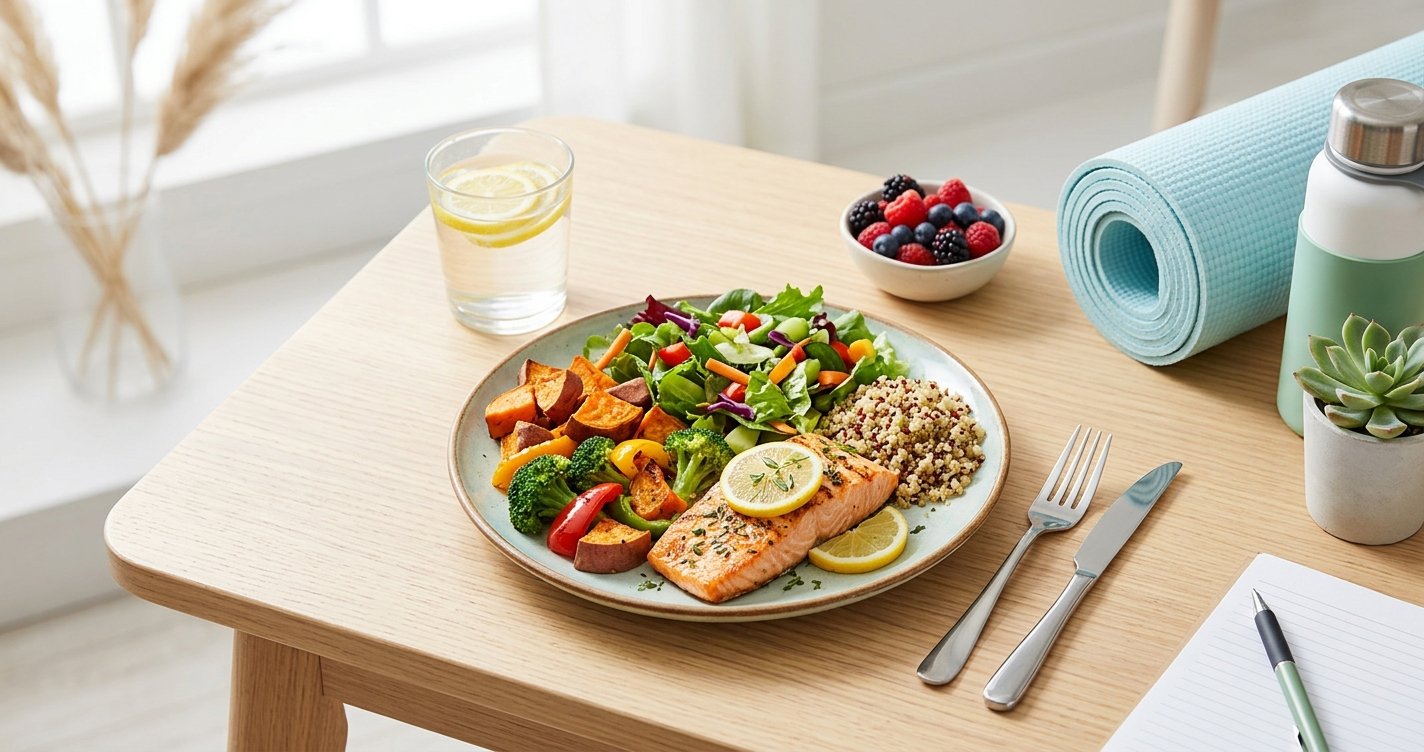
Tired of the endless cycle of restrictive diets, quick fixes, and the inevitable rebound? You're not alone. In a world saturated with promises of rapid weight loss, it's easy to get caught up in approaches that ultimately leave you feeling frustrated and defeated. But what if we told you there's a better way? A path to lasting, healthy fat loss that doesn't involve deprivation, but rather empowerment?
This isn't about the next trendy diet; it's about embracing a holistic, evidence-based approach to sustainable fat loss. We'll explore how balanced nutrition, consistent movement, quality sleep, and mindful living can transform your body and your relationship with food, leading to results that stick. Get ready to ditch the quick fixes and embark on a journey towards a healthier, happier you! this excellent wellness product
The Foundation: Understanding Your Calorie Deficit for Sustainable Fat Loss
At its core, fat loss boils down to one fundamental principle: consuming fewer calories than your body expends. This is known as a calorie deficit. While it sounds simple, the key to sustainable fat loss lies in creating a deficit that is both effective and healthy, avoiding extreme restrictions that can backfire.
What is a Calorie Deficit and Why Does it Matter?
Imagine your body as a car. Calories are its fuel. If you put less fuel in than the car uses, it will eventually tap into its reserves (stored fat) to keep going. A moderate calorie deficit signals your body to use these fat stores for energy. Too large a deficit, however, can lead to muscle loss, nutrient deficiencies, and a plummeting metabolism, making long-term success incredibly difficult.
Creating a Healthy, Manageable Deficit
Instead of drastic cuts, aim for a gradual, sustainable deficit of 300-500 calories per day. This approach allows your body to adapt without feeling starved, preserving muscle mass and supporting your metabolism. You can achieve this by making smarter food choices, controlling portion sizes, and increasing your physical activity. Remember, consistency over severity is your best friend here.
Fueling Your Body Right: The Power of Balanced Nutrition
Nutrition isn't just about cutting calories; it's about nourishing your body with the right building blocks. A balanced diet is crucial for energy, satiety, and supporting the physiological processes involved in fat loss.
Prioritize Protein for Satiety and Muscle Preservation
- Keeps You Full: Protein is the most satiating macronutrient, meaning it helps you feel fuller for longer, reducing overall calorie intake.
- Supports Muscle: During a calorie deficit, adequate protein intake is vital for preserving lean muscle mass, which is metabolically active and helps burn more calories even at rest.
- Boosts Metabolism: Protein has a higher thermic effect of food (TEF) than carbs or fats, meaning your body burns more calories digesting it.
Aim for a protein source at every meal. Excellent options include lean meats (chicken, turkey), fish (salmon, cod), eggs, Greek yogurt, legumes (beans, lentils), and plant-based proteins like tofu and tempeh.
Don't Fear Healthy Carbs and Fats
Carbohydrates and fats have often been demonized in various diet trends, but they are essential for your health and energy levels. The key is choosing the right types and quantities.
- Complex Carbohydrates: Provide sustained energy and fiber, which aids digestion and promotes fullness. Focus on whole grains (oats, quinoa, brown rice), fruits, and a rainbow of vegetables.
- Healthy Fats: Crucial for hormone production, nutrient absorption, and satiety. Incorporate sources like avocados, nuts, seeds, olive oil, and fatty fish. These fats help keep you satisfied and support overall health.
The emphasis should always be on whole, unprocessed foods. These are packed with nutrients, fiber, and water, which naturally help you feel fuller on fewer calories.
The Magic of Fiber and Hydration
Fiber is a true unsung hero in fat loss. Found in fruits, vegetables, whole grains, and legumes, fiber adds bulk to your meals, slows digestion, and helps regulate blood sugar, preventing energy crashes and cravings. Pair this with ample water intake, which is essential for every bodily function, including metabolism, and you have a powerful duo for supporting your fat loss journey.
Moving Your Body: Exercise for More Than Just Burning Calories
While nutrition is paramount, incorporating physical activity amplifies your fat loss efforts and offers a wealth of health benefits beyond just burning calories. It's about building strength, boosting mood, and enhancing overall well-being.
Embrace Strength Training: Your Fat Loss Superpower
If you're serious about sustainable fat loss, strength training should be a non-negotiable. Building muscle helps you:
- Boost Metabolism: Muscle tissue burns more calories at rest than fat tissue, meaning more muscle equals a higher resting metabolic rate.
- Shape Your Body: Strength training helps sculpt your physique, giving you a toned and strong appearance as you lose fat.
- Improve Bone Density: A crucial benefit for long-term health.
Don't worry about 'bulking up' – especially for women. Focus on progressive overload (gradually increasing weight or reps) with compound movements like squats, deadlifts, presses, and rows 2-4 times a week.
Incorporate Consistent Cardiovascular Activity
Cardio is excellent for heart health, improving endurance, and burning calories. It complements strength training beautifully. Find activities you enjoy, whether it's brisk walking, jogging, cycling, swimming, dancing, or hiking. Aim for 150-300 minutes of moderate-intensity cardio per week, breaking it up into manageable sessions.
The Power of NEAT (Non-Exercise Activity Thermogenesis)
NEAT refers to the calories you burn through everyday activities that aren't formal exercise – walking, standing, fidgeting, taking the stairs. These small movements add up significantly over the day and week, contributing to your overall calorie expenditure. Look for opportunities to move more: park further away, take the stairs, walk during phone calls, or set a timer to stand up and stretch every hour.
Beyond Diet and Exercise: The Crucial Lifestyle Factors
Sustainable fat loss isn't just about what you eat and how much you move. It's deeply intertwined with your overall lifestyle, including sleep, stress, and mental well-being. Neglecting these areas can sabotage even the most diligent diet and exercise plans.
Sleep Your Way to a Slimmer Self
Lack of sleep can wreak havoc on your hormones, making fat loss a significant uphill battle. Poor sleep:
- Increases Ghrelin: The 'hunger hormone,' leading to increased appetite.
- Decreases Leptin: The 'satiety hormone,' making it harder to feel full.
- Elevates Cortisol: The 'stress hormone,' which promotes fat storage, especially around the belly.
Aim for 7-9 hours of quality sleep per night. Establish a consistent sleep schedule, create a relaxing bedtime routine, and optimize your sleep environment for darkness and quiet.
Mastering Stress for Sustainable Fat Loss
Chronic stress triggers the release of cortisol, which not only promotes fat storage but can also increase cravings for high-calorie, comfort foods. Finding healthy ways to manage stress is vital for your physical and mental health.
Explore stress-reduction techniques like meditation, deep breathing exercises, yoga, spending time in nature, engaging in hobbies, or connecting with loved ones. Prioritizing self-care isn't a luxury; it's a necessity for sustainable well-being and fat loss.
The Importance of Mindful Eating and Habit Building
Mindful eating involves paying attention to your food, savoring each bite, and listening to your body's hunger and fullness cues. This helps prevent overeating and fosters a healthier relationship with food. Eating slowly, without distractions, allows your brain time to register satiety.
Sustainable fat loss is also about building small, consistent habits that become second nature. Instead of drastic overhauls, focus on one or two small changes at a time, like drinking water before meals or going for a 15-minute walk after dinner. These habits accumulate into significant long-term results.
Sustainable Strategies for Long-Term Success
The journey to sustainable fat loss is a marathon, not a sprint. It requires patience, consistency, and a flexible mindset. Here are some strategies to help you stay on track for the long haul.
Track Progress, Not Just Weight
The scale can be a useful tool, but it doesn't tell the whole story. Weight fluctuates daily due to water retention, muscle gain, and other factors. Instead, focus on a variety of progress indicators:
- Body Measurements: Waist, hips, arms, thighs.
- Progress Photos: A powerful visual reminder of your transformation.
- How Your Clothes Fit: Often the first sign of change.
- Energy Levels and Mood: Improved vitality is a key indicator of health.
- Strength Gains: Lifting heavier or performing more reps.
Celebrate these 'non-scale victories' to maintain motivation.
Flexibility and Adaptability are Key
Life happens. There will be holidays, social events, and days when your routine gets disrupted. Don't let a single 'slip-up' derail your entire journey. Learn to be flexible, make the best choices you can in the moment, and get right back on track with your healthy habits the next day. Perfection is not the goal; consistency and resilience are.
Seek Support and Celebrate Milestones
You don't have to do this alone. Share your goals with a supportive friend or family member, join an online community, or consider working with a coach. Having accountability and encouragement can make a huge difference. And don't forget to celebrate your milestones, big or small! Acknowledging your hard work reinforces positive behaviors and keeps you motivated.
Conclusion: Embrace Your Journey to Lasting Change
Sustainable fat loss isn't about chasing fleeting trends or punishing your body. It's about empowering yourself with knowledge, embracing balanced nutrition, consistent movement, quality sleep, and effective stress management. It’s a journey of self-discovery, building healthy habits, and fostering a positive relationship with your body and mind.
By focusing on these holistic principles, you're not just losing weight; you're building a stronger, healthier, and happier you for life. Ditch the deprivation, embrace the balance, and start creating lasting change today. Your body, and your future self, will thank you.