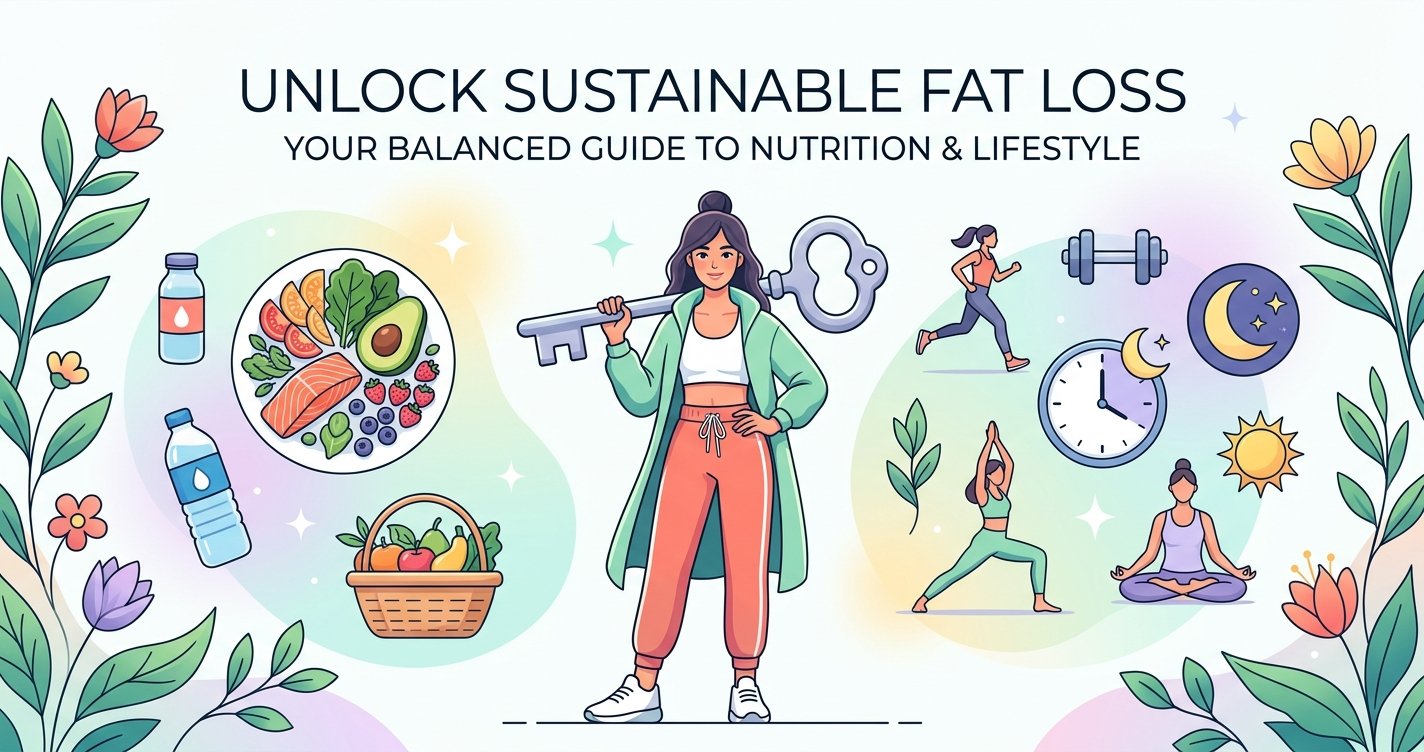
Unlock Sustainable Fat Loss: Your Balanced Guide to Nutrition & Lifestyle
Are you tired of the endless cycle of restrictive diets, quick fixes, and the frustration of seeing the scale bounce back? You're not alone. Many people embark on a fat loss journey with high hopes, only to be met with disappointment because the methods aren't, well, sustainable. But what if there was a way to achieve lasting results without feeling deprived, constantly hungry, or burnt out?
The good news is, there is. Sustainable fat loss isn't about radical overhauls or miserable restrictions; it's about adopting a balanced, holistic approach that integrates healthy nutrition with positive lifestyle changes. This guide will empower you with evidence-based strategies to transform your body and mind, helping you shed fat for good and cultivate a healthier, happier you. this excellent wellness product
Beyond the Diet Hype: Understanding Sustainable Fat Loss
Before we dive into the 'how,' let's understand the 'why.' Quick-fix diets often promise rapid results by drastically cutting calories or eliminating entire food groups. While you might see initial weight drop, these methods are rarely maintainable. They can lead to nutrient deficiencies, metabolic slowdown, muscle loss (not just fat!), and a strained relationship with food. The moment you return to 'normal' eating, the weight often comes rushing back, sometimes with extra.
Sustainable fat loss, on the other hand, focuses on gradual, consistent progress that prioritizes your overall health and well-being. It's about creating habits you can stick with for life, rather than temporary fixes. This approach leads to true body recomposition, where you lose fat while preserving or even building muscle, resulting in a healthier, more toned physique.
The Calorie Deficit: Your Foundation, Not Your Only Tool
At its core, fat loss requires a calorie deficit – consuming fewer calories than your body burns. This forces your body to tap into its stored fat reserves for energy. However, a sustainable deficit isn't about starving yourself. It's about finding a moderate deficit (typically 300-500 calories below your maintenance level) that allows for consistent fat loss without compromising your energy, mood, or nutrient intake. Focusing on nutrient-dense foods helps you achieve this deficit without feeling constantly hungry.
The Power Plate: Mastering Balanced Nutrition for Fat Loss
Your plate is your most powerful tool in your sustainable fat loss journey. It's not about cutting out foods but optimizing your choices to fuel your body efficiently, keep you satiated, and support your metabolism.
Protein: Your Fat Loss Ally
Protein is king when it comes to fat loss. It's highly satiating, meaning it keeps you feeling fuller for longer, reducing the likelihood of overeating. Furthermore, protein has a higher thermic effect of food (TEF) than carbs or fats, meaning your body burns more calories digesting it. Crucially, adequate protein intake helps preserve lean muscle mass during a calorie deficit, which is vital for maintaining a healthy metabolism. Aim for a protein source with every meal.
- Sources: Lean meats (chicken, turkey), fish (salmon, cod), eggs, Greek yogurt, cottage cheese, legumes (lentils, beans), tofu, tempeh.
Smart Carbs: Fueling Your Body, Not Storing Fat
Carbohydrates have unfairly gotten a bad rap in some diet cultures. The truth is, complex carbohydrates are essential for sustained energy, fiber intake, and overall health. The key is to differentiate between refined, processed carbs (white bread, sugary drinks) and nutrient-rich, complex carbs.
- Sources: Whole grains (oats, quinoa, brown rice, whole wheat bread), fruits (berries, apples, bananas), and a rainbow of vegetables (broccoli, spinach, sweet potatoes). These provide fiber, which aids digestion and promotes satiety.
Healthy Fats: Essential for Hormones and Satiety
Don't fear fats! Healthy fats are crucial for hormone production, nutrient absorption, and provide a significant source of energy. They also contribute to satiety, making your meals more satisfying. The trick is to choose wisely and consume in moderation, as fats are calorie-dense.
- Sources: Avocados, nuts (almonds, walnuts), seeds (chia, flax, sunflower), olive oil, fatty fish (salmon, mackerel).
Hydration: The Unsung Hero
Often overlooked, proper hydration plays a vital role in fat loss. Water supports metabolic processes, helps transport nutrients, and can even help you feel fuller, reducing the urge to snack unnecessarily. Aim for at least 8 glasses of water a day, more if you're active.
Move Your Body, Nourish Your Soul: The Role of Lifestyle
While nutrition lays the groundwork, your lifestyle choices are the concrete that builds a robust, healthy foundation for sustainable fat loss.
Strength Training: Build Muscle, Boost Metabolism
Contrary to popular belief, strength training isn't just for bodybuilders. It's perhaps the most effective exercise for fat loss and body recomposition. Building muscle increases your resting metabolic rate, meaning you burn more calories even when you're not exercising. Plus, it shapes your body, improves bone density, and boosts confidence. Don't worry about 'getting bulky' – that takes a specific training and diet regimen most people won't accidentally achieve.
Cardio: Heart Health and Calorie Burn
Cardiovascular exercise complements strength training by improving heart health, boosting endurance, and contributing to your calorie deficit. Whether it's brisk walking, jogging, cycling, swimming, or dancing, find an activity you enjoy and incorporate it regularly. Both low-intensity steady-state (LISS) and high-intensity interval training (HIIT) have their benefits; choose what fits your fitness level and preferences.
Sleep: The Forgotten Pillar of Fat Loss
Lack of sleep can sabotage your fat loss efforts significantly. Poor sleep disrupts hormones that regulate hunger (ghrelin increases, leptin decreases), making you feel hungrier and less satisfied. It also elevates cortisol, a stress hormone linked to increased belly fat storage. Aim for 7-9 hours of quality sleep per night.
Stress Management: Taming the Cortisol Beast
Chronic stress also leads to elevated cortisol levels, which can promote fat storage, especially around the midsection. Finding healthy ways to manage stress is crucial. This could include meditation, yoga, spending time in nature, engaging in hobbies, or simply setting aside time for relaxation. Prioritizing mental well-being is a non-negotiable part of sustainable fat loss.
Building Sustainable Habits: Practical Tips for Long-Term Success
Sustainable fat loss isn't about perfection; it's about consistency and making small, manageable changes that add up over time.
- Meal Planning & Prep: Take time each week to plan your meals and prepare some components in advance. This reduces decision fatigue and the likelihood of reaching for unhealthy options when hunger strikes.
- Mindful Eating: Pay attention to your body's hunger and fullness cues. Eat slowly, savor your food, and avoid distractions like screens. This helps you recognize when you're satisfied, preventing overeating.
- Track Progress, Not Just the Scale: The scale is just one metric. Also, pay attention to how your clothes fit, your energy levels, strength gains, and overall mood. Muscle weighs more than fat, so the scale might not always reflect positive body composition changes.
- Seek Support: Share your goals with a trusted friend, family member, or join a supportive community. Accountability can be a powerful motivator.
- Be Patient and Kind to Yourself: Fat loss is a journey with ups and downs. There will be days you don't stick to your plan perfectly, and that's okay. Learn from it, adjust, and get back on track. Self-compassion is key to long-term success.
Conclusion
Sustainable fat loss is not a sprint; it's a marathon towards a healthier, more vibrant you. By embracing a balanced approach to nutrition, incorporating regular movement, prioritizing sleep, and managing stress, you're not just losing weight – you're building a foundation for lifelong health and well-being. Ditch the quick fixes and embrace the power of sustainable change. Your body, mind, and future self will thank you for it. Start your balanced journey today!