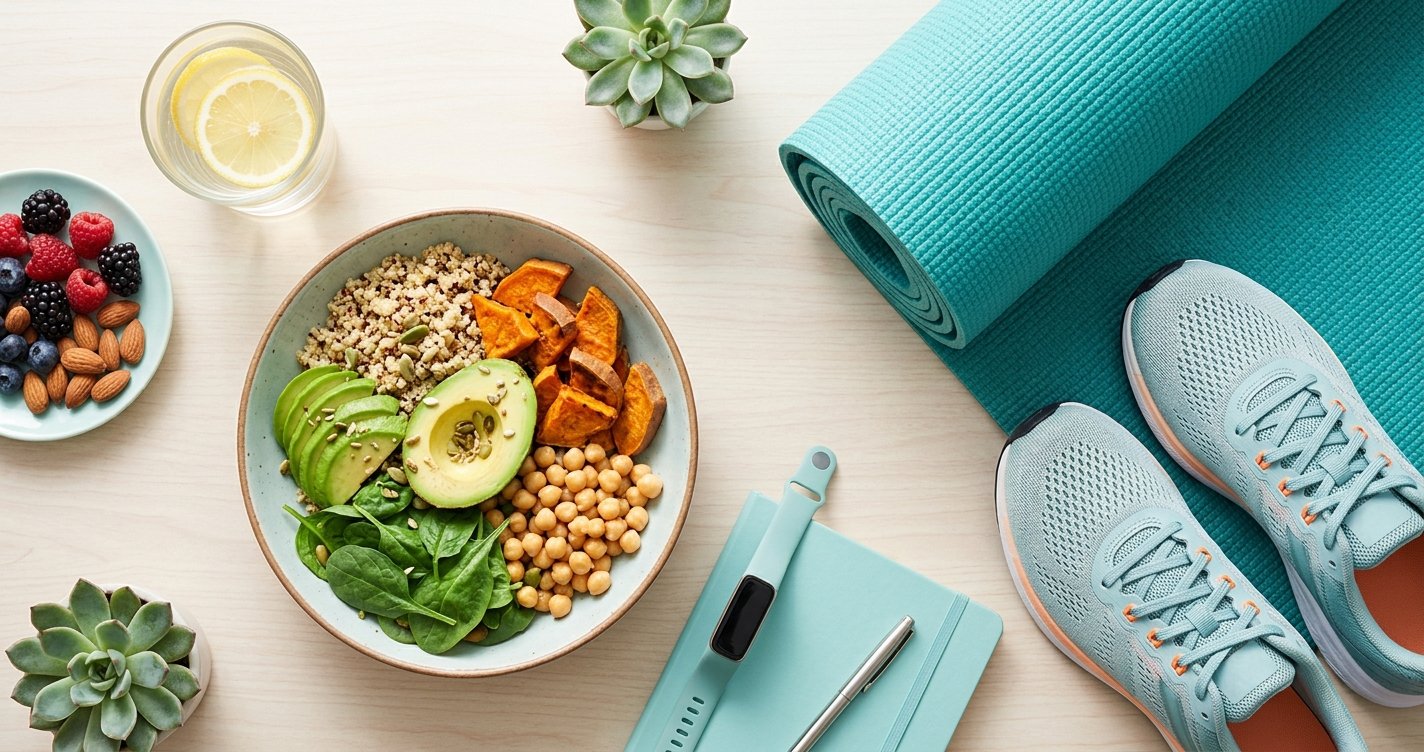
Are you tired of the endless cycle of restrictive diets, quick fixes, and the frustration of seeing the scale yo-yo? You're not alone. Many people embark on a fat loss journey with high hopes, only to find themselves burnt out and back to square one. The truth is, sustainable fat loss isn't about deprivation; it's about creating lasting, healthy habits that nourish your body and mind.
This comprehensive guide will empower you to move beyond temporary solutions and embrace a holistic approach to fat loss. We'll explore evidence-based strategies focusing on balanced nutrition and crucial lifestyle changes, helping you build a foundation for long-term success, improved health, and a happier you. Let's ditch the diet mentality and discover a path to feeling your best, inside and out. this excellent wellness product
The Foundation: Understanding Sustainable Fat Loss
Before we dive into the 'how,' it's crucial to understand the 'what' and 'why' behind sustainable fat loss. This isn't just about dropping pounds; it's about improving body composition and overall well-being.
Beyond the Scale: Why "Fat Loss" Trumps "Weight Loss"
Often, people focus solely on the number on the scale. However, "weight loss" can include water, muscle, and fat. True fat loss specifically targets excess body fat while preserving precious muscle mass. Muscle is metabolically active, meaning it burns more calories at rest than fat, making it a key player in maintaining a healthy metabolism long-term. Sustainable strategies prioritize fat loss to improve health markers and body composition.
The Energy Balance Equation: Calories In vs. Calories Out (Simplified)
At its core, fat loss hinges on creating a consistent, modest calorie deficit. This means consuming slightly fewer calories than your body expends. However, it's not just about eating less; it's about eating smarter. While a deficit is necessary, the quality of your calories profoundly impacts your satiety, energy levels, and nutrient intake. A small, consistent deficit (around 300-500 calories per day) is generally recommended for sustainable and healthy fat loss, avoiding the extreme restrictions that often backfire.
Fueling Your Body Right: Nutrition Strategies for Success
Your plate is your most powerful tool in the fat loss journey. Focusing on nutrient-dense foods will keep you feeling full, energized, and satisfied, making the process much more enjoyable and sustainable.
The Power of Protein: Building Blocks for Fat Loss
Protein is your secret weapon. It's incredibly satiating, helping you feel fuller for longer and reducing cravings. Moreover, adequate protein intake is crucial for preserving muscle mass during a calorie deficit, and it has a higher thermic effect of food (TEF), meaning your body burns more calories digesting it compared to fats or carbs.
- Lean Meats: Chicken breast, turkey, lean beef
- Fish: Salmon, tuna, cod
- Eggs: Whole eggs are packed with nutrients
- Dairy: Greek yogurt, cottage cheese
- Legumes: Lentils, beans (also great for fiber!)
- Plant-based: Tofu, tempeh, edamame
Embrace Fiber: Your Gut's Best Friend
Fiber is another champion of satiety. It adds bulk to your meals, slows down digestion, and helps regulate blood sugar levels, preventing energy crashes and subsequent hunger pangs. Beyond fat loss, fiber is essential for gut health and overall well-being.
- Vegetables: Broccoli, spinach, carrots, bell peppers
- Fruits: Berries, apples, pears (with skin)
- Whole Grains: Oats, quinoa, brown rice, whole-wheat bread
- Legumes: Chickpeas, black beans, kidney beans
- Nuts & Seeds: Chia seeds, flax seeds, almonds
Smart Carb Choices: Quality Over Quantity
Carbohydrates are not the enemy! The key is to choose complex, whole carbohydrates over refined ones. Whole carbs provide sustained energy, fiber, and essential nutrients, while refined carbs (like white bread, sugary drinks, pastries) lead to quick energy spikes followed by crashes, often promoting overeating.
- Opt for: Whole grains (oats, quinoa), sweet potatoes, brown rice, fruits, and a wide variety of vegetables.
- Limit: Sugary cereals, white bread, pasta made from refined flour, sodas, and processed snacks.
Healthy Fats: Don't Fear Them!
While fats are calorie-dense, healthy fats are vital for hormone production, nutrient absorption, and satiety. Including moderate amounts of unsaturated fats can help you feel satisfied and support overall health.
- Avocados: Rich in monounsaturated fats
- Nuts & Seeds: Almonds, walnuts, chia seeds, flax seeds
- Olive Oil: Great for cooking and dressings
- Fatty Fish: Salmon, mackerel (omega-3 fatty acids)
Hydration Nation: Water's Role in Fat Loss
Often overlooked, adequate water intake is critical. Water aids metabolism, helps transport nutrients, and can even help you feel fuller. Sometimes, what feels like hunger is actually thirst. Aim for at least 8 glasses of water a day, more if you're active.
Beyond the Plate: Lifestyle Pillars for Lasting Change
Sustainable fat loss isn't just about what you eat; it's about how you live. Integrating these lifestyle habits will amplify your results and improve your overall quality of life.
Move Your Body: Smart Exercise for Fat Loss
While you can't out-train a bad diet, exercise plays a crucial role. Combining strength training with cardiovascular exercise is the most effective approach. Strength training builds and preserves muscle, boosting your metabolism, while cardio improves cardiovascular health and burns calories. Find activities you enjoy to ensure consistency!
- Strength Training: 2-3 times per week (weights, bodyweight, resistance bands).
- Cardio: 150 minutes of moderate-intensity or 75 minutes of vigorous-intensity per week (walking, jogging, cycling, swimming).
- NEAT: Non-Exercise Activity Thermogenesis – simply moving more throughout your day (taking stairs, walking while talking on the phone).
The Sleep Advantage: Rest for Results
Don't underestimate the power of a good night's sleep. Poor sleep disrupts hormones that regulate appetite (ghrelin and leptin), leading to increased hunger and cravings for unhealthy foods. It also elevates cortisol, a stress hormone linked to belly fat storage. Aim for 7-9 hours of quality sleep per night.
Tame the Stress Monster: Cortisol and Fat Storage
Chronic stress triggers the release of cortisol, which can promote fat storage, especially around the midsection. Finding healthy ways to manage stress is paramount for both mental well-being and fat loss. Techniques like meditation, yoga, spending time in nature, or engaging in hobbies can make a significant difference.
Mindful Eating: Connecting with Your Hunger Cues
Mindful eating involves paying attention to your food, recognizing hunger and fullness signals, and eating without distraction. This practice can help prevent overeating, improve digestion, and foster a healthier relationship with food.
- Eat slowly and savor each bite.
- Pay attention to the taste, texture, and smell of your food.
- Put down your fork between bites.
- Stop when you feel satisfied, not stuffed.
- Avoid eating in front of screens.
Consistency and Patience: The Unsung Heroes
The journey to sustainable fat loss is rarely linear. There will be good days and challenging days, plateaus, and breakthroughs. The most important ingredients for success are consistency and patience. Quick fixes promise rapid results but rarely deliver lasting change. Embrace the process, celebrate small victories, and remember that progress, not perfection, is the goal.
Your Journey Starts Now: Practical Tips to Begin
Ready to make a change? Here are some actionable steps to get you started on your sustainable fat loss journey:
- Start Small: Don't overhaul everything at once. Pick one or two habits to focus on each week.
- Track Progress: Beyond the scale, consider taking measurements, progress photos, or noting how your clothes fit.
- Plan Ahead: Meal prepping and planning your workouts can significantly increase consistency.
- Seek Support: Share your goals with friends, family, or a coach. Accountability can be a powerful motivator.
- Be Kind to Yourself: There will be slip-ups. Don't let one bad meal or missed workout derail your entire effort. Get back on track with compassion.
Conclusion
Sustainable fat loss is a journey of self-discovery, resilience, and consistent effort. By focusing on balanced nutrition, prioritizing protein and fiber, embracing smart carb and healthy fat choices, and integrating crucial lifestyle habits like exercise, sleep, and stress management, you're not just losing fat—you're building a healthier, happier, and more vibrant life. Remember, this is about progress, not perfection. Be patient, be persistent, and celebrate every step of your incredible transformation. Your sustainable success story starts today!