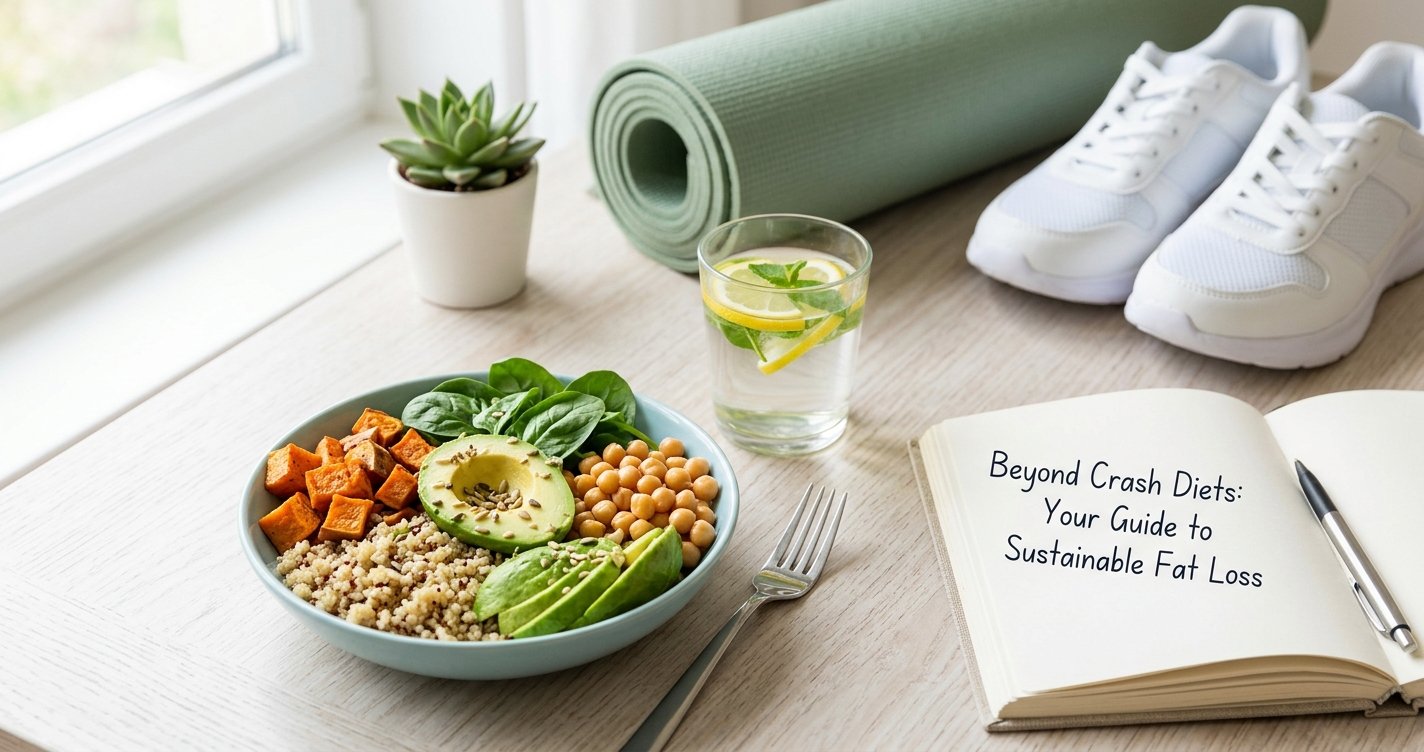
Beyond Crash Diets: Your Guide to Sustainable Fat Loss for Lasting Results
Are you tired of the yo-yo dieting cycle? The endless promises of quick fixes that leave you feeling deprived, frustrated, and often heavier than when you started? You're not alone. In a world obsessed with instant gratification, the concept of rapid weight loss often overshadows the crucial goal of sustainable fat loss. But what if there was a better way? A path that not only helps you shed unwanted fat but also improves your overall health, boosts your energy, and empowers you to maintain your results for good?
This isn't about restrictive eating plans or grueling workouts you dread. This is about understanding your body, building healthy habits, and fostering a mindset that supports long-term success. We're diving deep into sustainable fat loss strategies that go far beyond the temporary allure of crash diets. Get ready to transform your approach and discover a healthier, happier you. this excellent wellness product
The Vicious Cycle of Crash Diets: Why They Fail (and What to Do Instead)
Let's face it: crash diets are tempting. They promise fast results, often by drastically cutting calories or eliminating entire food groups. While you might see initial drops on the scale, these methods are rarely sustainable and often lead to a frustrating rebound. Here's why:
- Metabolic Slowdown: Your body is smart. When you severely restrict calories, it perceives starvation and slows down your metabolism to conserve energy. This makes it harder to lose fat and easier to regain it once you return to normal eating patterns.
- Muscle Loss: Rapid weight loss from crash diets often includes a significant amount of muscle mass, not just fat. Muscle is metabolically active, meaning it burns more calories at rest. Losing muscle further impairs your metabolism.
- Nutrient Deficiencies: Eliminating food groups can lead to a lack of essential vitamins and minerals, impacting your energy, mood, and overall health.
- Deprivation and Bingeing: Extreme restriction often leads to intense cravings and eventual binge eating, creating a guilt-ridden cycle that sabotages progress.
- Unrealistic and Unsustainable: Most crash diets are not designed for long-term adherence. They don't teach you how to eat healthily in real-world situations, making them impossible to stick with forever.
The solution? Shift your focus from rapid weight loss to sustainable fat loss – a holistic approach that prioritizes your health and well-being, not just the number on the scale.
Foundational Pillars of Sustainable Fat Loss
True, lasting fat loss is built on a few key pillars. Think of these as the non-negotiables for a healthier, leaner you.
Nutrition: Fueling Your Body, Not Just Restricting It
Forget the idea of 'dieting' and embrace 'nourishing.' Sustainable fat loss through nutrition is about making smart, enjoyable choices that support your body's needs.
- Prioritize Protein: Protein is crucial for building and repairing muscle, and it's incredibly satiating. Include a source of lean protein (chicken, fish, tofu, beans, eggs) with every meal to keep you full and satisfied.
- Embrace Fiber-Rich Foods: Vegetables, fruits, whole grains, and legumes are packed with fiber, which aids digestion, stabilizes blood sugar, and helps you feel full longer. They're also nutrient powerhouses!
- Healthy Fats are Your Friends: Don't fear fats! Healthy fats from avocados, nuts, seeds, and olive oil are essential for hormone production, nutrient absorption, and satiety. Enjoy them in moderation.
- Hydration is Key: Often overlooked, adequate water intake is vital for metabolism, energy levels, and can even help manage hunger cues. Aim for 8 glasses a day.
- Mindful Eating: Pay attention to your body's hunger and fullness signals. Eat slowly, savor your food, and avoid distractions. This helps prevent overeating and promotes a healthier relationship with food.
- Calorie Awareness, Not Obsession: While a calorie deficit is necessary for fat loss, you don't need to meticulously count every calorie. Focus on nutrient-dense foods, portion control, and listening to your body.
Exercise: Moving Your Body with Purpose and Joy
Physical activity isn't just about burning calories; it's about building strength, boosting your mood, and improving your overall health. The key is finding activities you genuinely enjoy.
- Strength Training is Non-Negotiable: Lifting weights (or using your body weight) builds muscle, which in turn boosts your metabolism. Aim for 2-3 full-body strength sessions per week.
- Incorporate Cardio: Activities like brisk walking, jogging, cycling, or swimming are great for cardiovascular health and burning additional calories. Find what you enjoy and aim for 150 minutes of moderate-intensity cardio per week.
- Stay Active Throughout the Day: Don't underestimate the power of non-exercise activity thermogenesis (NEAT). Take the stairs, park further away, walk during calls, or stand more often. Every bit adds up!
- Listen to Your Body: Rest and recovery are just as important as the workouts themselves. Don't push through pain, and allow your muscles time to repair.
Sleep: The Unsung Hero of Weight Management
You might be surprised to learn how profoundly sleep impacts your fat loss journey. When you skimp on sleep, your body pays the price.
- Hormonal Havoc: Lack of sleep disrupts key hunger hormones. Ghrelin (the 'hunger hormone') increases, making you feel hungrier, while leptin (the 'satiety hormone') decreases, making it harder to feel full.
- Increased Cortisol: Poor sleep elevates cortisol, the stress hormone, which can promote fat storage, particularly around the belly.
- Reduced Energy and Willpower: When you're tired, you're less likely to make healthy food choices or have the energy for a workout. Aim for 7-9 hours of quality sleep per night.
Stress Management: Taming the Cortisol Beast
Chronic stress is another silent saboteur of fat loss. Just like sleep deprivation, stress can wreak havoc on your hormones.
- Cortisol and Fat Storage: Prolonged stress keeps cortisol levels high, signaling your body to store fat, especially in the abdominal area.
- Emotional Eating: Many people turn to food for comfort when stressed, leading to overeating and poor dietary choices.
- Find Your Zen: Incorporate stress-reducing activities into your daily routine. This could be meditation, yoga, deep breathing exercises, spending time in nature, journaling, or simply enjoying a relaxing hobby.
Beyond the Basics: Cultivating a Fat Loss Mindset
Sustainable fat loss isn't just about what you do; it's about how you think.
Patience and Consistency are Your Best Friends
Remember, you didn't gain the weight overnight, and you won't lose it overnight either. Fat loss is a marathon, not a sprint. Celebrate small victories, track your progress (non-scale victories like increased energy, better sleep, clothes fitting better are just as important!), and understand that plateaus are normal. Consistency, even when imperfect, always trumps sporadic perfection.
Listen to Your Body and Practice Self-Compassion
There will be days when you don't hit your goals perfectly, or when you indulge a little more than planned. That's okay! Don't fall into the all-or-nothing trap. Learn from the experience, get back on track with your next meal or workout, and treat yourself with kindness. Self-compassion is a powerful tool for long-term adherence.
Seek Support and Accountability
You don't have to do this alone. Share your goals with a supportive friend or family member, consider working with a coach or dietitian, or join a community of like-minded individuals. External accountability can provide motivation and help you stay on track.
Your Journey to Lasting Change Starts Now
Breaking free from the cycle of crash diets and embracing a sustainable approach to fat loss is one of the most empowering decisions you can make for your health. It's not about deprivation; it's about abundance – abundant energy, abundant health, and an abundant life lived to its fullest.
By focusing on nourishing your body with whole foods, moving it in ways you enjoy, prioritizing sleep, and managing stress, you're not just losing fat; you're building a foundation for lifelong well-being. This journey requires patience, consistency, and a little self-compassion, but the rewards are immeasurable. Start today, one healthy habit at a time, and watch as you transform not just your body, but your entire life.