Beyond Crash Diets: The Sustainable Path to Fat Loss for Lasting Results
Are you tired of the endless cycle of crash diets, rapid weight loss, and inevitable rebound? You're not alone. In a world obsessed with quick fixes, it's easy to fall prey to promises of shedding pounds in record time. But here's the honest truth: true, lasting fat loss isn't about deprivation or extreme measures. It's about building a sustainable, healthy lifestyle that nourishes your body and mind. This isn't just about fitting into an old pair of jeans; it's about reclaiming your health, energy, and confidence for good.
In this comprehensive guide, we'll explore why crash diets fail and, more importantly, how you can achieve sustainable fat loss through a holistic, evidence-based approach that actually works. Get ready to transform your understanding of weight management and embark on a journey towards a healthier, happier you. this excellent wellness product
The Problem with Quick Fixes: Why Crash Diets Don't Work
The allure of losing 10 pounds in a week is powerful, but these rapid results often come at a significant cost. Crash diets, characterized by severe calorie restriction or the elimination of entire food groups, are designed for short-term gains, not long-term success.
The Metabolism Myth and Reality
When you drastically cut calories, your body, an ancient survival machine, perceives this as a famine. It responds by slowing down your metabolism to conserve energy. This phenomenon, known as metabolic adaptation, means you burn fewer calories at rest. So, while you might lose weight initially (often water and muscle, not just fat), maintaining that loss becomes incredibly difficult. Once you return to a more normal eating pattern, your slowed metabolism, coupled with a potential loss of muscle mass (which burns more calories than fat), makes it easier to regain the weight, often with extra pounds.
The Psychological Toll of Restriction
Beyond the physical challenges, crash diets wreak havoc on your mental and emotional well-being. Constant hunger, irritability, fatigue, and intense cravings are common companions. This relentless deprivation often leads to an unhealthy obsession with food, binge eating cycles, and a sense of failure, eroding your self-esteem and making future attempts at healthy eating even harder. Sustainable fat loss requires a strategy that supports both your body and your mind.
Pillars of Sustainable Fat Loss: A Holistic Approach
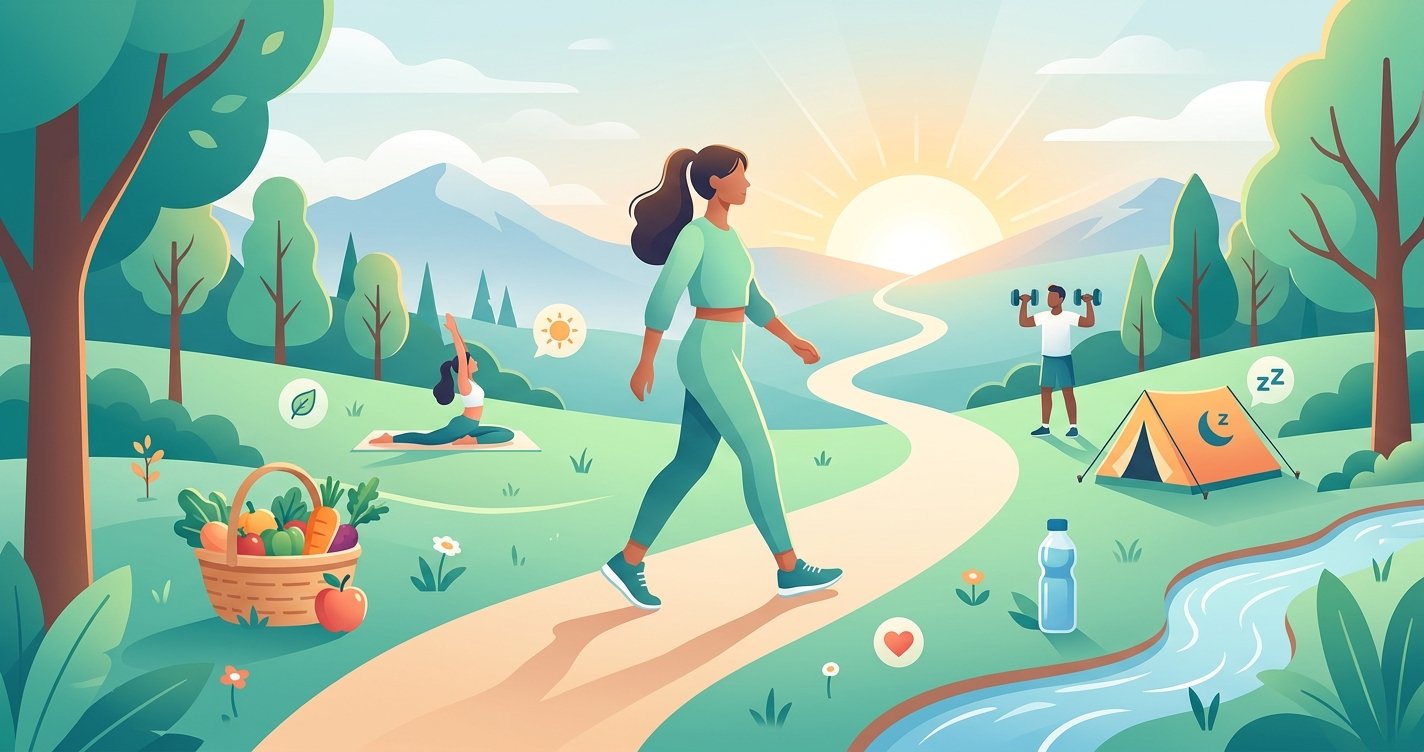
True fat loss is a marathon, not a sprint. It involves integrating balanced nutrition, consistent movement, adequate sleep, and effective stress management into your daily life. Let's dive into these crucial pillars.
Nutrition: Fueling Your Body, Not Depriving It
Forget restrictive meal plans. Sustainable nutrition is about making smart, enjoyable choices that provide your body with the nutrients it needs to thrive.
- Prioritize Whole Foods: Build your diet around lean proteins (chicken, fish, tofu, beans), fiber-rich fruits and vegetables, and complex carbohydrates (whole grains, sweet potatoes). These foods are packed with nutrients, keep you feeling full, and provide sustained energy.
- Protein Power: Protein is a superstar for fat loss. It helps preserve muscle mass during weight loss, boosts satiety (keeps you feeling full), and has a higher thermic effect, meaning your body burns more calories digesting it. Aim for a good source of protein at every meal.
- Fiber is Your Friend: Found in fruits, vegetables, legumes, and whole grains, fiber aids digestion, stabilizes blood sugar, and significantly contributes to feelings of fullness, reducing the likelihood of overeating.
- Healthy Fats: Don't fear fats! Healthy fats from avocados, nuts, seeds, and olive oil are essential for hormone production, nutrient absorption, and satiety. Enjoy them in moderation.
- Mindful Eating: Pay attention to your body's hunger and fullness cues. Eat slowly, savor your food, and avoid distractions. This helps prevent overeating and fosters a healthier relationship with food.
- Hydration: Often overlooked, adequate water intake is vital for metabolism, energy levels, and can help manage hunger.
Movement: Finding Joy in Being Active
Exercise isn't just about burning calories; it's about building strength, improving cardiovascular health, boosting mood, and enhancing overall vitality. Find activities you genuinely enjoy to make it sustainable.
- Strength Training: Lifting weights or using bodyweight exercises is crucial. Muscle tissue is metabolically active, meaning it burns more calories at rest than fat tissue. Building muscle not only helps you burn more fat but also sculpts your body and improves bone density. Aim for 2-3 sessions per week.
- Cardiovascular Exercise: Activities like brisk walking, jogging, cycling, swimming, or dancing elevate your heart rate, improve endurance, and burn calories. Find an activity you enjoy and aim for at least 150 minutes of moderate-intensity cardio per week.
- Incorporate NEAT (Non-Exercise Activity Thermogenesis): This includes all the calories you burn from daily activities outside of structured exercise – walking to the store, taking the stairs, fidgeting, gardening. Small movements add up significantly!
Sleep: The Unsung Hero of Weight Management
In our fast-paced world, sleep is often the first thing to be sacrificed. However, sufficient, quality sleep (7-9 hours per night for most adults) is non-negotiable for fat loss and overall health.
- Hormonal Harmony: Lack of sleep disrupts key hunger-regulating hormones. Ghrelin, the "hunger hormone," increases, while leptin, the "satiety hormone," decreases. This imbalance makes you feel hungrier and less satisfied, often leading to increased calorie intake and cravings for unhealthy foods.
- Cortisol Control: Poor sleep elevates cortisol, the stress hormone, which can promote fat storage, particularly around the abdomen.
- Energy and Willpower: When you're well-rested, you have more energy for workouts and better willpower to make healthy food choices.
Stress Management: Taming the Cortisol Beast
Chronic stress is a silent saboteur of fat loss efforts. When stressed, your body releases cortisol, which, as mentioned, can encourage fat storage and increase appetite.
- Identify Stressors: Recognize what triggers your stress.
- Develop Coping Mechanisms: Practice mindfulness, meditation, deep breathing exercises, yoga, spend time in nature, or engage in hobbies that relax you.
- Prioritize Self-Care: Make time for activities that replenish your energy and bring you joy.
Mindset and Consistency: The Long Game
Sustainable fat loss isn't about perfection; it's about progress and consistency. There will be good days and challenging days, and that's perfectly normal.
- Patience and Self-Compassion: Fat loss is a gradual process. Celebrate small victories, learn from setbacks, and be kind to yourself.
- Focus on Habits, Not Just the Scale: Shift your focus from the number on the scale to building healthy habits. When you consistently make positive choices, the results will follow.
- Embrace Lifestyle Change: View this as a permanent shift towards a healthier way of living, not a temporary diet.
Crafting Your Personalized Sustainable Fat Loss Plan
There's no one-size-fits-all approach. Your journey is unique.
Start Small, Build Momentum
Instead of overhauling everything at once, pick one or two areas to focus on first. For example, commit to drinking more water and adding a daily 20-minute walk. Once those habits are established, gradually introduce more changes, like incorporating more protein or trying a new strength workout.
Seek Professional Guidance (If Needed)
If you feel overwhelmed or have specific health concerns, consider consulting a registered dietitian, certified personal trainer, or your doctor. They can provide personalized advice and support tailored to your individual needs.
Your Sustainable Journey Starts Today
Releasing the grip of crash diets and embracing a sustainable lifestyle is the most empowering decision you can make for your health. It's about nurturing your body, respecting its signals, and consistently making choices that serve your long-term well-being. Remember, sustainable fat loss isn't just about losing weight; it's about gaining health, energy, and a profound sense of self-empowerment.
You have the power to create lasting change. Start today, one small, consistent step at a time, and watch as you transform not just your body, but your entire life.