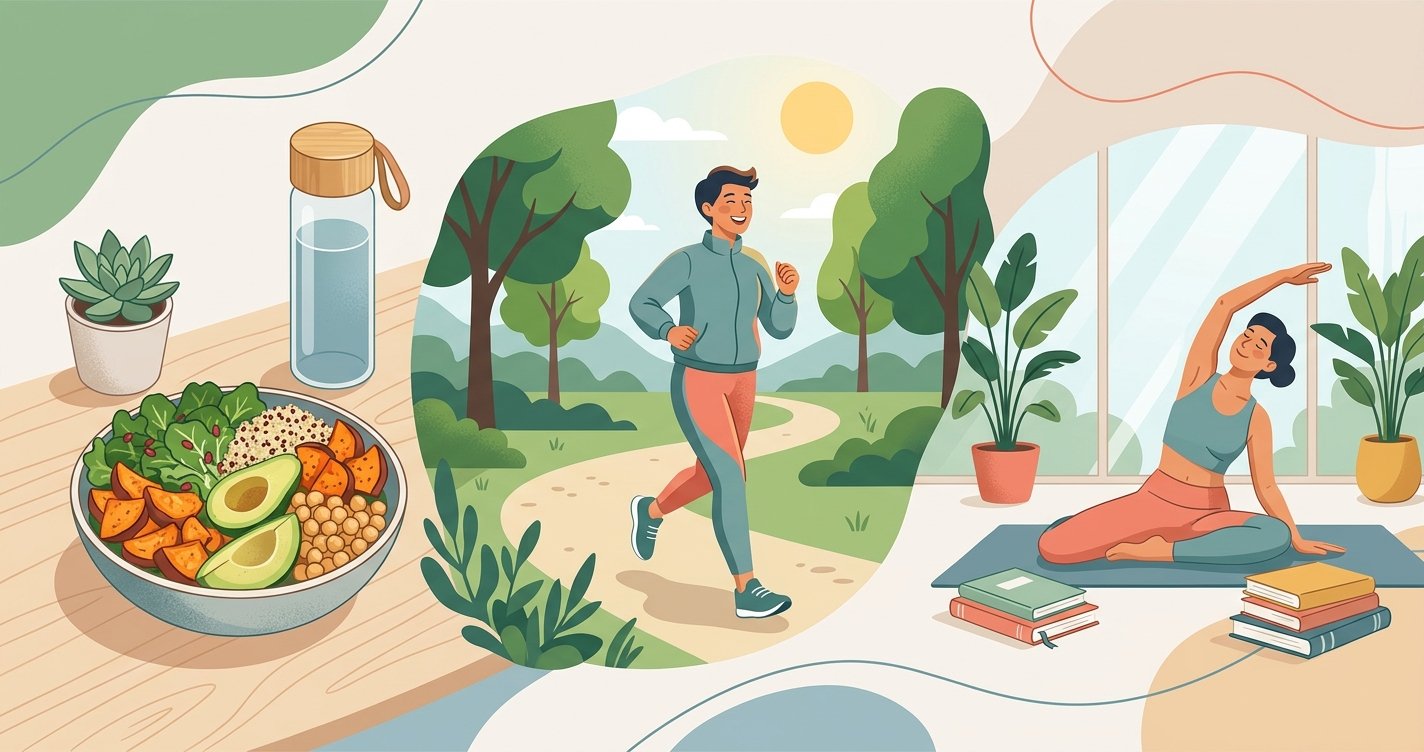
Are you tired of the endless cycle of crash diets, intense workout programs that you can't stick to, and the frustration of losing weight only to gain it back? You're not alone. In a world saturated with 'quick fixes' and 'magic pills,' it's easy to get caught in a trap that promises rapid results but rarely delivers sustainable change. The truth is, true fat loss that lasts isn't about deprivation or extreme measures; it's about building healthy habits that fit into your life, not overhaul it.
This post is your friendly, evidence-based guide to understanding how to achieve sustainable fat loss. We'll explore practical strategies rooted in science, encouraging you to make choices that nourish your body, strengthen your mind, and support your long-term health goals. Let's ditch the desperation and embrace a path that truly works, for good. this excellent wellness product
The Foundation: Understanding a Gentle Calorie Deficit
At its core, fat loss comes down to one fundamental principle: consuming fewer calories than your body expends. This is known as a calorie deficit. However, the key word here is 'gentle.' Many quick-fix diets push extreme deficits, which can lead to muscle loss, nutrient deficiencies, fatigue, and a rebound effect when you inevitably return to normal eating.
Instead, aim for a moderate deficit of 300-500 calories per day. This allows your body to tap into its fat stores for energy without feeling starved or deprived. It's a sustainable approach that supports long-term adherence and preserves your metabolism. You don't need to meticulously count every calorie, but understanding portion sizes and the caloric density of foods can be incredibly empowering.
Why Extreme Deficits Backfire
- Metabolic Slowdown: Your body adapts to extreme deprivation by slowing its metabolism to conserve energy.
- Muscle Loss: When calories are too low, your body might break down muscle for energy, which is counterproductive for fat loss as muscle burns more calories at rest.
- Increased Cravings & Binge Eating: Severe restriction often leads to intense cravings and eventual overeating.
- Nutrient Deficiencies: Limiting food groups can deprive your body of essential vitamins and minerals.
Fueling Your Body: Nutrition for Lasting Results
Sustainable fat loss isn't about eating less; it's about eating better. Focusing on nutrient-dense foods will keep you feeling full, energized, and satisfied, making a calorie deficit feel much easier.
Protein Power: Your Satiety Secret Weapon
Protein is king when it comes to fat loss. It's the most satiating macronutrient, meaning it keeps you feeling fuller for longer, reducing the urge to snack. Protein also has a higher thermic effect, meaning your body burns more calories digesting it compared to fats or carbs. Crucially, adequate protein intake helps preserve muscle mass during a calorie deficit.
- Aim for: Lean meats, poultry, fish, eggs, dairy, legumes, tofu, tempeh. Try to include a good source of protein at every meal.
Smart Carbs & Healthy Fats: Fuel and Function
Don't fall for the myth that you need to eliminate carbs or fats for fat loss. Both are essential for energy, hormone production, and overall health. The key is choosing the right types.
- Smart Carbs: Focus on complex carbohydrates like whole grains (oats, brown rice, quinoa), fruits, and vegetables. These provide sustained energy, fiber (which aids digestion and satiety), and vital nutrients. Limit refined sugars and highly processed carbs.
- Healthy Fats: Include healthy fats from sources like avocados, nuts, seeds, and olive oil. These are crucial for hormone regulation, nutrient absorption, and also contribute to satiety. Just remember, fats are calorie-dense, so portion control is important.
Hydration: The Unsung Hero
Drinking enough water is simple, yet often overlooked. Water can help you feel full, aid digestion, and ensure your body's metabolic processes are running optimally. Sometimes, what feels like hunger is actually thirst.
Moving Your Body: Exercise That Sticks
While nutrition is paramount, incorporating regular physical activity significantly boosts fat loss and improves overall health. The best exercise program is one you can consistently adhere to and enjoy!
Strength Training: The Fat-Burning Secret Weapon
If you're not lifting weights, you're missing out on a powerful fat-loss tool. Strength training builds and maintains muscle mass. More muscle means a higher resting metabolism, as muscle burns more calories than fat, even when you're just sitting around. It also shapes your body and improves bone density.
- Aim for: 2-4 sessions of full-body strength training per week. Don't be afraid to lift heavy!
Cardio: For Heart Health and Calorie Burn
Cardiovascular exercise, like brisk walking, jogging, cycling, or swimming, is excellent for burning calories, improving heart health, and boosting your mood. It complements strength training by increasing your overall energy expenditure.
- Aim for: 150-300 minutes of moderate-intensity cardio per week, or 75-150 minutes of vigorous-intensity cardio.
Finding Movement You Enjoy
The most important aspect of exercise is consistency. If you dread your workouts, you won't stick with them. Experiment with different activities – dancing, hiking, team sports, yoga – until you find what genuinely excites you. Movement should be a celebration of what your body can do, not a punishment.
Beyond the Plate and Gym: Holistic Habits for Success
Sustainable fat loss isn't just about what you eat and how you move; it's deeply intertwined with your overall lifestyle. Overlooking these crucial elements can sabotage even the best diet and exercise plans.
The Power of Sleep: Recovery and Hormone Balance
Lack of sleep can wreak havoc on your fat loss efforts. Poor sleep disrupts hormones that regulate hunger (ghrelin) and satiety (leptin), leading to increased cravings for high-calorie foods. It also elevates cortisol (stress hormone), which can promote fat storage, particularly around the belly.
- Aim for: 7-9 hours of quality sleep per night. Establish a consistent sleep schedule and create a relaxing bedtime routine.
Stress Management: Taming Cortisol's Role
Chronic stress triggers the release of cortisol, which, as mentioned, can encourage fat storage and make it harder to lose weight. Finding healthy ways to manage stress is vital for both your mental and physical well-being.
- Try: Meditation, deep breathing exercises, spending time in nature, journaling, or engaging in hobbies you love.
Mindful Eating: Tuning Into Your Body's Signals
Mindful eating means paying attention to your food – its taste, texture, and smell – and recognizing your body's hunger and fullness cues. It helps you eat when you're truly hungry and stop when you're satisfied, preventing overeating and fostering a healthier relationship with food.
- Practice: Eat slowly, chew thoroughly, put your fork down between bites, and eliminate distractions like screens during meals.
The Mindset Shift: Patience, Consistency, and Self-Compassion
Perhaps the most critical component of sustainable fat loss is your mindset. This journey is a marathon, not a sprint, and requires a shift in how you view progress and setbacks.
Ditching Perfectionism
You won't be perfect, and that's okay. One 'bad' meal or missed workout doesn't derail your entire journey. Instead of viewing it as a failure, see it as a minor blip and get back on track with your next meal or workout. Consistency over perfection is the mantra for lasting change.
Celebrating Small Wins
Focus on non-scale victories: increased energy, better sleep, clothes fitting differently, stronger lifts, improved mood. These smaller achievements reinforce positive behaviors and keep you motivated, even when the scale isn't moving as quickly as you'd like.
Building Sustainable Habits
True fat loss is a byproduct of a healthier lifestyle. Instead of focusing solely on the outcome (the number on the scale), focus on building habits that support your health. These habits – consistent movement, nutritious eating, good sleep, stress management – are the foundation upon which lasting results are built.
Embrace Your Journey to Lasting Fat Loss
Sustainable fat loss is about empowering yourself with knowledge, making informed choices, and fostering a loving relationship with your body. It’s not about quick fixes or punishing yourself, but about nurturing your health and well-being. By embracing a gentle calorie deficit, prioritizing nutrient-dense foods, incorporating enjoyable movement, and cultivating holistic habits like good sleep and stress management, you’re setting yourself up for success that truly lasts.
Remember, this is your unique journey. Be patient with yourself, celebrate every step forward, and approach challenges with self-compassion. Start small, stay consistent, and watch as your body transforms in a healthy, sustainable way. You’ve got this!