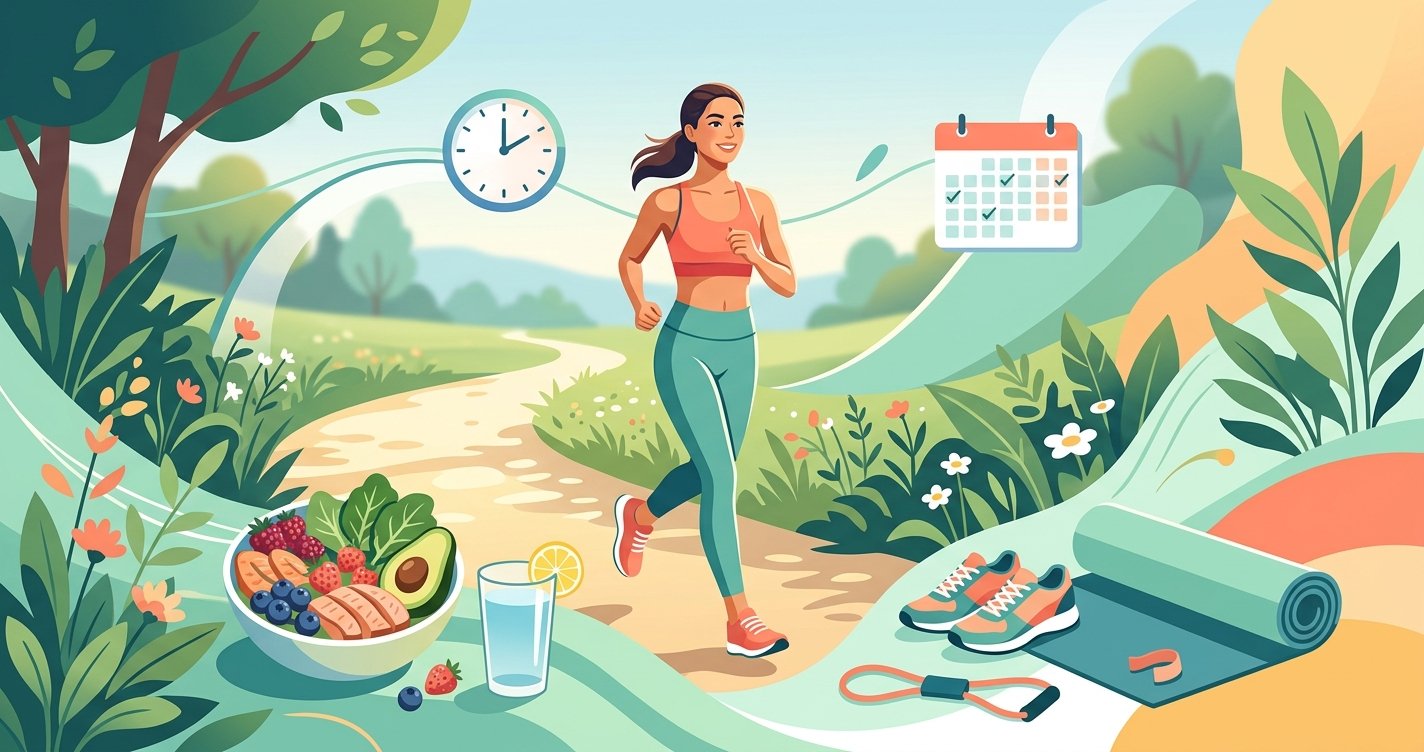
Tired of the Yo-Yo? Discover the Secrets to Sustainable Fat Loss
Let's be honest: the world of fat loss can feel like a confusing maze filled with conflicting advice. From extreme diets promising rapid results to miracle supplements, it’s easy to get caught in a cycle of hope, restriction, and ultimately, disappointment. Many of us have been there – shedding a few pounds only to see them creep back, often bringing a few extra friends along for the ride. This isn't a failure of willpower; it's often a failure of strategy.
The truth is, genuine, lasting fat loss isn't about deprivation or quick fixes. It's about understanding your body, making smart, consistent choices, and fostering a sustainable lifestyle. If you're ready to break free from the frustrating yo-yo cycle and build a foundation for a healthier, happier you, you've come to the right place. We're going to dive deep into evidence-based strategies that actually work, focusing on principles that are friendly to your body and mind, and encouraging you every step of the way. this excellent wellness product
Beyond the Quick Fix: Why Crash Diets Fail
The allure of losing 10 pounds in a week is powerful, but these rapid weight loss schemes often come with a hefty price tag – not just financially, but for your metabolism and mental health. Crash diets typically involve severe calorie restriction, which, while initially causing weight loss (mostly water and some muscle), triggers a survival response in your body.
- Metabolic Slowdown: Your body adapts by lowering your metabolic rate to conserve energy, making it harder to lose fat and easier to regain it once you return to normal eating.
- Muscle Loss: When calories are severely restricted, your body can break down muscle tissue for energy. Muscle is metabolically active, meaning it burns more calories at rest. Losing muscle further slows your metabolism.
- Nutrient Deficiencies: Extreme diets often lack essential vitamins and minerals, impacting energy levels, mood, and overall health.
- Psychological Toll: Constant hunger, cravings, and the feeling of deprivation can lead to irritability, poor focus, and an unhealthy relationship with food, often resulting in rebound eating or bingeing.
The goal isn't just to lose weight; it's to lose fat while preserving precious muscle and maintaining your health. Sustainable fat loss respects your body's physiology, working with it, not against it.
The Foundation: Smart Calorie Deficit and Macronutrient Mastery
At its core, fat loss requires a calorie deficit – consuming fewer calories than your body expends. However, the key is to create a moderate deficit (typically 300-500 calories below your maintenance) that is sustainable and doesn't trigger your body's alarm bells. This allows for steady fat loss (around 1-2 pounds per week) while preserving muscle and energy levels.
The Power of Protein, Carbs, and Healthy Fats
It's not just about the number of calories; it's about where those calories come from. Macronutrients (protein, carbohydrates, and fats) play distinct roles in your body, and optimizing their intake is crucial for fat loss.
- Protein Power: Protein is your best friend for fat loss. It's highly satiating, meaning it keeps you feeling full for longer, reducing the likelihood of overeating. It also has a higher thermic effect (your body burns more calories digesting protein) and is essential for preserving and building muscle mass. Aim for sources like lean meats, poultry, fish, eggs, dairy, legumes, and plant-based protein powders.
- Smart Carbs: Carbohydrates are your body's primary energy source. Instead of cutting them out entirely, focus on complex carbohydrates rich in fiber. These include whole grains (oats, quinoa, brown rice), fruits, and vegetables. Fiber helps with satiety, digestion, and provides sustained energy, preventing energy crashes and cravings.
- Healthy Fats: Don't fear fats! Healthy fats are vital for hormone production, nutrient absorption, and satiety. Include sources like avocados, nuts, seeds, olive oil, and fatty fish (salmon, mackerel). Portion control is key here, as fats are calorie-dense.
Prioritize whole, unprocessed foods. They are generally more nutrient-dense and satisfying than their processed counterparts, which often contain hidden sugars, unhealthy fats, and excessive sodium.
Move Your Body, Boost Your Metabolism: The Role of Exercise
While nutrition accounts for a significant portion of fat loss, exercise is the powerful complement that accelerates results, preserves muscle, and enhances overall health and well-being.
Strength Training: Your Fat-Loss MVP
If there's one type of exercise you prioritize for fat loss, make it strength training. Lifting weights (or using your body weight) builds and maintains muscle mass. As mentioned, muscle is metabolically active, meaning the more muscle you have, the more calories your body burns at rest, even when you're just sitting on the couch. Aim for 2-4 sessions per week, focusing on compound movements that work multiple muscle groups.
Cardio and NEAT: Complementary Powerhouses
Cardiovascular exercise, like brisk walking, jogging, cycling, or swimming, is excellent for burning calories, improving heart health, and boosting mood. It can be a great way to increase your calorie deficit. Don't feel pressured to do grueling, long sessions; even 30 minutes most days of the week can make a significant difference. High-Intensity Interval Training (HIIT) can also be effective for some, but listen to your body and don't overdo it.
Beyond structured workouts, consider your NEAT (Non-Exercise Activity Thermogenesis). This refers to all the calories you burn through daily activities that aren't formal exercise – walking, fidgeting, taking the stairs, cleaning. Increasing your NEAT by simply moving more throughout the day can add up to a substantial calorie burn over time.
The Unseen Heroes: Sleep, Stress, and Mindset
Fat loss isn't just about food and exercise; your mental and emotional state play a massive role. Neglecting these areas can sabotage even the best diet and workout plans.
- Sleep Your Way to Success: Lack of sleep disrupts hormones that regulate hunger and appetite (ghrelin and leptin), making you feel hungrier and crave unhealthy foods. Aim for 7-9 hours of quality sleep per night.
- Manage Stress: Chronic stress elevates cortisol levels, a hormone that can promote fat storage, particularly around the midsection. Find healthy ways to manage stress, such as meditation, yoga, spending time in nature, or hobbies you enjoy.
- Cultivate a Positive Mindset: Fat loss is a journey, not a destination. Embrace patience, celebrate small victories, and practice self-compassion. Understand that plateaus are normal, and setbacks happen. It's about consistency over perfection. Focus on progress, not just the scale.
Building Your Sustainable Lifestyle: Small Steps, Big Results
The most effective fat loss strategies are the ones you can stick with for the long haul. This means making gradual, manageable changes that become ingrained habits.
- Start Small: Don't try to overhaul everything at once. Pick one or two habits to focus on each week or month, like adding more protein to each meal or going for a 20-minute walk daily.
- Plan Ahead: Meal prepping, planning your workouts, and scheduling time for self-care can significantly increase your chances of success.
- Listen to Your Body: Pay attention to hunger and fullness cues. Eat when you're hungry, stop when you're satisfied, and distinguish between physical hunger and emotional eating.
- Track Progress (Beyond the Scale): While the scale can be a data point, it doesn't tell the whole story. Take measurements, progress photos, and note how your clothes fit, your energy levels, and your strength in the gym.
- Seek Support: Share your goals with a trusted friend, family member, or consider working with a coach. Accountability and support can make a huge difference.
Conclusion
Sustainable fat loss is about empowering yourself with knowledge, making informed choices, and fostering a lifestyle that supports your health and well-being for years to come. It’s a journey of self-discovery, patience, and consistency – not a race to a finish line. By focusing on a smart calorie deficit, prioritizing protein, embracing strength training, moving more, and nurturing your mental health, you're not just losing fat; you're building a stronger, healthier, and more resilient you. Ditch the quick fixes, embrace the process, and enjoy the lasting results!