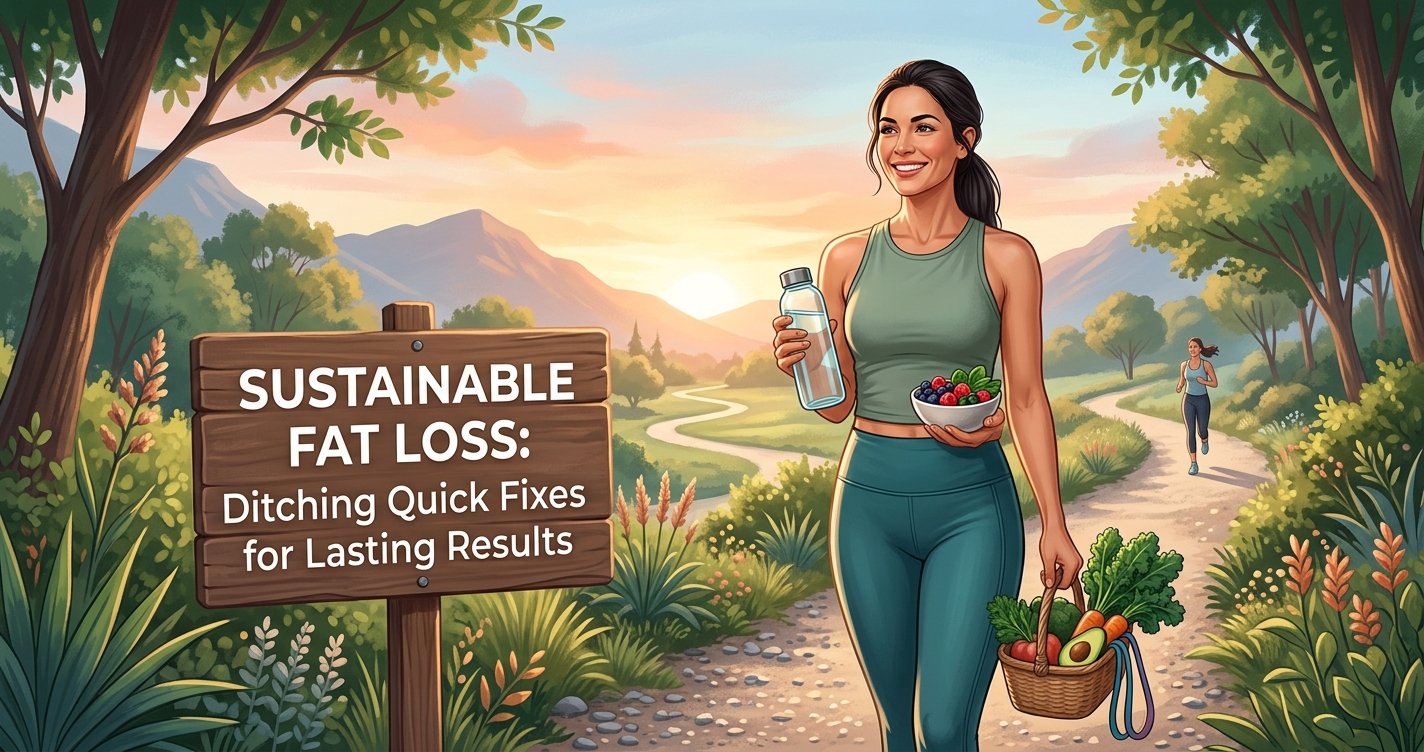
Sustainable Fat Loss: Ditching Quick Fixes for Lasting Results
In a world obsessed with instant gratification, the promise of rapid fat loss can be incredibly alluring. "Lose 10 pounds in 7 days!" "Melt fat overnight!" We've all seen the headlines and perhaps even fallen prey to their siren song. But let's be honest: these quick fixes rarely deliver sustainable results. They often leave us feeling deprived, frustrated, and ultimately, back where we started – or even worse off. If you're tired of the endless cycle of restrictive diets and fleeting success, you're in the right place. This post isn't about magic pills or extreme regimens; it's about understanding the science and embracing a holistic approach to achieve sustainable fat loss that truly lasts. We'll explore evidence-based strategies covering nutrition, exercise, sleep, and stress management, empowering you to build healthy habits for a healthier, happier you.
The Core Principle: Understanding the Calorie Deficit
Let's cut straight to the chase: for fat loss to occur, you must consistently consume fewer calories than your body expends. This is known as creating a calorie deficit, and it's a non-negotiable biological truth. Think of your body as a car: if you want to burn fuel (stored fat), you need to put less fuel in than you use for driving. Your body uses calories for everything – breathing, thinking, digesting food, and physical activity. When you eat fewer calories than your body needs, it turns to its stored energy reserves (fat) to make up the difference. this excellent wellness product
However, the key word here is "sustainable." A drastic calorie deficit might lead to rapid initial weight loss, but it's often unsustainable, leading to muscle loss, nutrient deficiencies, fatigue, and intense cravings that can derail your progress. The goal is a moderate, consistent deficit – typically 300-500 calories below your maintenance level – that your body can comfortably manage, allowing for gradual, healthy fat loss while preserving muscle mass and energy levels. This approach fosters long-term success and prevents the dreaded rebound effect.
Fueling Your Body: Nutrition for Lasting Fat Loss
Nutrition is arguably the most critical component of sustainable fat loss. It's not about deprivation; it's about making smarter, more nutrient-dense choices that support your body's needs and keep you feeling satisfied.
Prioritize Protein
- Satiety: Protein is incredibly satiating, meaning it keeps you feeling fuller for longer. This helps reduce overall calorie intake by curbing unnecessary snacking.
- Muscle Preservation: When you're in a calorie deficit, there's a risk of losing muscle alongside fat. Adequate protein intake (around 0.7-1 gram per pound of body weight) helps preserve lean muscle mass, which is crucial for maintaining a healthy metabolism.
- Thermic Effect of Food (TEF): Protein has a higher TEF than carbs or fats, meaning your body burns more calories just to digest and process it.
Include lean protein sources like chicken breast, fish, eggs, Greek yogurt, lentils, beans, and tofu in every meal.
Embrace Complex Carbs and Healthy Fats
Forget the myth that carbs and fats are inherently bad for fat loss. The type and quantity matter greatly:
- Complex Carbohydrates: Found in whole grains (oats, brown rice, quinoa), fruits, and vegetables, complex carbs provide sustained energy, essential vitamins, minerals, and fiber. Fiber is particularly important as it aids digestion, promotes satiety, and helps regulate blood sugar.
- Healthy Fats: Essential for hormone production, nutrient absorption, and brain health, healthy fats (avocado, nuts, seeds, olive oil, fatty fish) are crucial. While calorie-dense, they contribute to satiety and overall well-being. Focus on moderate portions.
Avoid highly processed foods, sugary drinks, and excessive amounts of saturated and trans fats, as these offer little nutritional value and can hinder your progress.
Hydration and Mindful Eating
Don't underestimate the power of water. Staying well-hydrated supports metabolism, can help reduce hunger pangs (sometimes thirst is mistaken for hunger), and is vital for overall bodily functions. Aim for at least 8 glasses a day.
Mindful eating involves paying attention to your body's hunger and fullness cues. Eat slowly, savor your food, and put away distractions. This practice helps you recognize when you're truly hungry and when you're satisfied, preventing overeating.
Moving Your Body: Exercise as a Pillar of Fat Loss
While nutrition creates the deficit, exercise amplifies fat loss, builds a resilient body, and boosts your overall health. It's not just about burning calories during a workout; it's about transforming your body's composition and metabolic rate.
Strength Training: Your Metabolism's Best Friend
If there's one exercise type to prioritize for sustainable fat loss, it's strength training. Here's why:
- Muscle is Metabolically Active: The more muscle you have, the more calories your body burns at rest. Building muscle helps increase your resting metabolic rate (RMR), turning your body into a more efficient fat-burning machine 24/7.
- EPOC (Excess Post-exercise Oxygen Consumption): Strength training causes an "afterburn effect," meaning your body continues to burn extra calories for hours after your workout as it recovers and repairs muscle tissue.
- Body Composition: While the scale might not always show drastic changes with strength training, you'll notice improvements in how your clothes fit and how your body looks due to reduced body fat and increased muscle definition.
Aim for 2-4 strength training sessions per week, targeting all major muscle groups.
Cardiovascular Exercise: Heart Health and Calorie Burn
Cardio complements strength training by directly burning calories and improving cardiovascular health. It's excellent for improving endurance, mood, and overall fitness.
- LISS (Low-Intensity Steady State): Activities like brisk walking, jogging, or cycling for longer durations (30-60 minutes) are great for calorie expenditure without excessive strain.
- HIIT (High-Intensity Interval Training): Short bursts of intense exercise followed by brief recovery periods can be highly effective for calorie burning and improving fitness in less time, also producing a significant EPOC effect.
Integrate 2-3 cardio sessions per week, choosing activities you genuinely enjoy.
Finding What You Enjoy
Consistency is paramount. The "best" exercise is the one you'll actually stick with. Whether it's dancing, hiking, swimming, or playing a sport, find activities that make you feel good and invigorated. Make movement a joyful part of your lifestyle, not a chore.
The Unsung Heroes: Sleep and Stress Management
Often overlooked, quality sleep and effective stress management play incredibly significant roles in your fat loss journey. Neglecting these areas can sabotage even the most diligent efforts in diet and exercise.
The Power of Quality Sleep
Lack of sleep throws your hormones out of whack, directly impacting hunger and fat storage:
- Ghrelin and Leptin: Sleep deprivation increases ghrelin (the hunger hormone) and decreases leptin (the satiety hormone), leading to increased appetite and cravings for high-calorie foods.
- Cortisol: Insufficient sleep elevates cortisol, a stress hormone that can promote fat storage, particularly around the abdominal area.
- Decision Making: When you're tired, your willpower and ability to make healthy food choices diminish, making you more prone to reaching for convenient, unhealthy options.
Aim for 7-9 hours of quality sleep per night. Establish a consistent sleep schedule, create a relaxing bedtime routine, and optimize your sleep environment.
Taming Stress for a Healthier You
Chronic stress is a silent killer of fat loss progress. Similar to lack of sleep, stress triggers the release of cortisol, leading to:
- Increased Cravings: Cortisol can stimulate your appetite, especially for sugary and fatty comfort foods.
- Fat Storage: Elevated cortisol levels can encourage your body to store more fat, particularly around the midsection (visceral fat), which is metabolically detrimental.
- Reduced Motivation: High stress levels can deplete your energy and motivation to exercise or prepare healthy meals.
Incorporate stress-reducing practices into your daily life: meditation, yoga, deep breathing exercises, spending time in nature, journaling, or engaging in hobbies you love. Learning to manage stress is not just good for fat loss; it's essential for your overall mental and physical health.
Building Sustainable Habits: Consistency Over Perfection
Sustainable fat loss isn't about achieving perfection; it's about embracing consistency and making small, incremental changes that you can maintain for life. Don't aim for a complete overhaul overnight; instead, focus on building one healthy habit at a time.
- Start Small: Instead of cutting out all your favorite foods, try adding an extra serving of vegetables to your dinner. Instead of committing to an hour at the gym, start with a 20-minute walk.
- Track Your Progress: The scale is just one tool. Pay attention to how your clothes fit, your energy levels, your mood, and your strength in workouts. Take progress photos. Celebrate non-scale victories.
- Be Patient and Kind to Yourself: Fat loss is a journey, not a race. There will be ups and downs, plateaus, and moments of weakness. Don't let one slip-up derail your entire progress. Learn from it, adjust, and get back on track. Self-compassion is your most powerful ally.
- Seek Support: Whether it's a friend, family member, online community, or a certified coach, having a support system can make a significant difference in staying motivated and accountable.
Conclusion
Sustainable fat loss is a marathon, not a sprint. It's about rejecting the allure of quick fixes and instead, committing to a holistic approach that nurtures your body and mind. By understanding the core principle of a calorie deficit, making informed nutritional choices, embracing regular movement, prioritizing sleep, and managing stress effectively, you're not just losing fat – you're building a healthier, stronger, and more vibrant version of yourself. This journey requires patience, consistency, and self-compassion, but the lasting results – improved energy, better health, and a positive relationship with your body – are profoundly worth it. Start today, make one small, sustainable change, and empower yourself to achieve the lasting results you deserve.