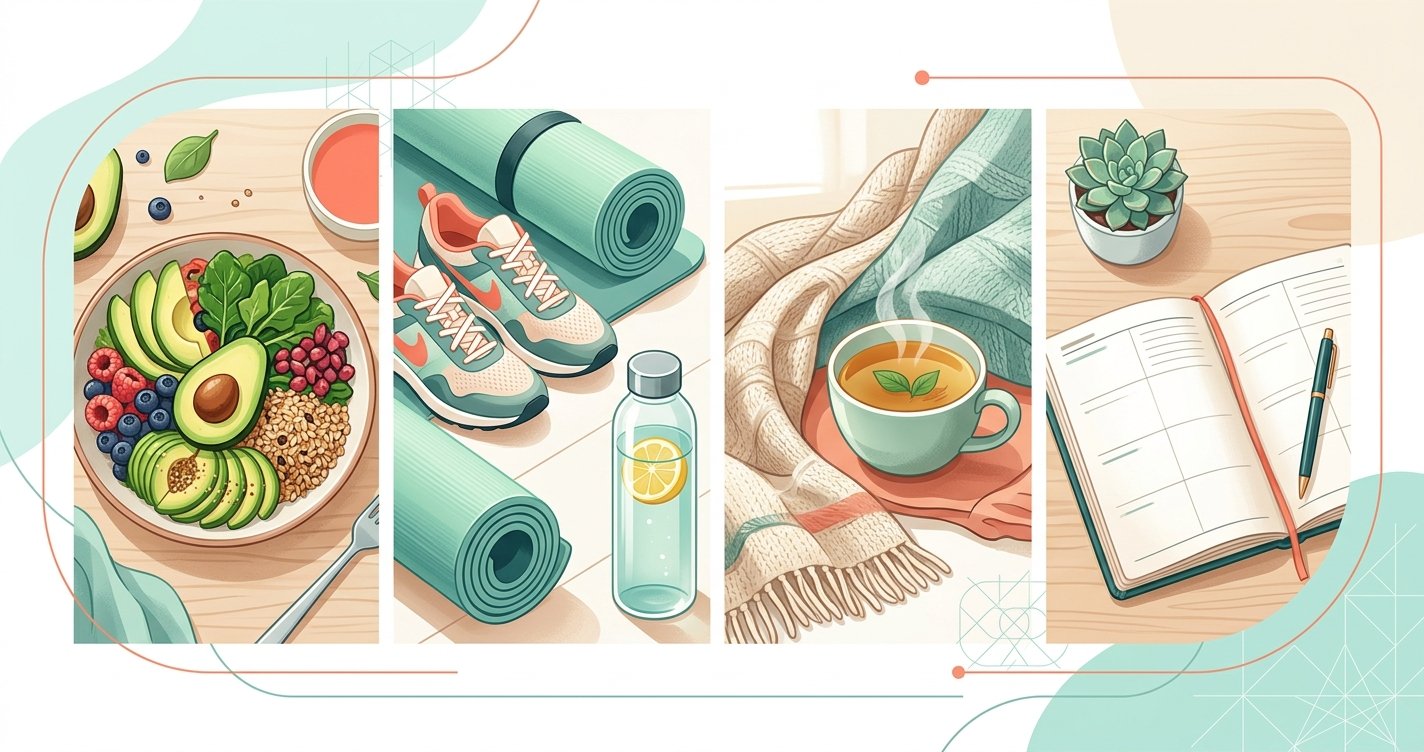
Beyond Quick Fixes: Your Blueprint for Sustainable Fat Loss and a Healthier You
Are you tired of the endless cycle of crash diets, rapid weight loss, and then, inevitably, regaining it all back? You’re not alone. In a world saturated with promises of instant results, it’s easy to get caught in the trap of quick fixes. But what if there was a better way? A path to fat loss that isn't just effective, but truly sustainable, leading to a healthier, happier you for the long haul? Welcome! This guide is designed to empower you with evidence-based strategies to achieve lasting fat loss, moving beyond temporary solutions to create real, impactful change.
Sustainable fat loss isn't about deprivation or extreme measures. It's about understanding your body, making informed choices, and building habits that support your health and well-being every single day. Let's ditch the fads and embrace a journey that truly transforms. this excellent wellness product
Understanding Sustainable Fat Loss: It's Not a Race, It's a Marathon
The allure of losing 10 pounds in a week is powerful, but such rapid weight loss often comes at a cost. It can lead to muscle loss, nutrient deficiencies, and a rebound effect that leaves you heavier and more frustrated than before. Sustainable fat loss, by contrast, focuses on a gradual, consistent approach that preserves muscle, protects your metabolism, and teaches you lifelong habits.
Why Quick Fixes Fail
- Metabolic Adaptation: Extreme calorie restriction can slow your metabolism, making future fat loss harder.
- Muscle Loss: Rapid weight loss often burns precious muscle, which is vital for a healthy metabolism.
- Unsustainable Habits: Crash diets are impossible to maintain, leading to a return to old eating patterns.
- Nutritional Deficiencies: Restrictive diets can strip your body of essential vitamins and minerals.
- Mental Fatigue: The constant struggle and deprivation are emotionally draining, leading to burnout.
Our goal is to create a lifestyle where fat loss is a natural byproduct of healthy choices, not a punishing endeavor.
Fueling Your Body Right: The Cornerstone of Fat Loss
Nutrition is arguably the most critical component of sustainable fat loss. It’s not about eating less; it’s about eating smarter. A gentle calorie deficit is necessary for fat loss, but the quality of those calories makes all the difference.
Prioritize Protein
Protein is your best friend when it comes to fat loss. It's highly satiating, meaning it keeps you feeling full longer, reducing cravings. It also has a higher thermic effect of food (TEF) than carbs or fats, meaning your body burns more calories digesting it. Most importantly, adequate protein intake helps preserve muscle mass during a calorie deficit.
- Aim for: 0.7-1 gram of protein per pound of body weight daily.
- Sources: Lean meats, poultry, fish, eggs, dairy, legumes, tofu, tempeh.
Embrace Complex Carbohydrates and Fiber
Carbohydrates are not the enemy! Complex carbs, found in whole grains, fruits, and vegetables, provide sustained energy, essential nutrients, and fiber. Fiber is crucial for digestive health, satiety, and blood sugar regulation. It helps you feel full without adding many calories.
- Focus on: Whole grains (oats, quinoa, brown rice), sweet potatoes, fruits, and a wide array of vegetables.
- Limit: Refined sugars and highly processed carbohydrates that offer little nutritional value and can spike blood sugar.
Don't Fear Healthy Fats
Dietary fats are essential for hormone production, nutrient absorption, and overall health. Healthy fats are also very satiating. The key is moderation and choosing the right types of fats.
- Include: Avocados, nuts, seeds, olive oil, fatty fish (salmon, mackerel).
- Avoid: Trans fats and excessive amounts of highly processed vegetable oils.
Hydration is Key
Water plays a vital role in metabolism, satiety, and overall body function. Often, thirst is mistaken for hunger, leading to unnecessary snacking. Make water your primary beverage.
Move Your Body Smart: Exercise Beyond Just Burning Calories
While nutrition is paramount, exercise is your powerful ally in the journey towards sustainable fat loss. It's not just about burning calories; it's about building a stronger, healthier, more metabolically active body.
Strength Training for Muscle Preservation and Growth
This is often the missing piece for many embarking on a fat loss journey. Strength training (lifting weights, bodyweight exercises) builds and preserves muscle mass. More muscle means a higher resting metabolic rate, meaning your body burns more calories even when you're at rest. It also sculpts your physique and improves functional strength.
- Aim for: 2-4 sessions per week, focusing on compound movements (squats, deadlifts, presses, rows).
- Progression: Gradually increase weight, reps, or sets over time to challenge your muscles.
Cardio for Heart Health and Energy Expenditure
Cardiovascular exercise is excellent for heart health, endurance, and contributes to your daily calorie expenditure. It can also be a fantastic stress reliever.
- Mix it up: Incorporate both steady-state cardio (walking, cycling, swimming) and high-intensity interval training (HIIT) for varied benefits.
- Find what you enjoy: Consistency is key, so choose activities you genuinely like.
Boost Your NEAT (Non-Exercise Activity Thermogenesis)
NEAT refers to the calories you burn from all activities that are not formal exercise, eating, or sleeping. Increasing your NEAT can significantly contribute to your overall calorie expenditure.
- Ideas: Take the stairs, walk more, stand while working, fidget, do household chores.
The Unsung Heroes: Sleep, Stress, and Mindset
You can eat perfectly and exercise diligently, but if you neglect these foundational elements, sustainable fat loss will remain elusive. Your body and mind work together, and stress and poor sleep can sabotage your best efforts.
Prioritize Quality Sleep
Sleep is where your body repairs, recovers, and regulates crucial hormones. Lack of sleep can disrupt ghrelin (hunger hormone) and leptin (satiety hormone), leading to increased cravings and appetite. It also elevates cortisol, a stress hormone linked to belly fat storage.
- Aim for: 7-9 hours of quality sleep per night.
- Tips: Create a consistent sleep schedule, optimize your bedroom environment (dark, cool, quiet), and limit screen time before bed.
Manage Stress Effectively
Chronic stress keeps cortisol levels elevated, which can promote fat storage, especially around the midsection. Stress can also lead to emotional eating and a lack of motivation for healthy habits.
- Strategies: Practice mindfulness, meditation, yoga, spend time in nature, engage in hobbies, or talk to a trusted friend or professional.
Cultivate a Positive Mindset and Patience
Fat loss is a journey, not a destination. There will be ups and downs, plateaus, and moments of frustration. A positive, patient mindset is crucial for long-term success. Focus on progress, not perfection. Celebrate small victories and be kind to yourself.
- Practice self-compassion: Don't beat yourself up over minor setbacks. Learn from them and move forward.
- Focus on health, not just the number on the scale: How you feel, your energy levels, and your strength are equally important metrics.
Building Lasting Habits: Your Blueprint for Success
Sustainable fat loss is ultimately about building a collection of small, consistent habits that become second nature. It’s about creating a lifestyle that naturally supports your health goals.
Start Small, Build Gradually
Don't try to overhaul everything at once. Pick one or two habits to focus on each week or month. Once they become automatic, add another. This prevents overwhelm and makes the changes feel manageable.
- Examples: Drink a glass of water before every meal, add a serving of vegetables to dinner, go for a 15-minute walk daily.
Track Your Progress (Beyond the Scale)
While the scale can be a useful tool, it doesn't tell the whole story. Muscle gain, water fluctuations, and hormonal changes can mask fat loss. Track other metrics:
- Measurements: Waist, hips, arms, thighs.
- Photos: Before and after pictures can reveal subtle changes.
- Performance: How much weight can you lift? How long can you run?
- How you feel: Energy levels, mood, quality of sleep.
Meal Planning and Preparation
Failing to plan is planning to fail, especially with nutrition. Dedicate some time each week to plan your meals and snacks, and prepare some components in advance. This reduces decision fatigue and the likelihood of reaching for unhealthy options when hunger strikes.
- Batch cook: Cook large portions of protein, grains, and roasted vegetables.
- Pack lunches: Avoid unhealthy takeout options.
Seek Support and Accountability
You don't have to do this alone. Share your goals with a supportive friend, family member, or consider working with a coach. Accountability can be a powerful motivator.
Your Sustainable Fat Loss Journey Starts Now
Achieving sustainable fat loss is a journey of self-discovery, patience, and consistency. It’s about making peace with your body, nourishing it with wholesome foods, moving it joyfully, and prioritizing your mental and emotional well-being. Ditch the quick fixes, embrace the process, and trust that every small, positive step you take is building towards a healthier, happier, and more vibrant you.
Remember, progress over perfection. Start today, with one small, sustainable change, and watch as it blossoms into a lifetime of health and vitality. You've got this!