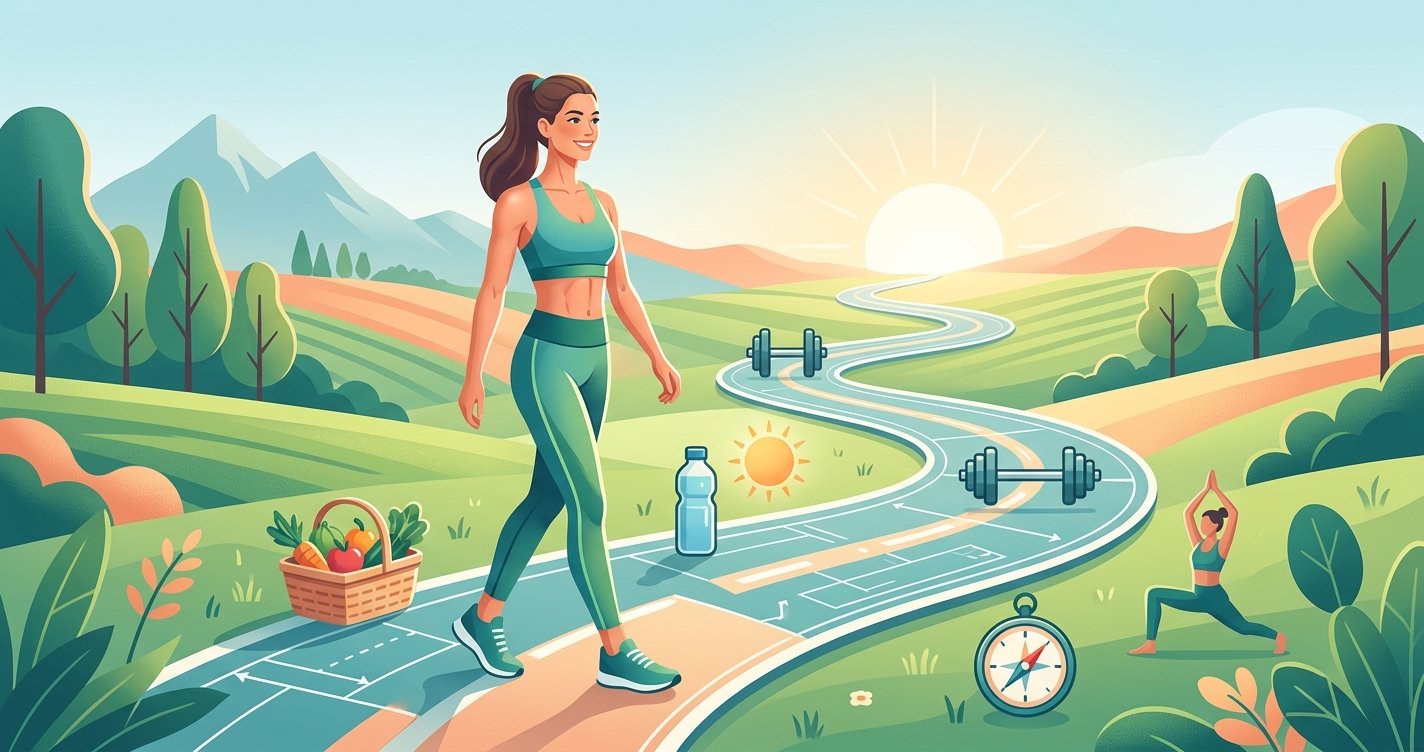
Tired of the Yo-Yo? Discover Sustainable Fat Loss That Lasts!
You’ve seen the headlines: “Lose 10 pounds in 7 days!” “Melt fat with this one weird trick!” While the allure of a quick fix is incredibly tempting, the reality often leaves us frustrated, defeated, and right back where we started. Sustainable fat loss isn't about deprivation or extreme measures; it's about building healthy habits that fit into your life and deliver results that actually last. If you’re ready to ditch the endless cycle of crash diets and embrace a scientifically-backed, empowering approach to transforming your body and health, you’re in the right place. This guide will be your friendly, evidence-based blueprint for achieving lasting fat loss, not just temporary weight changes.
Understanding the Core: The Calorie Deficit (Without Starvation!)
Let's start with the fundamental principle of fat loss: the calorie deficit. Simply put, to lose fat, you need to consume fewer calories than your body burns. It sounds straightforward, but the key is how you achieve this deficit. We're not talking about extreme starvation diets that leave you feeling miserable and drained. A sustainable calorie deficit is moderate, typically 300-500 calories below your daily maintenance needs. This allows your body to tap into its fat stores for energy without triggering survival responses that can slow your metabolism or lead to muscle loss. this excellent wellness product
Instead of meticulously counting every single calorie, focus on making smarter food choices. Prioritizing whole, unprocessed foods naturally helps you create this deficit because they are generally more nutrient-dense and satisfying. Think lean proteins, plenty of vegetables, fruits, and complex carbohydrates. These foods provide volume and fiber, helping you feel full and satisfied on fewer calories, making the deficit feel much less like a struggle.
Fueling Your Body Right: Nutrition for Sustainable Fat Loss
Your plate is your most powerful tool in the fat loss journey. What you eat, and how much, profoundly impacts your energy levels, satiety, and metabolic health.
Protein is Your Powerhouse
If there's one macronutrient to prioritize for fat loss, it's protein. Protein is incredibly satiating, meaning it helps you feel fuller for longer, reducing the urge to snack. It also has a higher thermic effect of food (TEF), meaning your body burns more calories digesting protein compared to fats or carbohydrates. Crucially, adequate protein intake is essential for preserving lean muscle mass during a calorie deficit. Muscle is metabolically active tissue, so maintaining it helps keep your metabolism humming. Aim for a protein source with every meal: chicken breast, fish, lean beef, eggs, Greek yogurt, tofu, or legumes are excellent choices.
Smart Carbs and Healthy Fats
Carbohydrates often get a bad rap, but they are your body's preferred energy source. The key is choosing the right kind. Opt for complex carbohydrates like whole grains (oats, brown rice, quinoa), fruits, and vegetables. These are rich in fiber, which aids digestion, stabilizes blood sugar, and contributes to satiety. Limit refined carbs (white bread, sugary drinks, pastries) which offer little nutritional value and can lead to energy crashes and cravings.
Don't fear healthy fats! Fats are essential for hormone production, nutrient absorption, and overall health. Sources like avocados, nuts, seeds, olive oil, and fatty fish (salmon) provide crucial omega-3s and other beneficial compounds. While fats are calorie-dense, incorporating them in moderation helps with satiety and provides a pleasant mouthfeel to your meals, making your diet more enjoyable and sustainable.
Hydration & Mindful Eating
Often overlooked, water plays a vital role in fat loss. Staying well-hydrated supports metabolism, helps with nutrient transport, and can even curb appetite (sometimes thirst is mistaken for hunger). Aim for at least 8 glasses of water a day, and more if you're active.
Mindful eating is about paying attention to your body's hunger and fullness cues. Slow down, savor your food, and put away distractions. This practice helps you recognize when you're truly hungry and when you've had enough, preventing overeating and fostering a healthier relationship with food.
Moving Your Body: Exercise Strategies for Fat Loss
While nutrition is paramount, exercise is the powerful accelerator for fat loss, body recomposition, and overall health.
The Power of Strength Training
If you're not lifting weights, you're missing out on a huge fat loss advantage! Strength training (using weights, resistance bands, or even your own body weight) builds and preserves muscle mass. As mentioned, more muscle means a higher resting metabolic rate, meaning you burn more calories even when you're not exercising. It also helps sculpt your body, giving you a leaner, more toned physique. Aim for 2-4 strength training sessions per week, focusing on compound movements that work multiple muscle groups.
Cardio for Health and Burn
Cardiovascular exercise, often called 'cardio,' burns calories directly and improves heart health. You can choose from various forms: steady-state cardio (like jogging or cycling at a moderate pace) or high-intensity interval training (HIIT), which involves short bursts of intense effort followed by brief recovery periods. HIIT can be very effective for burning calories and boosting metabolism in a shorter amount of time, but both have their place. Don't forget Non-Exercise Activity Thermogenesis (NEAT) – all the movement you do outside of structured exercise, like walking, taking the stairs, or fidgeting. Increasing your NEAT can significantly contribute to your daily calorie burn.
Find What You Enjoy
The best exercise is the one you’ll stick with! Whether it’s dancing, hiking, swimming, or playing a sport, find activities that you genuinely enjoy. Consistency is far more important than intensity when it comes to long-term results.
Beyond Diet & Exercise: Lifestyle Factors That Matter
Fat loss isn't just about calories in and calories out; it's a complex interplay of hormones, stress, and recovery. Neglecting these areas can sabotage even the most diligent efforts.
The Sleep-Fat Loss Connection
Sleep is non-negotiable for fat loss. When you don't get enough quality sleep (aim for 7-9 hours), your body's hormone balance goes haywire. Ghrelin, the hunger hormone, increases, while leptin, the satiety hormone, decreases, making you feel hungrier and less satisfied. Cortisol, the stress hormone, also rises, which can promote fat storage, especially around the belly. Prioritize sleep by creating a relaxing bedtime routine and ensuring your bedroom is dark, quiet, and cool.
Stress Management
Chronic stress is another stealthy saboteur of fat loss. When stressed, your body releases cortisol, which, over time, can lead to increased appetite, cravings for sugary and fatty foods, and greater fat storage. Find healthy ways to manage stress: meditation, yoga, spending time in nature, journaling, or connecting with loved ones. Reducing chronic stress helps create a more favorable hormonal environment for fat loss.
Consistency & Patience: The Long Game
Sustainable fat loss is a marathon, not a sprint. There will be good days and challenging days. Progress isn't always linear, and plateaus are normal. The key is consistency over time and cultivating patience with yourself and the process. Focus on making small, manageable changes that you can stick with for life, rather than drastic overhauls that are doomed to fail.
Building Sustainable Habits: Making It Stick
True success in fat loss comes from integrating healthy habits into your daily life so they become second nature.
- Start Small: Don't try to change everything at once. Pick one or two habits to focus on (e.g., adding protein to breakfast, walking 30 minutes daily) and master them before adding more.
- Track Your Progress (Beyond the Scale): While the scale can be a tool, it doesn't tell the whole story. Take measurements, progress photos, notice how your clothes fit, and celebrate non-scale victories like increased energy, better sleep, or improved strength.
- Learn from Setbacks: No one is perfect. If you have an off day or a challenging week, don't throw in the towel. Analyze what happened, learn from it, and get back on track with your next meal or workout.
- Seek Support: Share your goals with a supportive friend or family member, join a community, or consider working with a coach. Accountability and encouragement can make a huge difference.
- Be Kind to Yourself: This journey is about improving your health and well-being, not about perfection. Practice self-compassion and celebrate every step forward.
Your Sustainable Fat Loss Journey Starts Now!
Ditching the quick fixes and embracing a sustainable approach to fat loss is perhaps the most empowering decision you can make for your health. It’s about understanding your body, fueling it with nourishing foods, moving it in ways you enjoy, and nurturing your mind. Remember, lasting results aren't built on deprivation but on consistency, balance, and self-care. You have the power to create a healthier, stronger, and happier you. Start today, one small, sustainable step at a time. Your future self will thank you for it!