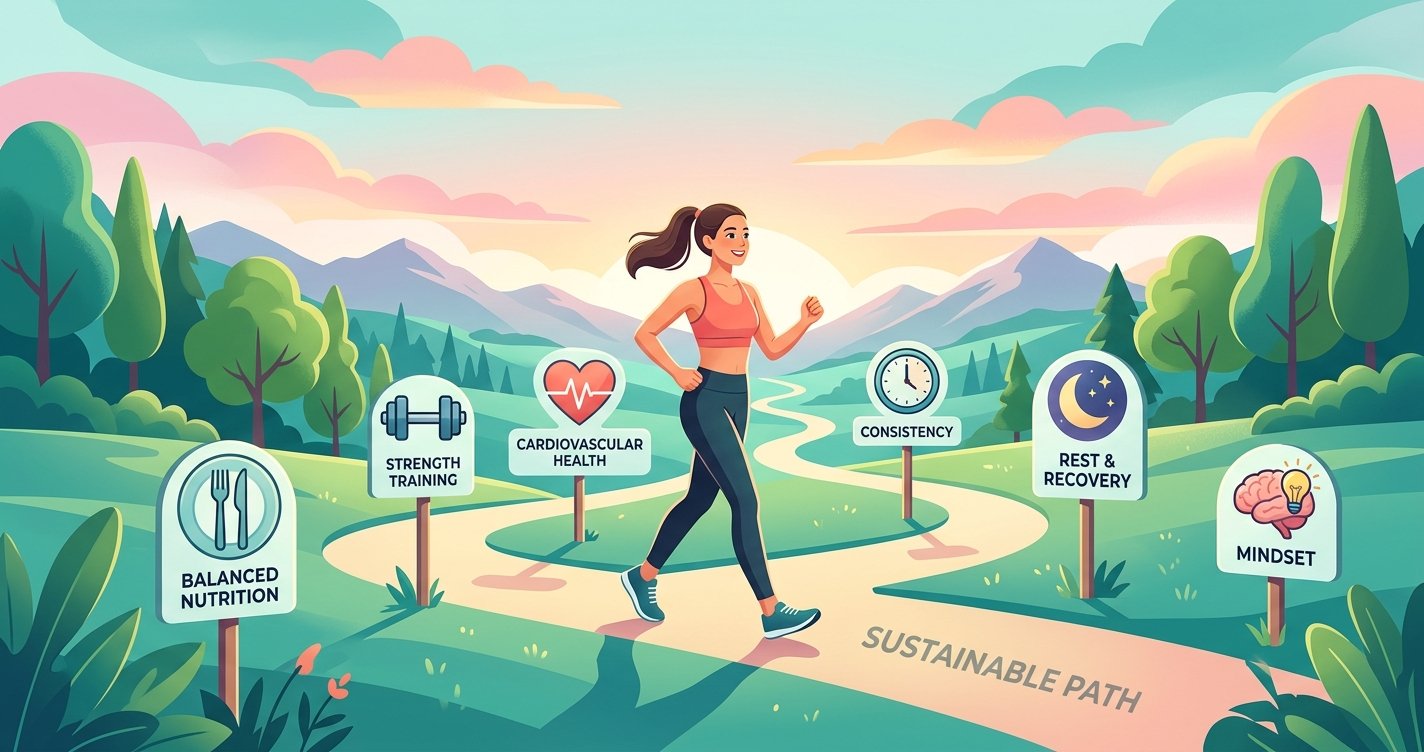
In a world obsessed with instant gratification, the siren song of 'quick fix' diets and extreme weight loss challenges is almost impossible to ignore. Promises of shedding pounds in days, detoxing your way to a new body, or magical supplements flood our feeds. But if you’ve been on this journey for a while, you know the harsh truth: these rapid approaches often lead to rapid disappointment, leaving you frustrated, drained, and often heavier than when you started. The good news? There's a better, more effective, and much kinder way to achieve lasting fat loss. It's about building sustainable habits, understanding your body, and embracing a journey of gradual, consistent progress rather than chasing fleeting results. This isn't just about losing weight; it's about transforming your relationship with food, exercise, and yourself for good.
The Foundation: Understanding a Sustainable Calorie Deficit
At its core, fat loss boils down to one fundamental principle: consuming fewer calories than your body expends. This is known as a calorie deficit. However, the 'how' of achieving this deficit is where sustainability comes into play. this excellent wellness product
Why Crash Diets Fail (And What to Do Instead)
Crash diets often advocate for extreme calorie restriction, sometimes as low as 800-1000 calories per day. While you might see initial rapid weight loss (often water weight and muscle mass, not just fat), this approach is highly unsustainable and detrimental. Your body perceives starvation, slowing down your metabolism to conserve energy. You'll likely experience intense hunger, fatigue, irritability, and nutrient deficiencies. Once you inevitably return to normal eating, your slower metabolism, coupled with increased cravings and a loss of muscle (which burns more calories than fat), makes weight regain almost inevitable – often with extra interest.
Instead, aim for a modest, sustainable deficit of 250-500 calories per day. This allows your body to adapt gradually, preserves muscle mass, and keeps hunger at bay. Focus on nutrient-dense, whole foods that keep you feeling full and satisfied, rather than simply eating 'less' of everything.
Finding Your Calorie Sweet Spot
Estimating your daily calorie needs can be done using online calculators that consider your age, gender, weight, height, and activity level. Once you have an estimate of your maintenance calories, subtract 250-500. Remember, these are just starting points. Listen to your body, track your progress, and adjust as needed. The goal isn't to hit a perfect number every single day, but to maintain an average deficit over time.
Fueling Your Journey: The Power of Protein
When it comes to sustainable fat loss, protein is your best friend. It plays several critical roles that make your journey smoother and more effective.
Satiety and Muscle Preservation
Protein is the most satiating macronutrient, meaning it keeps you feeling fuller for longer compared to carbohydrates or fats. Incorporating adequate protein into each meal can significantly reduce cravings and prevent overeating. Furthermore, during a calorie deficit, your body can break down muscle tissue for energy. A high protein intake helps to protect and preserve your precious muscle mass, which is crucial because muscle is metabolically active – it burns more calories at rest than fat does. This helps keep your metabolism humming along.
Practical Protein Sources
- Lean Meats: Chicken breast, turkey, lean beef, pork tenderloin.
- Fish & Seafood: Salmon, tuna, cod, shrimp.
- Eggs: A complete protein, versatile and affordable.
- Dairy: Greek yogurt, cottage cheese, milk (opt for lower fat versions).
- Legumes & Plant-Based: Lentils, beans, chickpeas, tofu, tempeh, edamame.
- Protein Supplements: Whey, casein, or plant-based protein powders can be convenient for boosting intake, especially post-workout.
Aim for roughly 0.7-1 gram of protein per pound of your target body weight per day, distributed across your meals.
Move Smarter, Not Just Harder: Integrating Exercise
While nutrition is paramount, exercise is the powerful complement that accelerates fat loss, improves body composition, and boosts overall health.
Strength Training: Your Fat Loss Secret Weapon
Forget the myth that strength training is just for bodybuilders. For sustainable fat loss, it's non-negotiable. Lifting weights (or using your body weight) builds and maintains muscle mass. More muscle means a higher resting metabolic rate, meaning you burn more calories even when you're not exercising. It also helps to sculpt your body, giving you a toned, athletic physique as you lose fat. Aim for 2-4 sessions of full-body strength training per week, focusing on compound movements like squats, deadlifts, presses, and rows.
The Role of Cardio: Heart Health and Calorie Burn
Cardiovascular exercise, like brisk walking, jogging, cycling, or swimming, is excellent for heart health, improves endurance, and burns calories. While it's great for creating an energy deficit, relying solely on cardio for fat loss can be counterproductive if done excessively, as it might lead to muscle loss. Integrate a mix of moderate-intensity cardio (e.g., 30-45 minutes, 3-4 times a week) and perhaps some high-intensity interval training (HIIT) for efficiency, but always prioritize strength training.
Beyond Diet & Exercise: The Unsung Heroes of Fat Loss
Sustainable fat loss isn't just about what you eat and how you move; it's deeply intertwined with your overall lifestyle. Neglecting these areas can sabotage even the most diligent efforts.
Prioritize Sleep for Hormonal Harmony
Lack of sleep is a silent fat loss killer. When you're sleep-deprived, two key hunger hormones go awry: ghrelin (which stimulates appetite) increases, and leptin (which signals fullness) decreases. This makes you hungrier, more prone to cravings for high-calorie foods, and reduces your willpower. Additionally, poor sleep elevates cortisol (the stress hormone), which can promote belly fat storage. Aim for 7-9 hours of quality sleep per night.
Master Stress to Master Cravings
Chronic stress, like poor sleep, keeps cortisol levels elevated. This can lead to increased appetite, a tendency to store fat around the abdomen, and emotional eating. Finding healthy ways to manage stress – whether it's meditation, yoga, spending time in nature, journaling, or connecting with loved ones – is crucial for both mental well-being and fat loss success.
Hydration: Simple Yet Powerful
Often overlooked, adequate water intake is vital. Water can help you feel fuller, potentially reducing overall calorie intake. It's also essential for metabolic processes, nutrient transport, and overall bodily function. Sometimes, what you perceive as hunger is actually thirst. Aim for at least 8 glasses of water a day, more if you're active.
Cultivating a Mindset for Lasting Change
The most sustainable fat loss journey is one that nurtures your mental and emotional well-being as much as your physical health.
Mindful Eating: Connecting with Your Body
Instead of rigid rules, practice mindful eating. Pay attention to your hunger and fullness cues. Eat slowly, savor your food, and eliminate distractions like screens. This helps you recognize when you're truly satisfied, preventing overeating, and fostering a healthier relationship with food. It’s about listening to your body's signals, not just following a meal plan.
Patience, Persistence, and Self-Compassion
Fat loss is rarely linear. There will be plateaus, setbacks, and moments of frustration. The key to sustainable success is not perfection, but persistence. Don't let a bad day or week derail your entire journey. Learn from challenges, adjust your approach, and get back on track. Be kind to yourself; self-compassion is a powerful tool for resilience. Celebrate small victories and focus on the habits you're building, not just the number on the scale.
Your Journey Starts Now: Small Steps, Big Impact
Sustainable fat loss isn't about a destination; it's about building a healthier lifestyle, one consistent habit at a time. It's about choosing nourishing foods, moving your body joyfully, prioritizing rest, and managing stress effectively. By focusing on these evidence-based strategies, you're not just losing fat; you're gaining energy, improving your health, and cultivating a resilience that will serve you for a lifetime. Start small, stay consistent, and remember that every positive choice is a step towards a healthier, happier you. Your body will thank you for it!