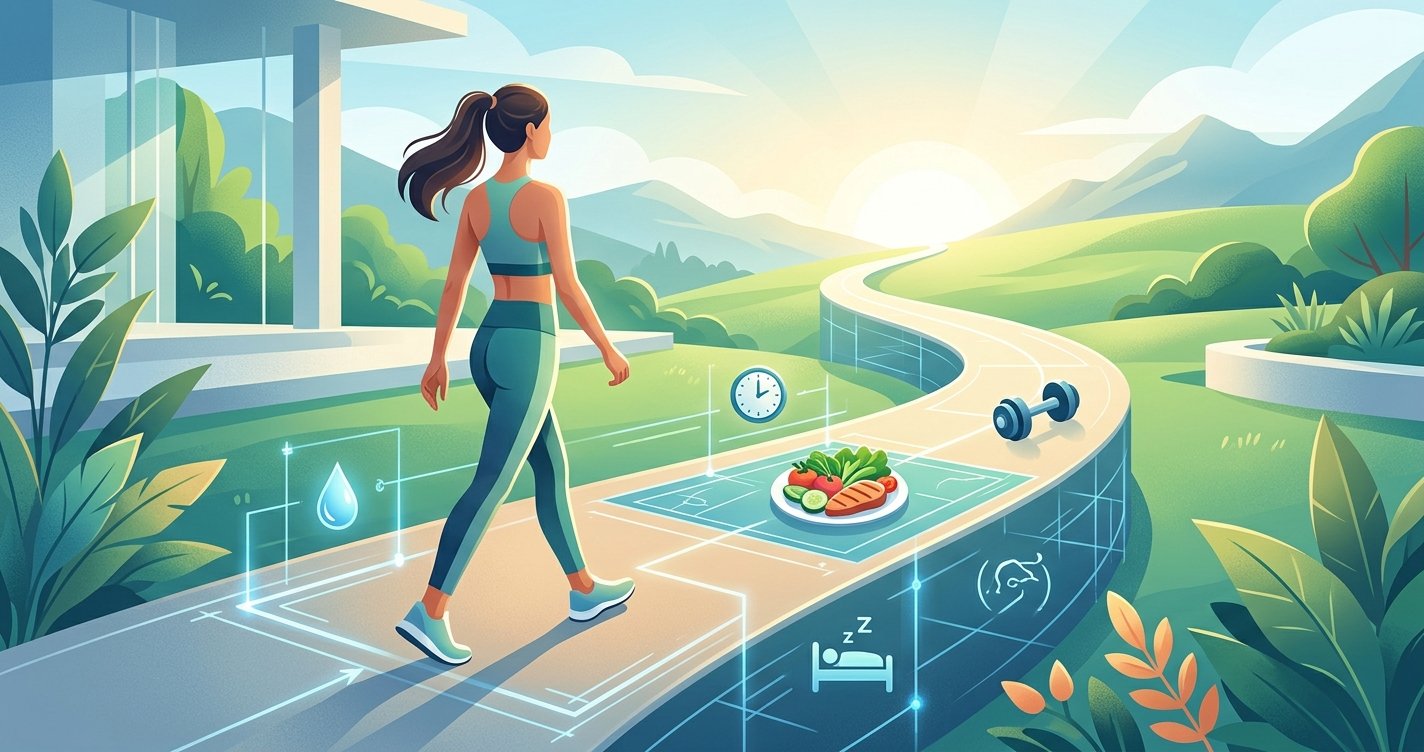
Are you tired of the endless cycle of restrictive diets, quick-fix solutions, and the frustrating rebound effect? If so, you're not alone. Many people embark on a fat loss journey with high hopes, only to find themselves back where they started – or even further behind. The truth is, sustainable fat loss isn't about deprivation or extreme measures; it's about understanding your body, building healthy habits, and making choices that you can stick with for life.
This isn't another promise of overnight miracles. Instead, we'll dive into an evidence-based, friendly, and encouraging approach to fat loss that focuses on long-term success. Get ready to ditch the fads and embrace a blueprint that empowers you to achieve lasting results, not just temporary wins. this excellent wellness product
The Foundational Truth: Energy Balance (Simplified!)
At its core, fat loss boils down to a fundamental principle: energy balance. To lose fat, you need to consistently consume slightly fewer calories than your body burns over time. This creates a caloric deficit.
- Calories In: This refers to the energy you get from the food and drinks you consume.
- Calories Out: This includes your Basal Metabolic Rate (BMR – the energy your body uses at rest), the Thermic Effect of Food (TEF – energy used to digest food), and your activity level (exercise and non-exercise activity thermogenesis or NEAT).
While tracking calories can be a useful tool for some, the goal isn't obsession. It's about developing an awareness of what you're eating and how it fuels your body. Focus on nutrient-dense foods that provide satiety without excessive calories, rather than simply cutting everything out. Think quality over quantity, most of the time.
Why Crash Diets Fail
Crash diets often create extreme caloric deficits, leading to rapid initial weight loss. However, this often comes at the cost of muscle mass, slows metabolism, and triggers intense hunger and cravings, making them unsustainable. Your body is smart; it will fight back against perceived starvation.
Smart Nutrition: Fueling Your Body for Fat Loss
Nutrition is arguably the most critical component of sustainable fat loss. But it doesn't have to be complicated or boring. Here's how to build a plate that supports your goals:
1. Prioritize Protein
Protein is your best friend for fat loss. It's highly satiating, meaning it keeps you feeling full for longer, reducing the urge to snack. It also helps preserve muscle mass during a caloric deficit, which is crucial for maintaining a healthy metabolism. Aim for a good source of lean protein with every meal:
- Chicken breast, turkey, lean beef
- Fish (salmon, cod, tuna)
- Eggs
- Greek yogurt, cottage cheese
- Legumes (lentils, beans)
- Tofu, tempeh
2. Embrace Fiber-Rich Foods
Fiber adds bulk to your meals without adding many calories, contributing to satiety and healthy digestion. Found in fruits, vegetables, whole grains, and legumes, fiber helps regulate blood sugar levels and supports a healthy gut microbiome, which can indirectly influence weight management.
3. Don't Fear Healthy Fats
While fats are calorie-dense, healthy fats are essential for hormone production, nutrient absorption, and satiety. Include moderate amounts of:
- Avocados
- Nuts and seeds
- Olive oil
- Fatty fish (like salmon)
These fats help you feel satisfied and can prevent overeating later.
4. Stay Hydrated
Often overlooked, adequate water intake is vital. Sometimes, our bodies confuse thirst with hunger. Drinking water throughout the day can help manage appetite, boost metabolism slightly, and ensure all your bodily functions are running optimally.
5. Practice Mindful Eating
Beyond *what* you eat, *how* you eat matters. Slow down, savor your food, and pay attention to your body's hunger and fullness cues. This helps prevent mindless overeating and fosters a healthier relationship with food.
Movement That Matters: Exercise Beyond Just Burning Calories
While you can't out-exercise a poor diet, strategic movement plays a powerful role in sustainable fat loss, improving body composition, and boosting overall health.
1. Strength Training is Non-Negotiable
Forget the myth that strength training makes women bulky. For both men and women, lifting weights is incredibly effective for fat loss. It builds and preserves muscle mass, which is more metabolically active than fat. This means a body with more muscle burns more calories at rest! Aim for 2-4 sessions per week, focusing on compound movements like squats, deadlifts, presses, and rows.
2. Incorporate Cardiovascular Exercise
Cardio burns calories and improves cardiovascular health. You don't need to spend hours on the treadmill. Consider a mix:
- HIIT (High-Intensity Interval Training): Short bursts of intense exercise followed by brief recovery periods. Efficient for calorie burn and fitness improvement.
- LISS (Low-Intensity Steady State): Walking, jogging, cycling at a moderate pace. Great for recovery, stress reduction, and overall activity.
3. Boost Your NEAT (Non-Exercise Activity Thermogenesis)
NEAT is the energy expended for everything we do that is not sleeping, eating, or sports-like exercise. Simple changes can make a big difference:
- Take the stairs instead of the elevator.
- Park further away.
- Walk or cycle short distances.
- Stand more often, fidget.
These small movements add up throughout the day, contributing significantly to your 'calories out'.
The Hidden Factors: Sleep, Stress, and Hormonal Harmony
You can eat perfectly and train hard, but if you neglect these crucial elements, fat loss can become an uphill battle.
1. Prioritize Quality Sleep
Lack of sleep wreaks havoc on your hormones. It increases ghrelin (the hunger hormone) and decreases leptin (the satiety hormone), making you feel hungrier and less satisfied after eating. Aim for 7-9 hours of quality sleep per night. Establish a consistent sleep schedule and create a relaxing bedtime routine.
2. Manage Stress Effectively
Chronic stress elevates cortisol levels. High cortisol can promote fat storage, particularly around the abdominal area, and increase cravings for high-calorie comfort foods. Find healthy ways to manage stress:
- Meditation or deep breathing
- Yoga or gentle exercise
- Spending time in nature
- Hobbies and social connection
Recognize your stressors and develop coping mechanisms that work for you.
3. Understand Hormonal Balance
While sleep and stress directly impact hormones, a balanced diet rich in micronutrients and healthy fats further supports overall hormonal health. If you suspect a deeper hormonal imbalance, consult a healthcare professional.
Cultivating a Sustainable Mindset: Habits That Stick
The journey to lasting fat loss is as much about mental fortitude and habit formation as it is about diet and exercise.
1. Set Realistic, SMART Goals
Instead of aiming for a drastic number on the scale, focus on achievable, sustainable goals. Use the SMART framework: Specific, Measurable, Achievable, Relevant, Time-bound. For example, 'I will walk 30 minutes, 5 times a week' is more effective than 'I will lose weight.'
2. Focus on Habit Stacking
Integrate new habits into your existing routine. For instance, 'After I brush my teeth in the morning, I will drink a large glass of water.' Small, consistent actions build momentum.
3. Track Progress Beyond the Scale
The scale doesn't tell the whole story. Celebrate non-scale victories:
- Increased energy levels
- Better sleep
- Clothes fitting differently
- Improved strength and endurance
- Positive mood changes
Take progress photos and measurements to see changes the scale might miss.
4. Embrace Imperfection and Learn from Setbacks
Life happens. There will be days you overeat or miss a workout. Don't let one slip-up derail your entire journey. Acknowledge it, learn from it, and get back on track with your next meal or workout. Self-compassion is key to long-term success.
Your Journey Forward: Embracing Lasting Change
Sustainable fat loss isn't a race; it's a marathon of consistent effort, smart choices, and self-compassion. By understanding the principles of energy balance, prioritizing smart nutrition, engaging in movement that matters, and nurturing your sleep and stress levels, you're not just losing weight – you're building a healthier, stronger, and more vibrant you.
Remember, this is your unique journey. Be patient with yourself, celebrate every small victory, and most importantly, enjoy the process of transforming your health from the inside out. You have the power to create lasting change!