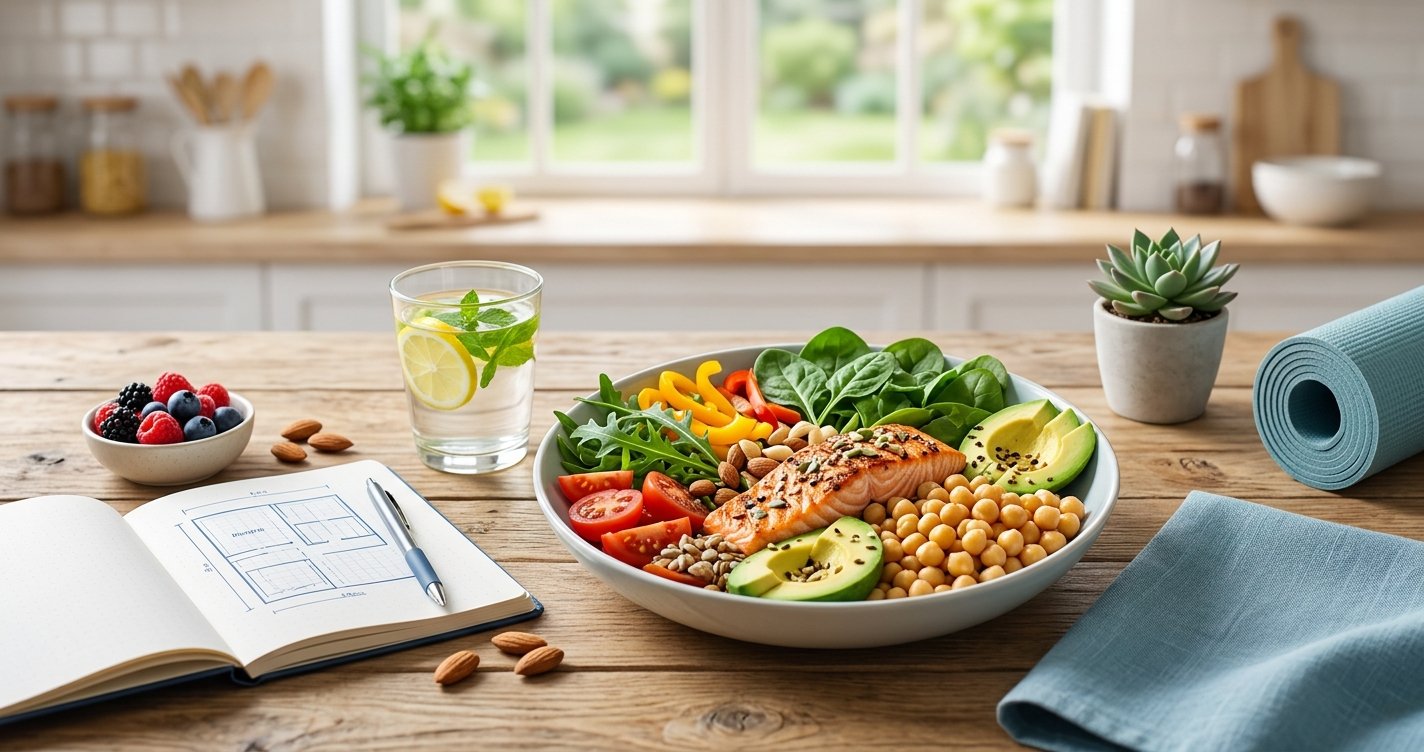
Are you tired of the endless cycle of crash diets, rapid weight loss, and inevitable rebound? You're not alone. In a world obsessed with quick fixes, it's easy to fall prey to promises of shedding pounds overnight. But true, lasting fat loss isn't about deprivation; it's about cultivating a balanced, sustainable lifestyle that nourishes your body and mind. This isn't just about looking good; it's about feeling great, having more energy, and building habits that serve you for a lifetime.
Forget the juice cleanses, the extreme calorie cuts, and the magic pills. We're going to explore an evidence-based approach to sustainable fat loss that focuses on consistency, enjoyment, and real, tangible results. Ready to ditch the diet mentality and embrace a healthier, happier you? Let's dive in. this excellent wellness product
Why Crash Diets Always Fail (and What to Do Instead)
The allure of rapid weight loss is powerful, but crash diets come with a steep price. They typically involve severe calorie restriction, which can lead to a host of negative consequences:
- Metabolic Slowdown: Your body perceives extreme dieting as starvation and slows down your metabolism to conserve energy, making future fat loss harder.
- Muscle Loss: When you restrict calories too much, your body doesn't just burn fat; it also breaks down muscle tissue for energy. Less muscle means a lower resting metabolism.
- Nutrient Deficiencies: Extreme diets often lack essential vitamins and minerals, impacting your overall health, energy levels, and even mood.
- Rebound Weight Gain: Once you stop the unsustainable diet, your body, now with a slower metabolism and a primal urge to regain lost energy stores, often puts back more weight than you lost, usually as fat.
- Mental and Emotional Toll: Constant hunger, cravings, irritability, and guilt are common companions of crash dieting, leading to a strained relationship with food and your body.
Instead of drastic cuts, the secret to sustainable fat loss lies in a moderate, consistent caloric deficit. This means consuming slightly fewer calories than your body burns, allowing for gradual fat loss without triggering your body's survival mechanisms or causing nutrient deficiencies. Think of it as a gentle nudge, not a forceful shove, towards your goals.
The Cornerstone: Nutrition for Sustainable Fat Loss
What you eat plays the most significant role in fat loss. But it doesn't have to be boring or restrictive. It's about smart choices and understanding the power of different food groups.
1. Prioritize Protein
Protein is your best friend when it comes to fat loss. It's highly satiating, meaning it keeps you feeling fuller for longer, reducing overall calorie intake. Furthermore, protein helps preserve muscle mass during a caloric deficit, which is crucial for maintaining a healthy metabolism. Aim for a lean protein source with every meal: chicken, fish, lean beef, eggs, tofu, lentils, or Greek yogurt.
2. Embrace Whole, Unprocessed Foods
Focus on nutrient-dense foods that provide vitamins, minerals, and fiber without excessive calories. This includes:
- Fruits and Vegetables: Packed with fiber and water, they fill you up with minimal calories.
- Whole Grains: Oats, brown rice, quinoa provide sustained energy and fiber.
- Legumes: Beans, lentils are great sources of protein and fiber.
These foods support overall health, aid digestion, and help control hunger.
3. Don't Fear Healthy Fats
While fats are calorie-dense, healthy fats are essential for hormone production, nutrient absorption, and satiety. Incorporate sources like avocados, nuts, seeds, and olive oil in moderation. They help keep you satisfied and prevent cravings for unhealthy snacks.
4. Hydration is Key
Often overlooked, drinking enough water is vital. Sometimes, our body confuses thirst with hunger. Water also supports metabolic processes and can help you feel fuller before meals. Aim for at least 8 glasses a day, and more if you're active.
Move Your Body: Exercise for Enhanced Fat Loss
While nutrition is paramount, exercise acts as a powerful accelerator for fat loss, improving body composition and overall well-being.
1. Strength Training is Non-Negotiable
Building and maintaining muscle mass is incredibly important for fat loss. Muscle tissue is metabolically active, meaning it burns more calories at rest than fat tissue. Incorporate 2-4 strength training sessions per week, targeting all major muscle groups. You don't need a gym; bodyweight exercises are a fantastic starting point!
2. Cardio for Heart Health and Calorie Burn
Cardiovascular exercise, like brisk walking, jogging, cycling, or swimming, helps burn calories and improves heart health. Mix in both moderate-intensity steady-state cardio (LISS) and high-intensity interval training (HIIT) for varied benefits and to keep things interesting.
3. Boost Your NEAT
NEAT (Non-Exercise Activity Thermogenesis) refers to the calories you burn through everyday activities that aren't formal exercise. Think walking more, taking the stairs, standing while working, fidgeting. These small movements add up significantly over time and can make a big difference in your daily calorie expenditure.
The Unsung Heroes: Sleep, Stress, and Mindset
Fat loss isn't just about calories in and calories out; it's deeply intertwined with your overall lifestyle and mental well-being.
1. Prioritize Quality Sleep
Lack of sleep disrupts hormones that regulate appetite (ghrelin and leptin), making you feel hungrier and crave unhealthy foods. It also increases cortisol levels, which can promote fat storage, especially around the belly. Aim for 7-9 hours of quality sleep per night.
2. Manage Stress Effectively
Chronic stress also elevates cortisol, leading to similar issues as sleep deprivation. Find healthy ways to manage stress, whether it's meditation, yoga, spending time in nature, or engaging in hobbies you love. This can significantly impact your ability to lose fat and maintain it.
3. Cultivate a Positive Mindset and Practice Mindful Eating
Fat loss is a journey, not a sprint. Be patient and compassionate with yourself. Focus on progress, not perfection. Practice mindful eating by savoring your food, eating slowly, and paying attention to your body's hunger and fullness cues. This helps prevent overeating and fosters a healthier relationship with food.
Building Sustainable Habits: Consistency Over Intensity
The key to lasting results is consistency. Small, manageable changes that you can stick with indefinitely are far more effective than drastic measures you can only sustain for a few weeks.
- Start Small: Don't try to overhaul everything at once. Begin with one or two changes, like adding more protein to breakfast or walking for 30 minutes daily.
- Track Your Progress: The scale is just one tool. Also monitor non-scale victories like increased energy, better sleep, clothes fitting differently, and improved strength.
- Be Flexible: Life happens. Don't let one 'off' meal or missed workout derail your entire journey. Get back on track with your next meal or session.
- Find Your Joy: Exercise and healthy eating shouldn't feel like a punishment. Find activities you genuinely enjoy and foods you love that also support your goals.
Embrace Your Journey to Lasting Fat Loss
Sustainable fat loss isn't about deprivation; it's about empowerment. It's about understanding your body, making informed choices, and building a lifestyle that supports your health and happiness for the long haul. By focusing on a balanced approach to nutrition, consistent movement, quality sleep, stress management, and a positive mindset, you're not just losing fat—you're gaining a healthier, more vibrant life.
This journey takes time, patience, and consistency, but the rewards are immeasurable. You have the power to transform your health and achieve lasting results. Start today, one small, sustainable step at a time.