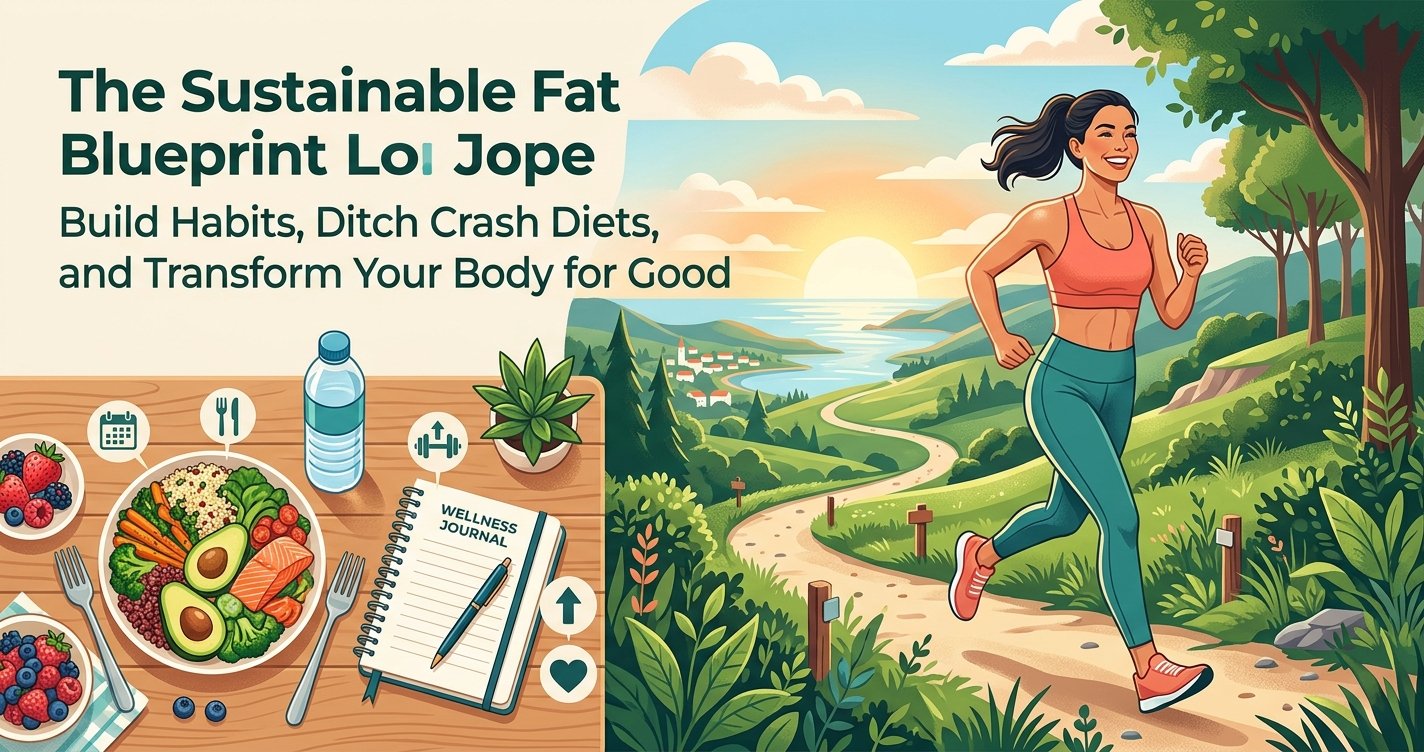
Are you tired of the endless cycle of crash diets, restrictive eating, and temporary weight loss only to gain it all back, and sometimes more? You're not alone. Millions struggle with finding a sustainable path to fat loss, often falling prey to quick fixes that promise rapid results but deliver little in the way of long-term success. The good news? There's a better way. A way that focuses on building lasting habits, understanding your body, and fostering a healthy relationship with food and exercise. Welcome to the sustainable fat loss blueprint – your guide to transforming your body and mind for good, without the deprivation.
Why Crash Diets Fail: The Vicious Cycle
Before we dive into what works, let's understand why most conventional diets don't. Crash diets, characterized by extreme calorie restriction or eliminating entire food groups, often lead to rapid initial weight loss. This can feel encouraging, but it's rarely sustainable. Here's why they set you up for failure: this excellent wellness product
- Metabolic Slowdown: Your body is smart. When it senses a severe calorie deficit, it adapts by slowing down your metabolism to conserve energy, making further fat loss harder.
- Muscle Loss: Rapid weight loss often means losing precious muscle mass, which is metabolically active and helps burn calories even at rest. Less muscle means a slower metabolism in the long run.
- Nutrient Deficiencies: Restrictive diets can deprive your body of essential vitamins and minerals, leading to fatigue, mood swings, and impaired bodily functions.
- Unbearable Hunger and Cravings: Extreme restriction triggers intense hunger and cravings, making it incredibly difficult to stick to the plan. This often leads to overeating or 'falling off the wagon,' followed by guilt and renewed restriction – a classic yo-yo dieting pattern.
- Unsustainable Lifestyle: Crash diets are not designed for real life. They isolate you socially, make eating out a nightmare, and are simply not enjoyable or practical to maintain indefinitely.
The goal isn't just to lose weight; it's to lose fat sustainably and improve your overall health. And for that, we need a different approach.
The Foundation: Understanding Your Energy Balance
At its core, fat loss boils down to one fundamental principle: energy balance. To lose fat, you need to consistently consume slightly fewer calories than your body burns. This is known as a calorie deficit.
Think of your body like a car. Food is fuel. If you put in less fuel than you use, the car starts to tap into its reserves (stored fat). While simple in theory, achieving this consistently and healthily is where the habits come in. We're not talking about starvation; we're talking about a moderate, manageable deficit that your body can adapt to without triggering extreme protective measures.
Understanding your Basal Metabolic Rate (BMR) – the calories your body burns at rest – and factoring in your activity level can give you a good starting point for your daily calorie needs. From there, a modest deficit of 300-500 calories per day is often effective and sustainable for most individuals.
Nutrition for Lasting Fat Loss: Fueling Your Body Smartly
Forget deprivation. Sustainable fat loss is about intelligent nourishment. It’s about making smart food choices that satisfy you, fuel your body, and support your metabolism.
Prioritize Protein: Your Satiety Secret Weapon
Protein is king for fat loss. It's the most satiating macronutrient, meaning it keeps you feeling fuller for longer, reducing the likelihood of overeating. Protein also has a higher thermic effect of food (TEF) – your body burns more calories digesting protein than carbs or fats. Aim for a protein source with every meal:
- Lean meats (chicken, turkey, lean beef)
- Fish and seafood
- Eggs
- Dairy (Greek yogurt, cottage cheese)
- Legumes and lentils
- Tofu and tempeh
Embrace Whole Foods: Nature's Nutrient Powerhouses
Focus on whole, unprocessed foods. These are packed with fiber, vitamins, and minerals, which are crucial for overall health and satiety. They also tend to be less calorie-dense than their processed counterparts.
- Fruits and Vegetables: Eat a rainbow! These are low in calories, high in fiber, and loaded with micronutrients.
- Complex Carbohydrates: Opt for whole grains like oats, quinoa, brown rice, and sweet potatoes. They provide sustained energy and fiber.
- Healthy Fats: Don't fear fat! Avocados, nuts, seeds, and olive oil are essential for hormone production, nutrient absorption, and satiety. Just remember they are calorie-dense, so portion control is key.
Hydration is Key
Often overlooked, adequate water intake is vital. Sometimes, what you perceive as hunger is actually thirst. Drinking water before meals can also help you feel fuller, potentially reducing overall calorie intake. Aim for at least 8-10 glasses of water daily.
Move Your Body: Exercise Beyond Just Burning Calories
While nutrition is paramount, exercise plays a critical role in sustainable fat loss. It's not just about burning calories during your workout; it's about building a stronger, healthier, and more metabolically active body.
The Power of Strength Training
If there's one exercise type you shouldn't skip, it's strength training. Building muscle is like giving your metabolism a permanent boost. The more muscle you have, the more calories your body burns at rest. Aim for 2-4 strength training sessions per week, focusing on compound movements that work multiple muscle groups.
Cardio for Health and Energy
Cardiovascular exercise (like brisk walking, jogging, cycling, or swimming) is excellent for heart health, endurance, and certainly contributes to calorie expenditure. Incorporate both steady-state cardio and perhaps some high-intensity interval training (HIIT) for variety and efficiency, 2-3 times a week.
NEAT: The Unsung Hero
Non-Exercise Activity Thermogenesis (NEAT) refers to the calories you burn through everyday movements not related to structured exercise. Think walking, fidgeting, taking the stairs, cleaning, or parking further away. Increasing your NEAT can significantly impact your daily calorie expenditure without feeling like a workout. Get a step counter and aim for 8,000-10,000 steps a day!
Beyond Diet and Exercise: The Crucial Pillars
Sustainable fat loss isn't just about what you eat and how you move. Your lifestyle factors play an enormous role in your body's ability to burn fat and maintain a healthy weight.
Sleep Your Way to Success
Lack of sleep wreaks havoc on your hormones. It increases ghrelin (the hunger hormone) and decreases leptin (the satiety hormone), making you feel hungrier and less satisfied. Poor sleep also elevates cortisol, the stress hormone, which can promote fat storage, especially around the belly. Aim for 7-9 hours of quality sleep per night.
Master Your Stress
Chronic stress, like lack of sleep, keeps cortisol levels elevated. This not only encourages fat storage but can also lead to emotional eating and a general lack of motivation for healthy habits. Find healthy ways to manage stress, such as:
- Mindfulness and meditation
- Yoga or stretching
- Spending time in nature
- Hobbies and creative outlets
- Deep breathing exercises
Cultivate a Growth Mindset
Your mental approach is just as important as your physical one. Embrace the journey, understand that setbacks are normal, and learn from them. Celebrate small victories, practice self-compassion, and focus on progress, not perfection. Believe in your ability to change and adapt.
Building Habits That Stick: Small Steps, Big Results
The secret to sustainable fat loss isn't a quick fix; it's consistent, small, positive changes that accumulate over time. Instead of overhauling everything at once, pick one or two habits to focus on each week or month. For example:
- Start by adding a protein source to every meal.
- Then, commit to drinking 8 glasses of water daily.
- Next, incorporate 30 minutes of walking into your routine.
- Follow by swapping sugary drinks for water or unsweetened tea.
These small victories build confidence and momentum. Track your progress (not just the scale!), journal your feelings, and adjust as needed. Remember, consistency beats intensity every single time.
Your Journey Starts Now: Embrace the Process
Sustainable fat loss is a journey, not a destination. It's about learning, adapting, and building a healthier lifestyle that you can genuinely enjoy for years to come. Ditch the crash diets, embrace evidence-based strategies, and focus on nurturing your body with good nutrition, consistent movement, adequate sleep, and stress management. Be patient with yourself, celebrate every step forward, and remember that true transformation comes from within. You have the power to create lasting change – one healthy habit at a time. Let's start building that blueprint for a healthier, happier you today!