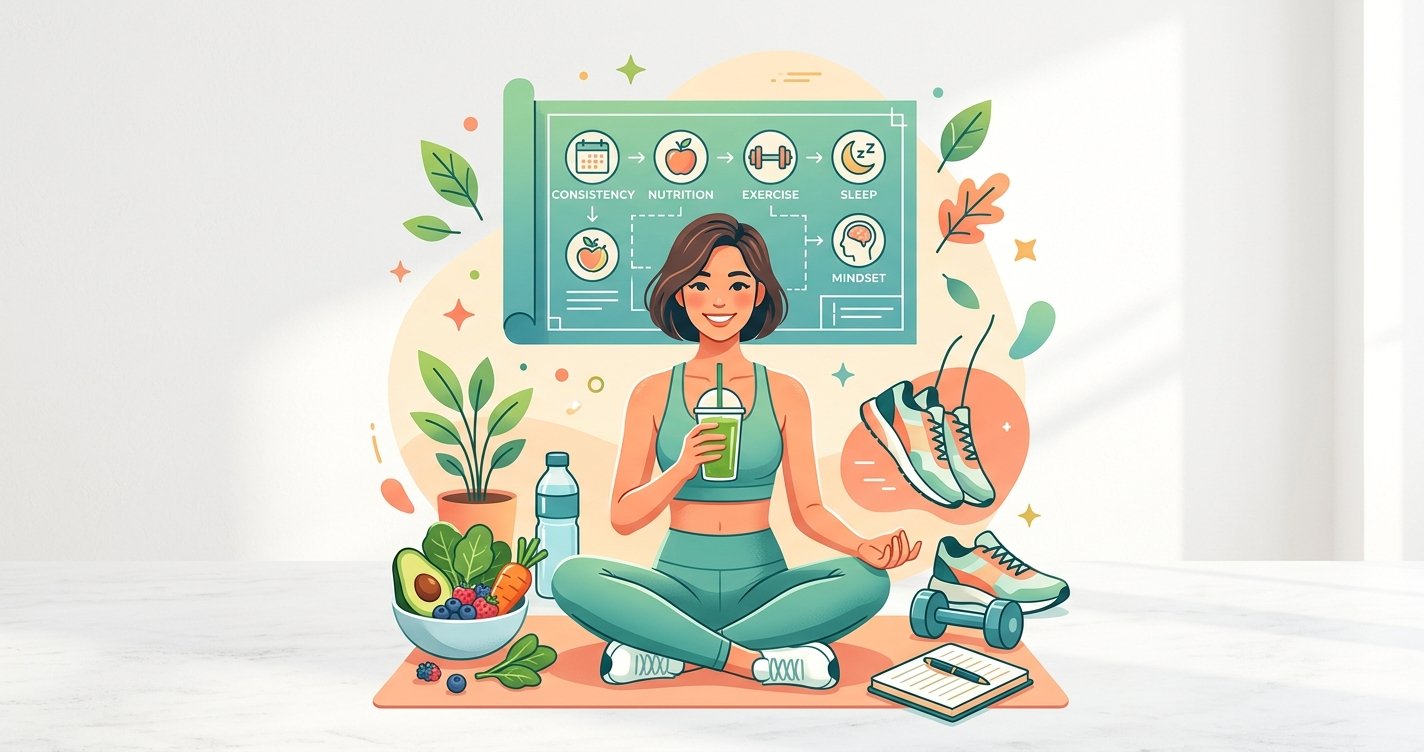
Are you tired of the endless cycle of restrictive diets, rapid weight loss, and even faster regain? You're not alone. The journey to fat loss can often feel like a frustrating rollercoaster, filled with promises of quick fixes that ultimately leave us feeling defeated and further from our goals. But what if there was a different way? A path that focuses not on deprivation, but on building lasting habits that genuinely support your body, mind, and long-term well-being? Welcome to the world of sustainable fat loss – a journey towards a healthier, happier you that’s built on evidence, patience, and self-compassion.
This isn't about chasing a number on the scale for a fleeting moment. It's about empowering you with the knowledge and tools to create a lifestyle where fat loss is a natural outcome of nourishing your body and living actively. Forget the extreme measures; let's explore how to achieve lasting results that you can comfortably maintain, allowing you to thrive not just physically, but mentally too. this excellent wellness product
Why "Quick Fixes" Don't Last (And What Does!)
The allure of shedding pounds quickly is powerful, and diet culture often capitalizes on this desire. From detox teas to extreme calorie restriction, the market is flooded with solutions promising immediate results. While some of these methods might lead to initial weight loss, they rarely distinguish between water weight, muscle loss, and actual fat loss. More importantly, they often set you up for failure in the long run.
The Yo-Yo Diet Cycle Explained
When you drastically cut calories or eliminate entire food groups, your body perceives this as a threat. Initially, you might lose weight, but your body is incredibly smart and adapts. This often leads to the dreaded "yo-yo" effect. Once the restrictive diet ends (because, let's be real, they're unsustainable), old habits often return, and the weight, often with extra, piles back on. This cycle is not only disheartening but can also have negative impacts on your metabolism and overall health.
Understanding Metabolic Adaptation: Your Body's Clever Defense
One key reason quick fixes fail is metabolic adaptation. When you consistently eat far fewer calories than your body needs, your metabolism can slow down to conserve energy. This isn't just a theory; research consistently shows that prolonged, aggressive dieting can lead to a decrease in your resting metabolic rate. This means your body burns fewer calories at rest, making it harder to lose fat and easier to regain it once you return to a more typical eating pattern. Sustainable fat loss acknowledges this biological reality and aims for a more gradual, respectful approach.
The Pillars of Sustainable Fat Loss: Fueling Your Success
Instead of focusing on what to eliminate, let's shift our attention to what to include – nutrient-dense foods that support your metabolism, keep you feeling full, and provide sustained energy. This is where true, lasting change begins.
Prioritizing Protein: Your Satiety & Muscle Guardian
If there's one macronutrient that deserves a spotlight in your fat loss journey, it's protein. Protein has a higher thermic effect of food (TEF) than carbs or fats, meaning your body burns more calories digesting it. More importantly, protein is incredibly satiating, helping you feel fuller for longer and reducing overall calorie intake naturally. It's also crucial for preserving muscle mass, which is vital for a healthy metabolism, especially during a calorie deficit. Aim for a good source of lean protein with every meal: chicken, fish, lean beef, eggs, dairy, legumes, and plant-based alternatives.
The Power of Whole Foods: Fueling Your Body Smartly
Think single-ingredient foods: fruits, vegetables, whole grains, lean proteins, nuts, and seeds. These foods are packed with vitamins, minerals, fiber, and antioxidants, providing maximum nutrition with fewer calories compared to highly processed alternatives. The fiber in whole foods aids digestion, promotes satiety, and helps regulate blood sugar, all crucial factors in sustainable fat loss. Making whole foods the foundation of your diet naturally leads to better food choices and a more nutrient-rich intake.
Don't Fear the Fats (Healthy Fats, That Is!)
For decades, fat was demonized, but we now know that healthy fats are essential for hormone production, nutrient absorption, and satiety. Avocados, nuts, seeds, olive oil, and fatty fish (like salmon) provide crucial omega-3 fatty acids and monounsaturated fats that support overall health and can actually help you feel satisfied after meals. While calorie-dense, incorporating healthy fats in moderation is key to a balanced, sustainable eating pattern that prevents cravings and supports well-being.
Strategic Carbohydrates: Energy for Your Journey
Carbohydrates are not the enemy! They are your body's primary energy source, especially important for physical activity and brain function. The key is choosing the right kind. Focus on complex carbohydrates like oats, quinoa, brown rice, sweet potatoes, and whole-grain breads. These provide sustained energy, fiber, and essential nutrients, preventing energy crashes and keeping hunger at bay. Limit refined carbs (sugary drinks, white bread, pastries) which offer little nutritional value and can contribute to energy spikes and subsequent crashes.
Beyond the Plate: Lifestyle Habits That Make a Difference
Sustainable fat loss isn't just about what you eat; it's about how you live. Holistic well-being plays a massive role in your body's ability to shed fat and maintain a healthy weight.
The Non-Negotiable Role of Sleep
In our busy lives, sleep is often the first thing to get cut. However, insufficient sleep wreaks havoc on your hormones, specifically ghrelin (the hunger hormone) and leptin (the satiety hormone). When you're sleep-deprived, ghrelin levels rise, making you feel hungrier, while leptin levels drop, meaning you don't feel as full. This can lead to increased cravings for high-calorie, sugary foods. Aim for 7-9 hours of quality sleep per night to support your body's natural fat-regulating processes.
Stress Management: Taming the Cortisol Beast
Chronic stress triggers the release of cortisol, often called the "stress hormone." Elevated cortisol levels can promote fat storage, particularly around the abdominal area, and can increase appetite and cravings for comfort foods. Finding healthy ways to manage stress – whether through meditation, yoga, spending time in nature, or hobbies – is a powerful, often overlooked, component of sustainable fat loss.
Movement Matters: Finding Joy in Activity
You don't need to spend hours in the gym to see results. The most effective exercise plan is one you enjoy and can stick with consistently. Incorporate a mix of resistance training (to build and preserve muscle) and cardiovascular activity (for heart health and calorie expenditure). Even simple changes, like walking more, taking the stairs, or dancing in your living room, contribute to your overall activity level and calorie burn. Find what you love and make it a regular part of your routine.
Hydration: The Often-Forgotten Ally
Water is vital for countless bodily functions, including metabolism. Sometimes, what we perceive as hunger is actually thirst. Drinking enough water throughout the day can help you feel fuller, support digestion, and ensure your body is functioning optimally. Aim for at least 8 glasses (around 2 liters) a day, and even more if you're active or in a hot climate.
Building Habits That Stick: Small Steps, Big Results
The secret to sustainability lies in consistency, not perfection. Embrace the process of gradual change and celebrate every small victory.
Start Small, Be Consistent
Don't try to overhaul everything at once. Pick one or two habits to focus on first. Once that habit feels ingrained, add another. Small, consistent changes are far more powerful than drastic, short-lived efforts. Consider starting with:
- Adding a serving of protein to every meal.
- Committing to a 15-minute walk daily.
- Replacing one sugary drink with water each day.
Track and Adjust: Mindful Awareness
While strict calorie counting isn't always necessary long-term, having an awareness of your intake and activity can be incredibly helpful. Use a food diary, a tracking app, or simply practice mindful eating – paying attention to hunger and fullness cues. Regularly assess your progress (not just on the scale, but how your clothes fit, energy levels, strength) and be willing to adjust your approach as needed. Your body is constantly changing, and your strategy should be flexible too.
Embrace Imperfection: Resilience is Key
There will be days when you overeat, miss a workout, or feel discouraged. This is a normal part of life, not a sign of failure. The key is how you respond. Don't let one slip-up derail your entire journey. Acknowledge it, learn from it, and get back on track with your next meal or workout. Self-compassion and resilience are your greatest assets in sustainable fat loss.
Your Sustainable Fat Loss Journey Starts Now
Achieving lasting fat loss isn't about chasing fleeting trends; it's about cultivating a healthier relationship with your body, food, and movement. It's about making informed choices that nourish you from the inside out, building habits that feel good, and respecting your body's natural rhythms. Embrace the journey, be patient with yourself, and celebrate every step of progress. By focusing on these sustainable pillars, you're not just losing fat; you're building a foundation for lifelong health and vitality. You've got this!