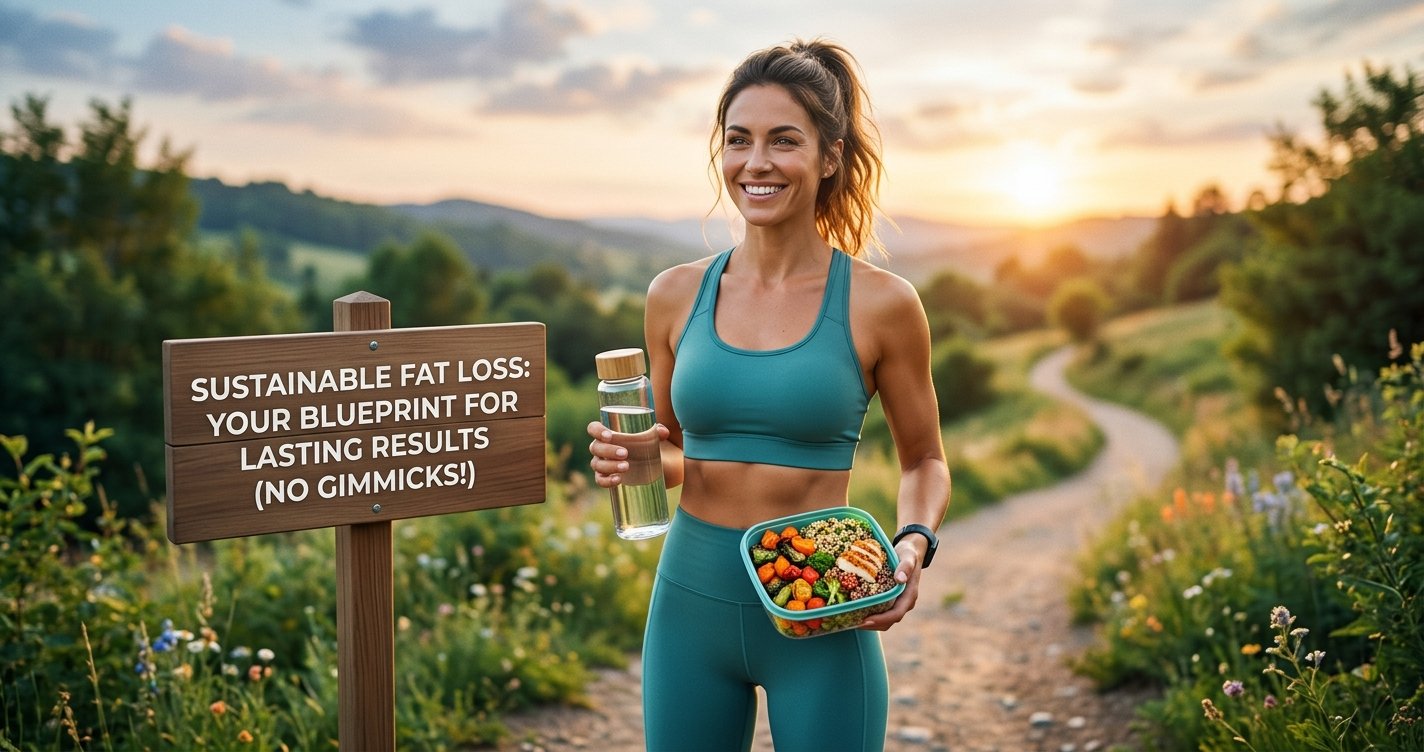
Sustainable Fat Loss: Your Blueprint for Lasting Results (No Gimmicks!)
Are you tired of the endless cycle of diets? The quick fixes that promise dramatic results only to leave you feeling defeated and heavier than before? You’re not alone. In a world saturated with fleeting trends and magic pills, it’s easy to get lost. But what if we told you that sustainable fat loss isn't about deprivation or extreme measures, but about building a healthier, happier lifestyle? This isn't just about shedding pounds; it's about transforming your relationship with food, movement, and your own body for the long haul.
We’re here to cut through the noise and provide you with an evidence-based, encouraging blueprint for achieving fat loss that actually lasts. Forget the temporary fixes and embrace a journey that prioritizes your well-being. Let's dive into the science-backed strategies that will empower you to create sustainable change. this excellent wellness product
Why Quick Fixes Fail: The Cycle of Dieting
Before we build, let’s understand why so many traditional diets crumble. The allure of rapid weight loss is powerful, but severe calorie restriction often triggers your body's survival mechanisms. Your metabolism can slow down, making it harder to burn fat, and your hunger hormones (like ghrelin) can spike, leading to intense cravings. This metabolic adaptation, combined with the psychological toll of deprivation, often leads to rebound weight gain, making you feel like a failure when the diet inevitably ends.
Sustainable fat loss, on the other hand, focuses on gradual, manageable changes that your body and mind can adapt to over time. It’s about building habits that serve you for life, not just for a few weeks.
The Pillars of Sustainable Fat Loss
True, lasting fat loss isn't a single switch; it's a combination of interconnected pillars working in harmony. Let's explore each one.
Pillar 1: Smart Nutrition – Fueling Your Body, Not Depriving It
Nutrition is often the cornerstone of any fat loss journey, but it doesn't have to be restrictive. The goal is to create a moderate calorie deficit – consuming slightly fewer calories than your body burns – while ensuring you get all the nutrients you need. Think abundance, not absence!
- Protein Power: Protein is your best friend for fat loss. It’s highly satiating, meaning it keeps you feeling full longer, and it helps preserve muscle mass during a calorie deficit. Aim for a good source of lean protein at every meal (chicken, fish, eggs, tofu, legumes).
- Fiber Focus: Found in fruits, vegetables, and whole grains, fiber adds bulk to your meals, promoting satiety and aiding digestion. It also helps regulate blood sugar levels, preventing those energy crashes that can lead to unhealthy snacking.
- Healthy Fats: Don't fear fats! Healthy fats (from avocados, nuts, seeds, olive oil) are crucial for hormone production, nutrient absorption, and keeping you satisfied. Portion control is key, as they are calorie-dense.
- Hydration: Water is often overlooked but plays a vital role. It can help you feel fuller, aids in metabolism, and is essential for countless bodily functions. Aim for at least 8 glasses a day.
- Mindful Eating: Pay attention to your body's hunger and fullness cues. Eat slowly, savor your food, and put away distractions. This practice can help prevent overeating and improve your digestion.
Pillar 2: Strategic Movement – Beyond Just Cardio
While nutrition is paramount, exercise is the accelerator. It boosts your metabolism, builds muscle (which burns more calories at rest), improves cardiovascular health, and elevates your mood. A balanced approach is most effective.
- Strength Training is King: Don't skip the weights! Building muscle is incredibly important for fat loss. Muscle tissue is metabolically active, meaning it burns more calories even when you're at rest compared to fat tissue. Aim for 2-4 strength training sessions per week, targeting all major muscle groups.
- Cardio for Health & Burn: Incorporate moderate-intensity cardio (like brisk walking, jogging, cycling, or swimming) for 150-300 minutes per week. This improves heart health and contributes to your calorie deficit. High-intensity interval training (HIIT) can also be effective for shorter bursts.
- NEAT (Non-Exercise Activity Thermogenesis): This is all the movement you do outside of structured exercise. Take the stairs, park further away, walk during phone calls, do chores. These small movements add up significantly throughout the day and contribute to your overall calorie expenditure.
- Consistency Over Intensity: It’s better to do something consistently than to attempt grueling workouts you can’t maintain. Find activities you enjoy!
Pillar 3: The Unsung Heroes – Sleep & Stress Management
You can eat perfectly and exercise diligently, but if you neglect sleep and stress, your fat loss efforts will be severely hampered. These are truly the unsung heroes of sustainable weight management.
- Sleep's Impact: Lack of sleep disrupts your hunger hormones. Ghrelin (the hunger hormone) increases, while leptin (the satiety hormone) decreases, making you feel hungrier and less satisfied. It also increases cortisol, a stress hormone linked to belly fat storage. Aim for 7-9 hours of quality sleep per night.
- Taming Stress: Chronic stress also elevates cortisol levels, which can lead to increased appetite, cravings for comfort foods, and fat storage, particularly around the abdomen. Find healthy ways to manage stress: meditation, yoga, spending time in nature, hobbies, or talking to a friend.
Pillar 4: Mindset Matters – Building a Sustainable Relationship with Your Body
Your mental approach to fat loss is just as crucial as your physical actions. This isn't just a diet; it's a lifestyle shift that requires patience, self-compassion, and a positive outlook.
- Patience and Consistency: Sustainable fat loss is a marathon, not a sprint. There will be good days and bad days. Focus on consistency over perfection. Small, consistent efforts compound over time.
- Self-Compassion, Not Perfection: Don't beat yourself up over occasional slip-ups. One less-than-perfect meal or missed workout doesn't derail your entire journey. Learn from it, forgive yourself, and get back on track.
- Tracking Progress Beyond the Scale: While the scale can be a tool, it doesn't tell the whole story. Track other victories: improved energy, better sleep, clothes fitting differently, increased strength, better mood, consistent habits.
- Setting Realistic Goals: Aim for a gradual fat loss of 0.5-1% of your body weight per week. This rate is more sustainable and less likely to trigger metabolic slowdown.
- Building Healthy Habits: Focus on one or two new habits at a time until they become second nature. This could be drinking water first thing in the morning, taking a 20-minute walk after dinner, or ensuring protein at breakfast.
Overcoming Plateaus and Staying Motivated
Plateaus are a normal part of any fat loss journey. Your body is incredibly adaptive, and sometimes it needs a nudge. Don't get discouraged!
- Re-evaluate Your Strategies: Are you still in a calorie deficit? Has your activity level decreased? Are you getting enough sleep? Sometimes small adjustments to your nutrition or exercise routine are all that's needed.
- Mix Up Your Workouts: Introduce new exercises, increase intensity, or try a different form of activity to challenge your body in new ways.
- Seek Support: Connect with a coach, a nutritionist, or a supportive community. Having accountability and guidance can make a huge difference.
- Celebrate Non-Scale Victories: Remember all those other ways you're improving! Acknowledge your progress, no matter how small.
Embrace Your Sustainable Journey
Sustainable fat loss isn't about chasing an arbitrary number on the scale; it's about building a healthier, stronger, and more confident you. By focusing on smart nutrition, strategic movement, quality sleep, stress management, and a positive mindset, you’re not just losing fat – you’re gaining a blueprint for a vibrant, lasting lifestyle.
Ditch the quick fixes and embrace this empowering journey. Your body and mind will thank you. What small, sustainable step will you take today?