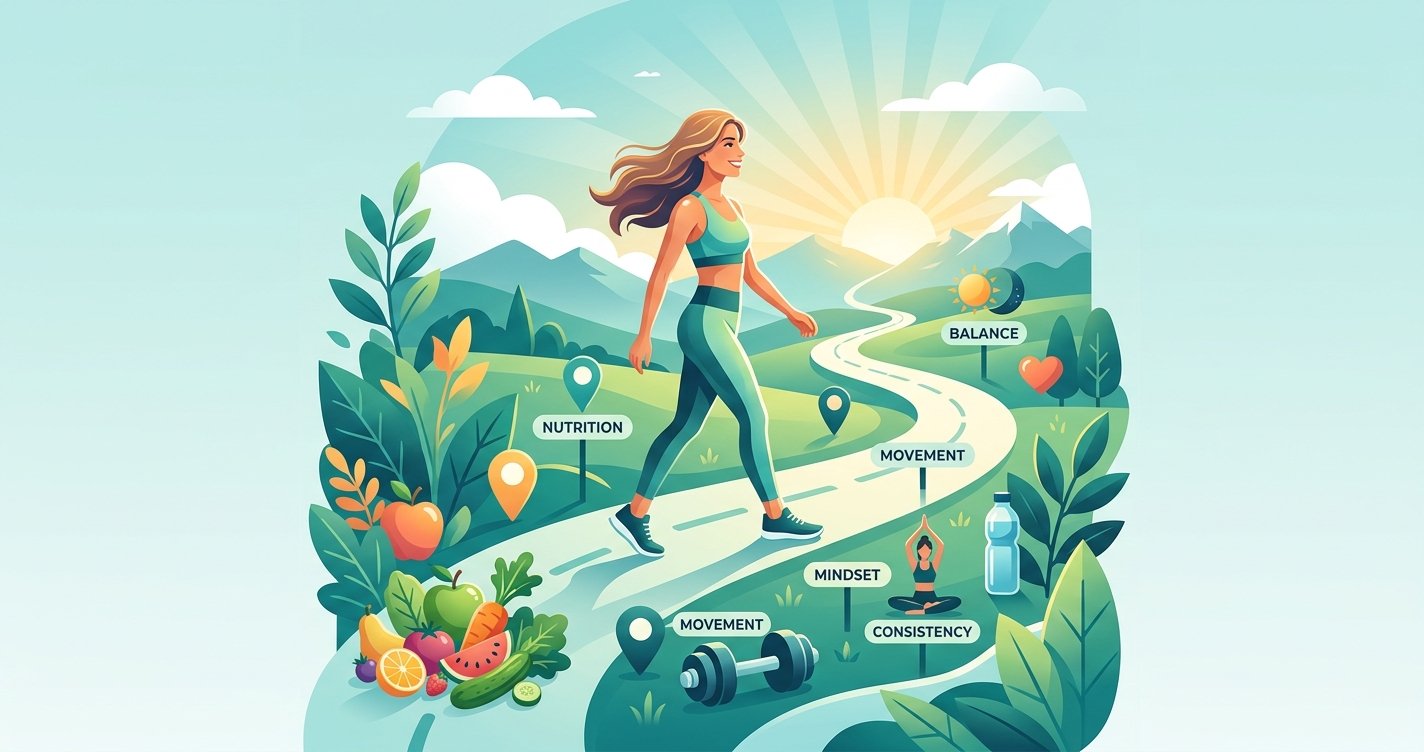
Are you tired of the endless cycle of crash diets, restrictive eating, and intense workout programs that promise quick fat loss but deliver only temporary results and frustration? You're not alone. Many people embark on their fat loss journey with enthusiasm, only to find themselves burnt out, demotivated, and back to square one. The truth is, sustainable fat loss isn't about deprivation or extreme measures; it's about building healthy, consistent habits that support your body and mind for the long haul. This isn't just about shedding pounds; it's about transforming your lifestyle to achieve a healthier, happier you.
In this comprehensive guide, we'll dive deep into the evidence-based strategies that actually work for sustainable fat loss. We'll move beyond the fleeting trends and focus on practical, actionable steps you can integrate into your daily life. Forget the quick fixes; we're here to help you cultivate a blueprint for lasting results, fostering a positive relationship with food, exercise, and your own body. Let's unlock the secrets to achieving your fat loss goals in a way that truly sticks. this excellent wellness product
Understanding the Basics: It's More Than Just Calories In, Calories Out
While the fundamental principle of fat loss does involve consuming fewer calories than you expend (a caloric deficit), the story is far more nuanced than that. Your body is a complex system influenced by hormones, sleep, stress, and nutrient quality. Focusing solely on calorie counting without considering these factors can lead to metabolic adaptation, nutrient deficiencies, and increased cravings, making sustainable progress incredibly difficult. Our goal is to create a deficit in a smart, supportive way that optimizes your body's functions rather than fighting against them.
Think of it this way: 200 calories from a sugary donut will impact your body differently than 200 calories from a handful of almonds and an apple. Both are calories, but their nutrient density, fiber content, and impact on your blood sugar and satiety levels are vastly different. Sustainable fat loss prioritizes nutrient-dense foods that fuel your body, keep you full, and support optimal hormonal balance.
Fueling Your Body Right: Nutrition for Sustainable Fat Loss
Nutrition is arguably the most crucial pillar of fat loss. What you eat directly impacts your energy levels, satiety, and metabolic health. Instead of restrictive diets, let's focus on an inclusive approach that emphasizes whole, unprocessed foods.
Prioritizing Protein: Your Satiety Superstar
- Why it works: Protein is incredibly satiating, meaning it keeps you feeling full for longer, reducing the likelihood of overeating. It also has a higher thermic effect of food (TEF) compared to carbs and fats, meaning your body burns more calories digesting it. Plus, it's essential for preserving muscle mass during a caloric deficit, which is vital for maintaining a healthy metabolism.
- Actionable tip: Aim for 20-30 grams of protein at each main meal. Include lean meats, poultry, fish, eggs, dairy, legumes, and plant-based protein sources like tofu and tempeh.
Embracing Whole Grains and Fiber: The Digestive Duo
- Why it works: Fiber-rich foods, especially from whole grains, fruits, and vegetables, add bulk to your meals, promoting satiety and aiding digestion. They also help stabilize blood sugar levels, preventing energy crashes and subsequent cravings.
- Actionable tip: Swap refined grains for whole-grain alternatives like oats, quinoa, brown rice, and whole-wheat bread. Fill half your plate with non-starchy vegetables at every meal.
The Power of Healthy Fats: Don't Fear the Fat
- Why it works: Healthy fats are essential for hormone production, nutrient absorption, and provide concentrated energy. They also contribute to satiety and make food more enjoyable, preventing feelings of deprivation.
- Actionable tip: Incorporate sources like avocados, nuts, seeds, olive oil, and fatty fish (salmon, mackerel) in moderation.
Hydration is Key: Water Works Wonders
- Why it works: Often overlooked, adequate water intake can boost metabolism, help differentiate between hunger and thirst, and keep you feeling full.
- Actionable tip: Aim for 8-10 glasses of water daily. Keep a water bottle handy and sip throughout the day.
Mindful Eating Practices: Listen to Your Body
- Why it works: Mindful eating helps you recognize true hunger and fullness cues, slow down your eating, and truly enjoy your food, leading to better digestion and reduced overeating.
- Actionable tip: Eat slowly, without distractions. Pay attention to the taste, texture, and smell of your food. Stop when you're satisfied, not stuffed.
Moving Your Body Smart: Exercise That Supports Fat Loss
Exercise complements your nutrition efforts by burning calories, building muscle, improving metabolic health, and boosting mood. The best exercise for fat loss is the one you enjoy and can stick with consistently.
Strength Training: Your Metabolic Accelerator
- Why it works: Building and maintaining muscle mass is critical for fat loss. Muscle tissue is more metabolically active than fat tissue, meaning it burns more calories at rest. Strength training also creates an 'afterburn effect' (EPOC), where your body continues to burn calories post-workout.
- Actionable tip: Aim for 2-4 strength training sessions per week, targeting all major muscle groups. Use weights that challenge you, whether it's bodyweight, dumbbells, or resistance bands.
Cardio: Find What You Love
- Why it works: Cardiovascular exercise burns calories, improves heart health, and can be a fantastic stress reliever. From walking to dancing, cycling to swimming, there are endless options.
- Actionable tip: Incorporate 150-300 minutes of moderate-intensity cardio or 75-150 minutes of vigorous-intensity cardio per week. Mix it up to keep things interesting.
NEAT: The Unsung Hero of Daily Burn
- Why it works: Non-Exercise Activity Thermogenesis (NEAT) refers to the calories you burn doing everyday activities that aren't formal exercise (e.g., walking, fidgeting, gardening, taking the stairs). Boosting your NEAT can significantly increase your daily calorie expenditure without feeling like a workout.
- Actionable tip: Take the stairs, park further away, walk during phone calls, stand more often, and find opportunities to move throughout your day.
The Often-Overlooked Pillars: Sleep, Stress, and Mindset
You can eat perfectly and exercise diligently, but if you neglect these crucial lifestyle factors, your fat loss efforts will be an uphill battle.
The Crucial Role of Sleep
- Why it works: Lack of sleep disrupts hunger-regulating hormones (ghrelin and leptin), leading to increased appetite and cravings for high-calorie foods. It also impairs insulin sensitivity and increases cortisol, making fat loss more challenging.
- Actionable tip: Aim for 7-9 hours of quality sleep per night. Establish a consistent sleep schedule, create a relaxing bedtime routine, and optimize your sleep environment.
Managing Stress for Better Results
- Why it works: Chronic stress elevates cortisol levels, a hormone that promotes fat storage, particularly around the abdomen. Stress can also lead to emotional eating and reduced motivation for healthy habits.
- Actionable tip: Incorporate stress-reduction techniques like meditation, yoga, deep breathing exercises, spending time in nature, or engaging in hobbies you enjoy.
Cultivating a Positive Mindset
- Why it works: Your mindset dictates your consistency and resilience. Believing in your ability to change, practicing self-compassion, and viewing setbacks as learning opportunities are vital for long-term success.
- Actionable tip: Focus on progress, not perfection. Celebrate small victories. Practice positive self-talk and surround yourself with supportive people.
Building Habits That Stick: Consistency Over Perfection
Sustainable fat loss isn't a race; it's a marathon. The key lies in making small, incremental changes that you can maintain consistently over time, rather than striving for fleeting perfection.
- Start Small: Don't overhaul everything at once. Pick one or two habits to focus on (e.g., adding protein to breakfast, walking 20 minutes daily) and master them before adding more.
- Track Progress Beyond the Scale: While the scale can be a tool, it doesn't tell the whole story. Monitor non-scale victories like increased energy, improved sleep, better fitting clothes, strength gains, and enhanced mood.
- Plan Ahead: Meal prepping, scheduling workouts, and planning your sleep can significantly reduce decision fatigue and increase adherence.
- Learn from Setbacks: Everyone has off days. Instead of giving up, analyze what went wrong, adjust your strategy, and get back on track. Don't let one bad meal turn into a bad week.
- Seek Support: Share your goals with friends or family, join a supportive community, or consider working with a coach. Accountability and encouragement can make a huge difference.
Dispelling Fat Loss Myths: What NOT to Do
The fat loss industry is rife with misinformation. Here are a few common myths to avoid:
- Quick Fixes & Extreme Diets: Detox teas, juice cleanses, and severely restrictive diets are unsustainable, often unhealthy, and can lead to nutrient deficiencies and rebound weight gain.
- Magic Pills & Supplements: Most fat loss supplements have little to no scientific backing and can even be dangerous. Focus on real food and healthy habits.
- Spot Reduction: You cannot choose where your body loses fat. Crunches will strengthen your abs, but they won't specifically burn belly fat. Fat loss occurs systemically throughout the body.
- Over-Exercising: More isn't always better. Excessive exercise without adequate recovery can lead to burnout, injury, hormonal imbalances, and increased hunger.
Your Journey to Lasting Fat Loss Starts Now
Achieving sustainable fat loss is a holistic journey that encompasses balanced nutrition, smart exercise, quality sleep, stress management, and a resilient mindset. It’s about making gradual, consistent changes that become an integrated part of your life, not a temporary diet or grueling workout regimen. By focusing on nourishing your body, moving it intelligently, and prioritizing your overall well-being, you’re not just losing fat; you’re building a foundation for a healthier, more vibrant future. Embrace the process, be patient with yourself, and celebrate every step of your progress. You have the power to create lasting change, and your body will thank you for it.