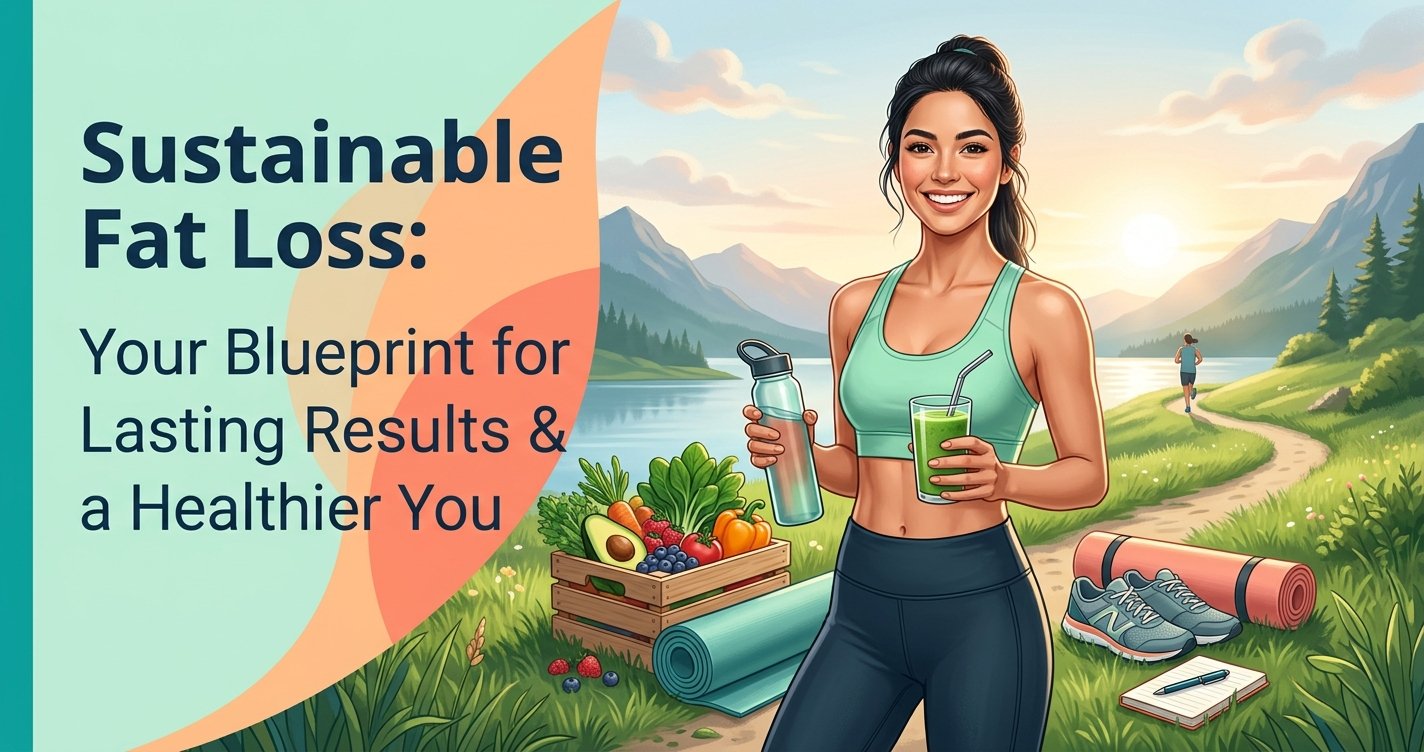
Introduction: Beyond the Quick Fix & Towards Lasting Change
In a world obsessed with rapid weight loss and overnight transformations, it's easy to get caught in the cycle of crash diets and extreme workout plans. You might lose a few pounds quickly, but how often do those results actually stick? If you've found yourself on this frustrating roller coaster, you're not alone. The truth is, true fat loss isn't about deprivation; it's about building sustainable habits that nourish your body, boost your metabolism, and fit seamlessly into your life. This isn't just about looking good; it's about feeling great, having more energy, and cultivating a healthier relationship with food and your body.
This guide will equip you with an evidence-based, encouraging blueprint for achieving sustainable fat loss. We'll move beyond the scale and focus on creating a lifestyle that supports genuine, long-term well-being. this excellent wellness product
Why "Quick Fixes" Don't Last (And What Does!)
The allure of a "lose 10 pounds in 10 days" diet is powerful, but these approaches often backfire. Extremely restrictive diets can slow your metabolism, lead to nutrient deficiencies, and trigger intense cravings, making them impossible to maintain. When you inevitably return to your normal eating patterns, the weight, and often more, comes rushing back. This yo-yo dieting cycle isn't just frustrating; it can be detrimental to your metabolic health and mental well-being.
Sustainable fat loss, on the other hand, is a marathon, not a sprint. It's about making small, consistent changes that accumulate over time, leading to gradual, yet permanent, improvements. We'll focus on a holistic approach that considers nutrition, movement, sleep, stress, and mindset – because all these elements play a crucial role in your body's ability to shed fat and thrive.
The Foundation: Nutrition for Sustainable Fat Loss
When it comes to fat loss, nutrition is king. But it's not about eating less; it's about eating smarter and nourishing your body effectively.
Calorie Awareness, Not Calorie Obsession
While a moderate calorie deficit is essential for fat loss (you need to burn more calories than you consume), becoming obsessed with every single calorie can be counterproductive and stressful. Instead, focus on understanding portion sizes and choosing nutrient-dense foods that naturally provide fewer calories while keeping you full and satisfied. Think whole, unprocessed foods over highly processed snacks.
Protein Power: Your Ally in Fat Loss
Protein is arguably the most important macronutrient for sustainable fat loss. It helps you feel fuller for longer, reducing overall calorie intake. Furthermore, a high-protein diet helps preserve muscle mass during a calorie deficit, which is crucial because muscle is metabolically active, burning more calories at rest than fat. Aim for 0.7-1 gram of protein per pound of body weight daily, distributing it across your meals.
- Examples: Lean meats, poultry, fish, eggs, Greek yogurt, cottage cheese, legumes, tofu, protein powder.
Smart Carbs & Healthy Fats: Fueling Your Body Right
Carbohydrates are not the enemy! Focus on complex carbohydrates like whole grains, fruits, and vegetables. These are rich in fiber, which aids digestion, promotes satiety, and stabilizes blood sugar levels. Avoid excessive simple sugars found in sodas, candies, and many processed foods.
Healthy fats are also vital for hormone production, nutrient absorption, and satiety. Don't fear them, but consume them in moderation due to their high caloric density. Opt for sources like avocados, nuts, seeds, olive oil, and fatty fish.
Move Your Body: Exercise for More Than Just Burning Calories
Exercise is a powerful tool for fat loss, not just for the calories it burns during a workout, but for its profound impact on your metabolism, body composition, and overall health.
Embrace Strength Training: Build a Fat-Burning Machine
If you're only doing cardio, you're missing out! Strength training (lifting weights, bodyweight exercises) is incredibly effective for fat loss. It builds and maintains muscle mass, which directly boosts your resting metabolic rate – meaning you burn more calories even when you're not exercising. It also improves body composition, making you look leaner and more toned. Start with 2-3 full-body strength sessions per week, focusing on compound movements like squats, deadlifts, presses, and rows.
Cardio with a Purpose: Heart Health & Calorie Burn
Cardio still plays a vital role. It improves cardiovascular health, boosts endurance, and burns calories. Incorporate a mix of steady-state cardio (like brisk walking, cycling, or swimming for 30-60 minutes) and high-intensity interval training (HIIT) if appropriate for your fitness level. HIIT involves short bursts of intense exercise followed by brief recovery periods, and it can be very time-efficient for calorie burning and improving fitness.
Beyond Diet & Exercise: The Unsung Heroes of Fat Loss
While nutrition and exercise are cornerstone, several other lifestyle factors significantly influence your ability to lose fat and keep it off.
Prioritize Sleep: Your Body's Repair & Recharge Time
Sleep is not a luxury; it's a non-negotiable for fat loss. Chronic sleep deprivation disrupts hormones that regulate appetite and fat storage. Specifically, it increases ghrelin (the hunger hormone) and decreases leptin (the satiety hormone), making you feel hungrier and less satisfied. It also elevates cortisol, a stress hormone linked to increased belly fat. Aim for 7-9 hours of quality sleep per night.
- Tips for better sleep: Stick to a consistent sleep schedule, create a dark and cool bedroom, avoid screens before bed, limit caffeine and alcohol in the evening.
Master Stress Management: Taming Cortisol's Impact
Just like lack of sleep, chronic stress can sabotage your fat loss efforts. When stressed, your body releases cortisol. Persistently high cortisol levels can lead to increased appetite, cravings for sugary and fatty foods, and a tendency to store fat around the abdominal area. Finding healthy ways to manage stress is crucial.
- Stress-busting techniques: Meditation, yoga, deep breathing exercises, spending time in nature, hobbies, journaling, talking to a friend or therapist.
Hydration: Simple Yet Powerful
Drinking enough water is a simple yet often overlooked fat loss strategy. Water helps with metabolism, can reduce appetite (sometimes thirst is mistaken for hunger), and helps your body function optimally. Aim for at least 8 glasses (around 2 liters) of water daily, and even more if you're active.
Cultivating a Sustainable Mindset: The Long Game
Your mental approach to fat loss is just as important as your physical actions.
Patience & Consistency: Your Best Friends
Sustainable fat loss takes time. There will be weeks when the scale doesn't move, or even goes up slightly. Don't get discouraged! Focus on consistency with your healthy habits rather than perfection. Small, consistent efforts compound over time into significant results. Celebrate the journey, not just the destination.
Celebrate Non-Scale Victories
The scale doesn't tell the whole story. While it can be a useful tool, it doesn't account for muscle gain, water fluctuations, or improved body composition. Look for other signs of progress:
- Increased energy levels
- Clothes fitting better
- Improved strength and endurance
- Better mood and mental clarity
- Reduced cravings
- Better sleep quality
These "non-scale victories" are powerful indicators that your efforts are paying off and you're building a healthier, stronger you.
Conclusion: Your Journey to Lasting Health
Achieving sustainable fat loss isn't about following a rigid, temporary diet; it's about embracing a holistic lifestyle that nourishes your body and mind. By focusing on smart nutrition, purposeful exercise, adequate sleep, effective stress management, and a patient, positive mindset, you're not just losing fat – you're building a foundation for lifelong health and vitality.
Remember, this is your unique journey. Start small, be kind to yourself, and celebrate every step of progress. You have the power to create lasting change and unlock a healthier, happier you. What small, sustainable change will you make today?