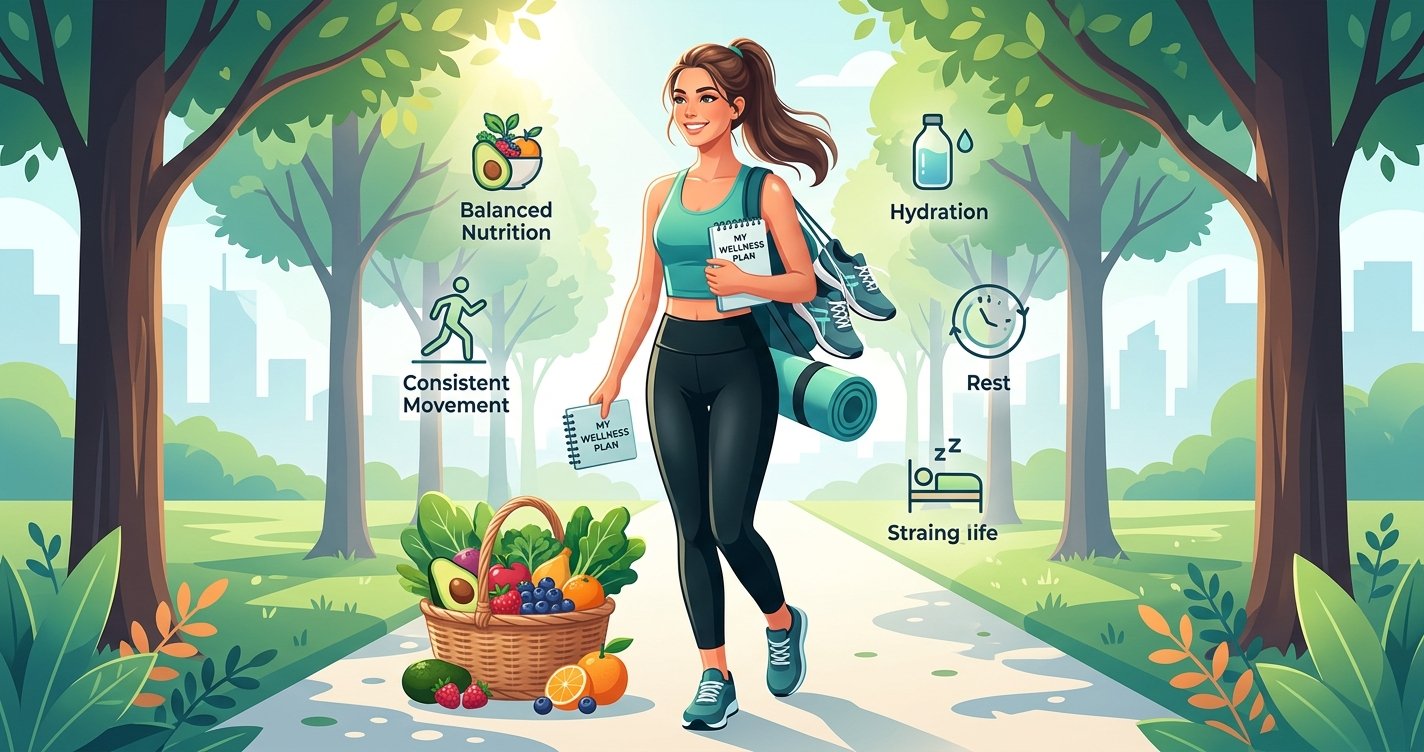
Sustainable Fat Loss: Your Blueprint for Lasting Results (No Gimmicks!)
Are you tired of the endless cycle of restrictive diets, intense workouts that leave you burnt out, and the frustrating rebound of lost weight? You're not alone. In a world saturated with quick fixes and miracle pills, it's easy to get caught up in the promise of instant results. But the truth is, genuine, lasting fat loss isn't about deprivation or extreme measures; it's about building sustainable habits that support your body and mind for the long haul.
This isn't just about shedding pounds; it's about transforming your relationship with food, exercise, and yourself. We're going to dive deep into evidence-based strategies that empower you to achieve your fat loss goals and maintain them, without sacrificing your sanity or health. Let's ditch the quick fixes and embrace a path to a healthier, happier you! this excellent wellness product
Understanding the Core Principle: The Caloric Deficit
At its heart, fat loss boils down to one fundamental principle: consuming fewer calories than your body expends. This is known as a caloric deficit. Think of your body as a car; if you put less fuel in than you burn, eventually, you'll start using the reserves (stored fat) for energy.
While the concept is simple, its application can be nuanced. It's not about starving yourself, which can slow your metabolism and lead to muscle loss. Instead, it's about creating a moderate deficit (typically 300-500 calories below your maintenance level) through a combination of smart nutrition and increased physical activity. This approach allows your body to tap into fat stores for energy while preserving precious muscle mass and supporting your overall health. Remember, consistency in maintaining this deficit is far more effective than extreme, short-lived restrictions.
Fueling Your Body Right: Nutrition for Sustainable Fat Loss
Nutrition plays a starring role in your fat loss journey. It's not just about calories; it's about the quality of those calories and how they make you feel.
Prioritize Protein and Fiber
- Protein Power: Protein is your best friend when it comes to fat loss. It's incredibly satiating, meaning it keeps you feeling fuller for longer, reducing the urge to snack. It also helps preserve and build muscle mass, which is crucial for a healthy metabolism. Aim for a good source of lean protein at every meal: chicken, fish, lean beef, eggs, tofu, lentils, or Greek yogurt.
- Fiber-Rich Foods: Found in fruits, vegetables, whole grains, and legumes, fiber adds bulk to your meals without adding many calories. It aids digestion, stabilizes blood sugar levels, and, like protein, enhances satiety. Fill half your plate with colorful vegetables!
Embrace Healthy Fats and Smart Carbs
- Healthy Fats: Don't fear fats! Healthy fats from avocados, nuts, seeds, and olive oil are essential for hormone production, nutrient absorption, and keeping you satisfied. Just be mindful of portion sizes, as fats are calorie-dense.
- Smart Carbohydrates: Carbs aren't the enemy. Focus on complex carbohydrates like whole grains (oats, quinoa, brown rice), sweet potatoes, and fruits. These provide sustained energy and vital nutrients, unlike refined carbs which can lead to energy crashes and cravings.
Hydration and Mindful Eating
Drinking plenty of water throughout the day can help manage hunger, boost metabolism slightly, and keep your body functioning optimally. Furthermore, practicing mindful eating – paying attention to your body's hunger and fullness cues, eating slowly, and savoring your food – can prevent overeating and improve your digestion. It's about listening to your body, not just counting numbers.
Move Your Body Smart: Exercise for Fat Loss and Beyond
Exercise is a powerful tool for fat loss, not just for burning calories, but for building a stronger, healthier body that's more efficient at burning fat.
The Power of Strength Training
If there's one type of exercise you shouldn't skip, it's strength training. Building muscle mass is paramount for sustainable fat loss because muscle is metabolically active, meaning it burns more calories at rest than fat does. This helps elevate your resting metabolic rate (RMR), making it easier to maintain a caloric deficit. Aim for 2-4 strength training sessions per week, focusing on compound movements that work multiple muscle groups.
Incorporating Cardio for Health and Calorie Burn
Cardiovascular exercise, like brisk walking, jogging, cycling, or swimming, is excellent for heart health and contributes to your daily calorie expenditure. While strength training builds the engine, cardio helps burn the fuel. Find activities you enjoy and aim for at least 150 minutes of moderate-intensity cardio per week. High-intensity interval training (HIIT) can also be a time-efficient way to boost your calorie burn and improve fitness.
Don't Forget NEAT!
NEAT, or Non-Exercise Activity Thermogenesis, refers to the calories you burn through everyday activities that aren't formal exercise. Think walking more, taking the stairs, fidgeting, or standing instead of sitting. Boosting your NEAT can significantly increase your daily calorie expenditure without feeling like a workout, making it a powerful, often overlooked, fat loss strategy.
The Unsung Heroes: Sleep, Stress, and Recovery
Often overlooked, these factors can make or break your fat loss efforts. Your body doesn't operate in a vacuum; it responds to your lifestyle as a whole.
The Critical Role of Sleep
Lack of sleep can wreak havoc on your hormones, specifically ghrelin (the hunger hormone) and leptin (the satiety hormone). When you're sleep-deprived, ghrelin levels rise, making you feel hungrier, while leptin levels drop, making you feel less full. This creates a perfect storm for increased cravings and overeating. Aim for 7-9 hours of quality sleep per night to keep your hormones balanced and your willpower strong.
Managing Stress for Better Results
Chronic stress triggers the release of cortisol, a hormone that, in excess, can promote fat storage, particularly around the abdominal area. High stress levels can also lead to emotional eating and a lack of motivation for healthy habits. Incorporate stress-reducing activities into your daily routine, such as meditation, yoga, spending time in nature, or simply engaging in hobbies you enjoy.
The Importance of Recovery
Your muscles don't grow during your workout; they grow and repair during rest. Adequate rest and recovery days are crucial for preventing overtraining, reducing injury risk, and allowing your body to adapt and get stronger. Listen to your body and don't be afraid to take a rest day or engage in active recovery like light stretching or a leisurely walk.
Cultivating a Winning Mindset: Consistency and Patience
Fat loss is as much a mental game as it is a physical one. Your mindset, consistency, and patience are the ultimate determinants of long-term success.
Focus on Habits, Not Just Outcomes
Instead of fixating solely on the number on the scale, shift your focus to the daily habits you're building. Did you hit your protein goal today? Did you get your steps in? Did you prioritize sleep? These consistent small wins accumulate over time, leading to significant results. Celebrate these efforts!
Embrace Patience and Self-Compassion
Fat loss is a journey, not a sprint. There will be plateaus, off days, and moments of frustration. This is normal. Understand that progress isn't always linear. Instead of giving up, practice self-compassion. Acknowledge your efforts, learn from setbacks, and get back on track without judgment. Remember your 'why' and trust the process.
Track Progress Beyond the Scale
While the scale can be a tool, it doesn't tell the whole story. Muscle gain, water fluctuations, and hormonal changes can mask fat loss. Track other metrics: how your clothes fit, your energy levels, strength improvements, body measurements, and progress photos. These non-scale victories can be incredibly motivating and provide a more accurate picture of your transformation.
Putting It All Together: Your Action Plan
Sustainable fat loss isn't about perfection; it's about consistent, small improvements that compound over time. Here's how to start:
- Start Small: Don't overhaul everything at once. Pick one or two areas to focus on first (e.g., adding protein to every meal, walking 30 minutes daily).
- Prioritize Protein & Produce: Make these the foundation of your meals.
- Lift Weights: Incorporate strength training 2-4 times a week.
- Optimize Sleep: Aim for 7-9 hours of quality sleep.
- Manage Stress: Find healthy ways to cope with daily stressors.
- Stay Hydrated: Drink plenty of water throughout the day.
- Be Patient & Consistent: Trust the process and celebrate non-scale victories.
If you're feeling overwhelmed, consider consulting a registered dietitian, certified personal trainer, or a healthcare professional who can provide personalized guidance and support tailored to your unique needs and health status.
Your Journey to Lasting Change Starts Now
Ditching the quick fixes and embracing a sustainable approach to fat loss is the most empowering decision you can make for your health. It's a journey of self-discovery, resilience, and building habits that serve you for a lifetime. Remember, you're not just losing fat; you're gaining health, energy, confidence, and a sustainable lifestyle. Be kind to yourself, stay consistent, and enjoy the incredible transformation that awaits you!