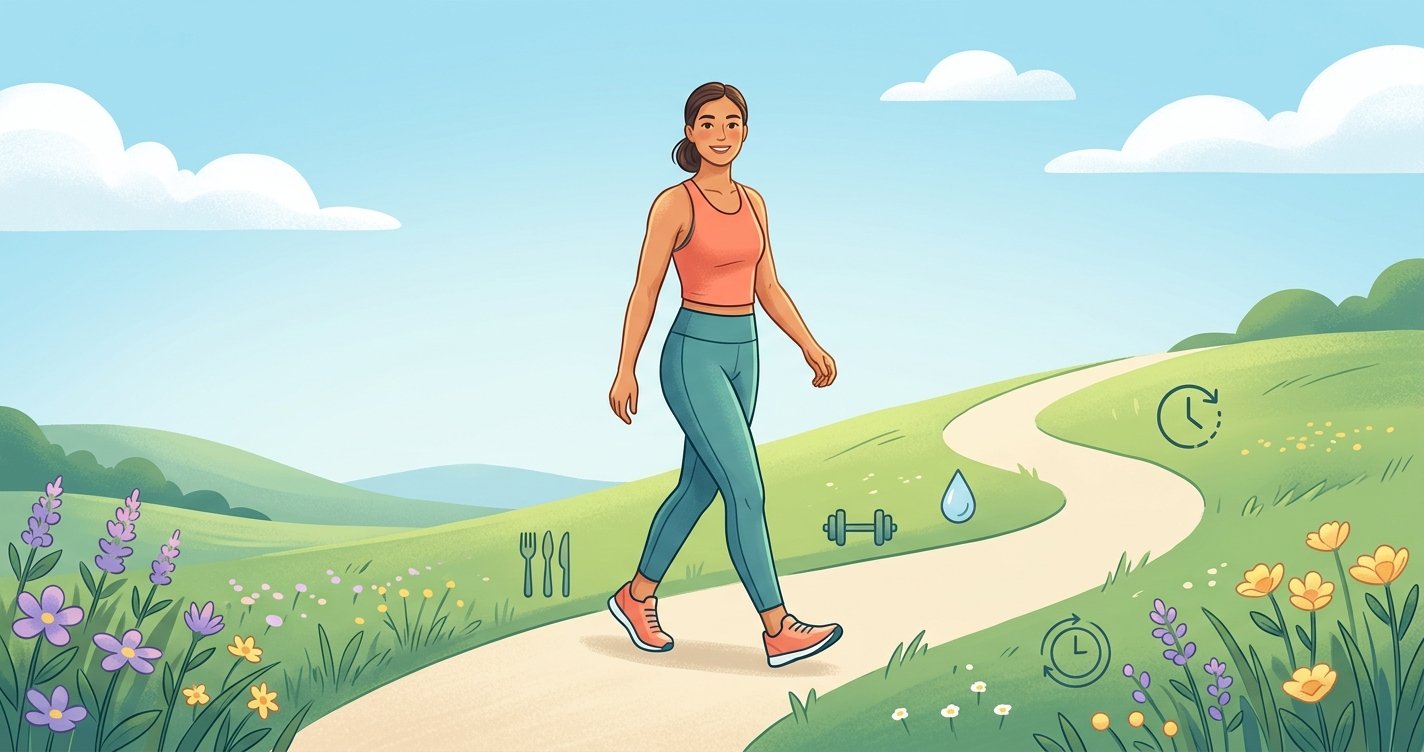
Beyond Quick Fixes: Why Sustainable Fat Loss Matters
In a world obsessed with instant gratification, it's easy to fall prey to the allure of quick-fix fat loss solutions. Detox teas, extreme diets, and grueling workout challenges promise rapid results, often delivering a temporary drop on the scale. But what happens after the initial buzz fades? More often than not, the weight creeps back, sometimes bringing friends along. This frustrating cycle isn't just disheartening; it's a sign that we need a different approach. The key to true, lasting change isn't about speed; it's about sustainability.
Sustainable fat loss isn't a race; it's a journey of building healthy habits that integrate seamlessly into your life, creating a foundation for long-term well-being. It's about understanding your body, nourishing it wisely, moving it joyfully, and cultivating a resilient mindset. This isn't just about shedding pounds; it's about gaining health, energy, and confidence for good. Let's dive into the evidence-based strategies that will empower you to achieve and maintain your fat loss goals, transforming your body and your life. this excellent wellness product
Nourish, Don't Punish: The Power of a Balanced Diet
When it comes to fat loss, nutrition is undeniably king. You can't out-train a poor diet. But 'dieting' doesn't have to mean deprivation and misery. Instead, think of it as nourishing your body with purpose. The goal is to create a moderate calorie deficit while ensuring you get all the essential nutrients your body needs to thrive.
Calorie Deficit Done Right: It's About Energy Balance
At its core, fat loss hinges on creating a calorie deficit – consuming fewer calories than your body burns. However, the common mistake is to slash calories too drastically. Extreme deficits can slow your metabolism, lead to nutrient deficiencies, muscle loss, and make you feel constantly hungry and fatigued. A moderate deficit (typically 300-500 calories below your maintenance level) is more sustainable and effective for long-term fat loss. Focus on nutrient-dense foods that provide volume and satiety without excessive calories.
Prioritize Protein: Your Satiety & Muscle Ally
Protein is a powerhouse for fat loss. Research consistently shows that a higher protein intake can significantly boost satiety, helping you feel fuller for longer and reduce overall calorie intake. Furthermore, protein has a higher thermic effect of food (TEF) compared to carbs and fats, meaning your body burns more calories digesting it. Crucially, adequate protein intake is vital for preserving lean muscle mass during a calorie deficit, which is essential for maintaining a healthy metabolism. Aim for 0.7-1 gram of protein per pound of body weight daily from sources like lean meats, poultry, fish, eggs, dairy, legumes, and plant-based protein powders.
Smart Carbs & Healthy Fats: Fueling Your Body
Carbohydrates often get a bad rap in fat loss discussions, but they are your body's primary energy source. The key is choosing the right kind. Opt for complex carbohydrates like whole grains (oats, quinoa, brown rice), fruits, and vegetables. These are rich in fiber, which aids digestion, promotes satiety, and helps stabilize blood sugar levels. Healthy fats (avocado, nuts, seeds, olive oil, fatty fish) are also crucial. They play a vital role in hormone production, nutrient absorption, and provide sustained energy. While calorie-dense, healthy fats are essential in moderation for overall health and satiety.
Hydration & Fiber: The Unsung Heroes
Don't underestimate the power of water and fiber. Staying well-hydrated is critical for metabolic function, nutrient transport, and can even help manage hunger cues. Often, thirst is mistaken for hunger. Aim for 8-10 glasses of water daily. Fiber, found in fruits, vegetables, whole grains, and legumes, adds bulk to your meals, promoting fullness and aiding digestive health, both of which are indirect yet powerful allies in your fat loss journey.
Move Your Body, Boost Your Metabolism: Exercise for Longevity
While nutrition is paramount, exercise is the perfect partner for sustainable fat loss. It not only burns calories but also builds muscle, improves metabolic health, enhances mood, and boosts overall fitness. The goal isn't just to burn calories during your workout, but to optimize your body for continuous fat burning.
Strength Training: Your Secret Weapon Against Fat
If you're serious about sustainable fat loss, strength training is non-negotiable. Muscle is metabolically active tissue, meaning it burns more calories at rest than fat does. Building and maintaining muscle mass through resistance training effectively boosts your resting metabolic rate (RMR), turning your body into a more efficient fat-burning machine 24/7. Aim for 2-4 full-body strength training sessions per week, focusing on compound movements like squats, deadlifts, presses, and rows.
Cardio: Heart Health & Calorie Burn
Cardiovascular exercise, often simply called cardio, is excellent for improving heart health, boosting endurance, and burning calories. While it may not have the same long-term metabolic impact as strength training, it's a fantastic tool for increasing your daily energy expenditure. Incorporate a mix of moderate-intensity cardio (like brisk walking, jogging, cycling) and high-intensity interval training (HIIT) for optimal results. Listen to your body and find activities you enjoy to ensure consistency.
NEAT: The Everyday Calorie Burn
Beyond structured workouts, your Non-Exercise Activity Thermogenesis (NEAT) plays a significant role in your daily calorie expenditure. This includes all the movement you do outside of planned exercise – walking, fidgeting, taking the stairs, cleaning, gardening. Increasing your NEAT can add hundreds of calories to your daily burn, making a substantial difference over time. Simple changes like standing more, parking further away, or taking short walking breaks can greatly contribute to sustainable fat loss.
Mind Over Matter: The Mental Game of Fat Loss
Fat loss isn't just physical; it's profoundly psychological. Your mindset, habits, and ability to manage stress and sleep profoundly impact your success. Addressing these often-overlooked aspects is crucial for a truly sustainable approach.
Sleep Your Way Leaner: The Crucial Role of Rest
In our always-on culture, sleep is often the first thing we sacrifice. However, skimping on sleep can sabotage your fat loss efforts. Lack of sleep disrupts hunger-regulating hormones: ghrelin (which stimulates appetite) increases, while leptin (which signals satiety) decreases. This hormonal imbalance can lead to increased cravings, particularly for high-calorie, sugary foods, and makes it harder to resist unhealthy choices. Aim for 7-9 hours of quality sleep per night to support your body's recovery and hormonal balance.
Stress Less, Lose More: Managing Cortisol
Chronic stress triggers the release of cortisol, often called the 'stress hormone.' Elevated cortisol levels can promote fat storage, especially around the abdominal area, and increase cravings for comfort foods. Finding healthy ways to manage stress is paramount for sustainable fat loss. Incorporate stress-reducing activities into your daily routine, such as meditation, yoga, deep breathing exercises, spending time in nature, or engaging in hobbies you enjoy.
Mindful Eating: Listen to Your Body
Mindful eating is about paying attention to your food – its taste, texture, and smell – and tuning into your body's hunger and fullness cues. In our fast-paced lives, we often eat distractedly, leading to overconsumption. Practice eating slowly, savoring each bite, and checking in with your body to recognize when you're truly satisfied, not just full. This practice helps foster a healthier relationship with food and prevents mindless snacking.
Consistency, Not Perfection: Embrace the Journey
Sustainable fat loss is about consistency over perfection. There will be days when you overeat, miss a workout, or feel discouraged. This is normal. The key is not to let one slip-up derail your entire journey. Learn from it, adjust, and get back on track. Develop resilience, celebrate small victories, and view challenges as opportunities for growth. Remember, it's a marathon, not a sprint.
Building Your Sustainable Fat Loss Blueprint: Practical Steps
Ready to build your own blueprint for lasting success? Here are some actionable steps to get started:
- Start Small: Don't try to overhaul everything at once. Pick one or two habits to focus on first, like adding more protein to each meal or incorporating a 20-minute walk daily.
- Track Progress (Not Just Weight): While the scale is one metric, also track non-scale victories like increased energy, better sleep, improved strength, clothes fitting differently, and enhanced mood.
- Plan Ahead: Meal prepping, planning workouts, and scheduling sleep can significantly increase your chances of consistency.
- Seek Support: Share your goals with friends, family, or a coach. Having an accountability partner or a supportive community can make a huge difference.
- Educate Yourself: Continuously learn about nutrition, exercise, and healthy living. The more you understand, the more empowered you'll be to make informed choices.
- Be Patient & Kind to Yourself: Sustainable fat loss takes time. There will be plateaus and setbacks. Treat yourself with compassion and remember your 'why.'
Embracing a sustainable approach to fat loss is about more than just changing your body; it's about transforming your relationship with food, exercise, and yourself. By focusing on balanced nutrition, consistent movement, and a positive mindset, you're not just losing fat; you're building a foundation for a healthier, happier, and more energetic life that truly lasts. You've got this!