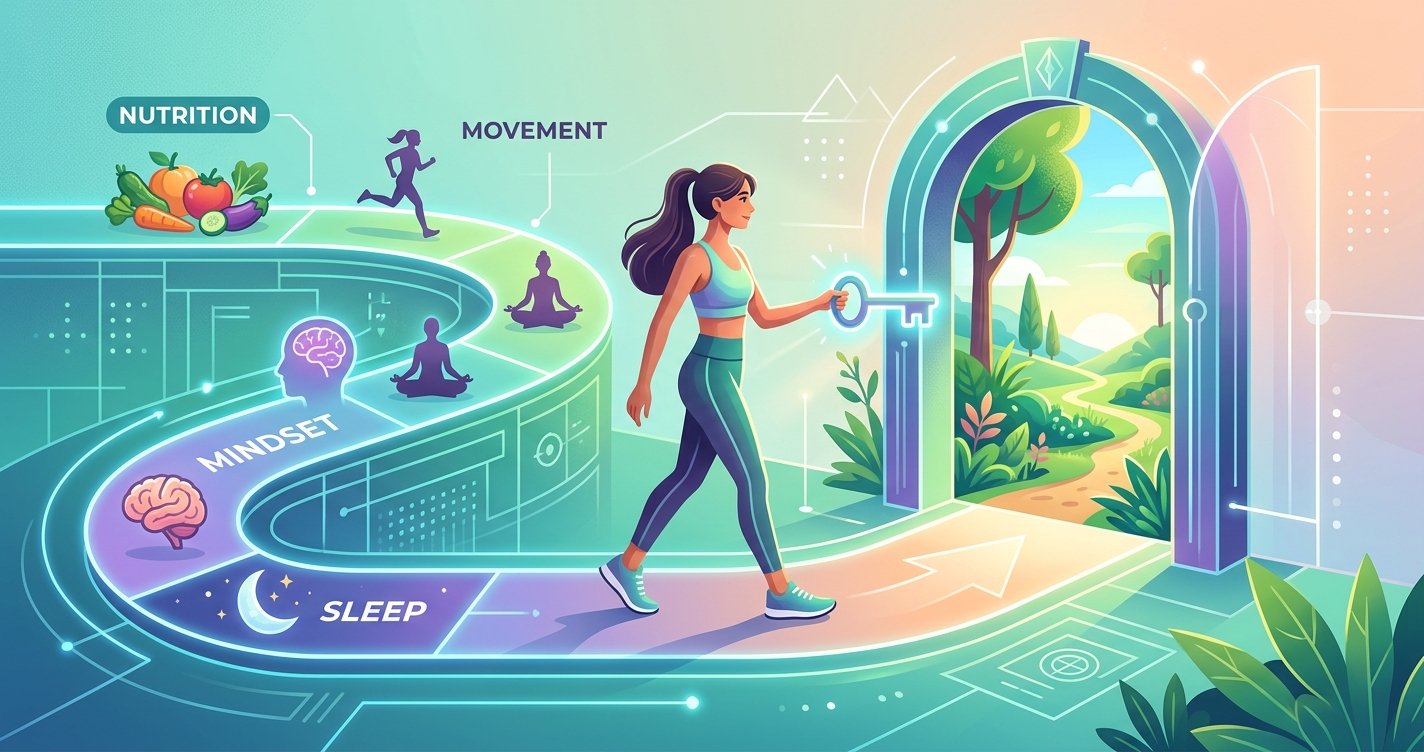
Unlock Sustainable Fat Loss: Your Evidence-Based Blueprint for Lasting Results
Are you tired of the endless cycle of restrictive diets, quick fixes, and the frustration of seeing the scale yo-yo? You’re not alone. Many people embark on their fat loss journey with high hopes, only to be met with disappointment when the initial progress stalls, or worse, the lost weight creeps back. The truth is, sustainable fat loss isn't about deprivation or extreme measures; it's about building a holistic, evidence-based lifestyle that supports your body and mind for the long haul.
In this comprehensive guide, we'll dive deep into the real science behind losing fat and keeping it off. We’ll move beyond the fads and equip you with practical, encouraging strategies that you can integrate into your everyday life. Get ready to transform your approach to health and finally achieve the lasting results you deserve! this excellent wellness product
1. The Foundation: Understanding Energy Balance (The Calorie Deficit)
At its core, fat loss boils down to one fundamental principle: consuming fewer calories than your body burns. This is known as creating a “calorie deficit.” While often oversimplified, understanding this concept is crucial for sustainable progress.
What Exactly is a Calorie Deficit?
Your body constantly burns calories to perform basic functions like breathing, circulating blood, and digesting food (your Basal Metabolic Rate or BMR), plus the energy expended through daily activities and exercise (Non-Exercise Activity Thermogenesis or NEAT, and Exercise Activity Thermogenesis or EAT). The sum of these is your Total Daily Energy Expenditure (TDEE).
To lose fat, you need to consistently consume slightly less than your TDEE. This forces your body to tap into its stored energy reserves – primarily fat – to make up the difference.
How to Calculate Your Starting Point (Simply!)
While precise calculations can be complex, you can get a good estimate. Online TDEE calculators can provide a starting point. Input your age, sex, height, weight, and activity level. Once you have your estimated TDEE, aim to subtract 300-500 calories per day to create a moderate, sustainable deficit. For example, if your TDEE is 2500 calories, aim for 2000-2200 calories daily.
Why Extreme Cuts Backfire: Drastically cutting calories (e.g., more than 500-750 below your TDEE) can lead to muscle loss, nutrient deficiencies, plummeting energy levels, and a slower metabolism. This makes it incredibly difficult to sustain and often results in rebound weight gain. Slow and steady truly wins the race here.
2. Fueling Your Body: The Power of Protein and Smart Choices
What you eat within your calorie deficit matters immensely. Focusing on nutrient-dense foods will optimize your fat loss, keep you feeling full, and nourish your body.
Protein: Your Fat Loss MVP
If there’s one macronutrient to prioritize for fat loss, it’s protein. Here’s why:
- Satiety: Protein is the most satiating macronutrient, meaning it keeps you feeling fuller for longer, reducing cravings and overall calorie intake.
- Muscle Preservation: When in a calorie deficit, adequate protein intake helps preserve precious muscle mass, which is metabolically active and crucial for a healthy metabolism.
- Thermic Effect of Food (TEF): Protein has a higher TEF than carbs or fats, meaning your body burns more calories digesting it.
Aim for 0.7-1 gram of protein per pound of body weight (or 1.6-2.2 grams per kilogram) daily, spread across your meals.
Smart Carb Choices and Healthy Fats
- Complex Carbohydrates: Don't fear carbs! Opt for complex carbohydrates like whole grains, fruits, and vegetables. These are rich in fiber, which aids digestion, promotes satiety, and provides sustained energy without the blood sugar spikes and crashes of refined carbs.
- Healthy Fats: Fats are essential for hormone production, nutrient absorption, and overall health. Focus on monounsaturated and polyunsaturated fats found in avocados, nuts, seeds, olive oil, and fatty fish. While healthy, fats are calorie-dense, so portion control is key.
Practical Food Examples: Lean meats (chicken breast, turkey, fish), eggs, Greek yogurt, cottage cheese, lentils, beans, quinoa, oats, brown rice, broccoli, spinach, berries, apples, almonds, walnuts, chia seeds, avocado.
3. Beyond the Scale: The Crucial Role of Strength Training
While cardio has its place, strength training is a non-negotiable component of sustainable fat loss, often overlooked by those solely focused on the scale.
Why Cardio Alone Isn't Enough
Cardio burns calories during the activity, which contributes to your deficit. However, it doesn't significantly build or preserve muscle mass. When you lose weight through diet and only cardio, a substantial portion of that weight loss can be muscle, which can slow your metabolism over time.
Building Muscle = Boosting Metabolism
Muscle tissue is more metabolically active than fat tissue. This means the more muscle you have, the more calories your body burns at rest. Strength training helps you:
- Preserve Muscle: In a calorie deficit, strength training signals to your body to hold onto muscle, ensuring that the weight you lose is primarily fat.
- Build Muscle: Over time, it can even help you build new muscle, further increasing your resting metabolic rate.
- Improve Body Composition: You might not see a huge drop on the scale, but your body will look leaner and more toned because you're replacing fat with muscle.
Getting Started with Strength Training
Aim for 2-4 strength training sessions per week. You can use bodyweight exercises (squats, push-ups, lunges), resistance bands, dumbbells, or gym machines. Focus on compound movements that work multiple muscle groups. If you're new, consider working with a certified trainer to learn proper form.
4. The Unsung Heroes: Sleep, Stress, and Hydration
These often-neglected factors play a surprisingly significant role in your ability to lose fat and maintain a healthy weight.
Sleep: Your Hormonal Balancer
Lack of sleep wreaks havoc on your hormones, particularly those that regulate appetite. Insufficient sleep:
- Increases Ghrelin: The 'hunger hormone,' making you feel hungrier.
- Decreases Leptin: The 'satiety hormone,' making it harder to feel full.
- Elevates Cortisol: The 'stress hormone,' which can promote fat storage, especially around the belly.
Aim for 7-9 hours of quality sleep per night. Establish a consistent sleep schedule, create a relaxing bedtime routine, and optimize your sleep environment.
Stress Management: Taming Cortisol
Chronic stress, like lack of sleep, keeps cortisol levels elevated. Beyond promoting fat storage, high cortisol can also increase cravings for high-calorie, sugary foods. Finding healthy ways to manage stress is crucial:
- Practice mindfulness or meditation.
- Engage in hobbies you enjoy.
- Spend time in nature.
- Connect with loved ones.
- Prioritize 'me time.'
Hydration: Simple Yet Powerful
Drinking enough water supports metabolism, aids digestion, and can help you feel fuller. Sometimes, thirst is mistaken for hunger. Aim for 8 glasses of water a day, or more if you're active. Carry a water bottle as a reminder.
5. Mindset Matters: Cultivating Patience and Consistency
Sustainable fat loss is a marathon, not a sprint. Your mindset is perhaps the most powerful tool in your arsenal.
The Long Game: Why Patience is Key
Real, lasting fat loss is gradual. Expect to lose 1-2 pounds per week for most individuals. There will be plateaus, fluctuations, and days when you don't feel motivated. This is normal. Trust the process, stay consistent, and remember your 'why.'
Non-Scale Victories: Celebrating Progress
Don't let the scale be your only measure of success. Celebrate:
- Increased energy levels.
- Clothes fitting better.
- Improved strength and endurance.
- Better sleep and mood.
- Positive changes in blood work.
These non-scale victories are powerful motivators and indicators of true progress.
Building Sustainable Habits
Instead of focusing on a temporary diet, shift your focus to building small, manageable habits that you can maintain indefinitely. Consistency over perfection is the secret ingredient. One healthy meal choice, one workout, one good night's sleep – these small actions accumulate into massive results over time.
Conclusion: Your Empowered Journey to Lasting Health
Sustainable fat loss isn't about chasing a number on the scale; it's about cultivating a healthier, stronger, and more vibrant you. By embracing the principles of energy balance, prioritizing protein and nutrient-dense foods, incorporating strength training, optimizing sleep and stress management, and nurturing a patient mindset, you're not just losing fat – you're building a foundation for lifelong well-being.
Remember, this is your unique journey. Be kind to yourself, celebrate every step, and stay consistent. You have the power to create lasting change and unlock the healthier, happier future you envision. Start today, one evidence-based habit at a time!