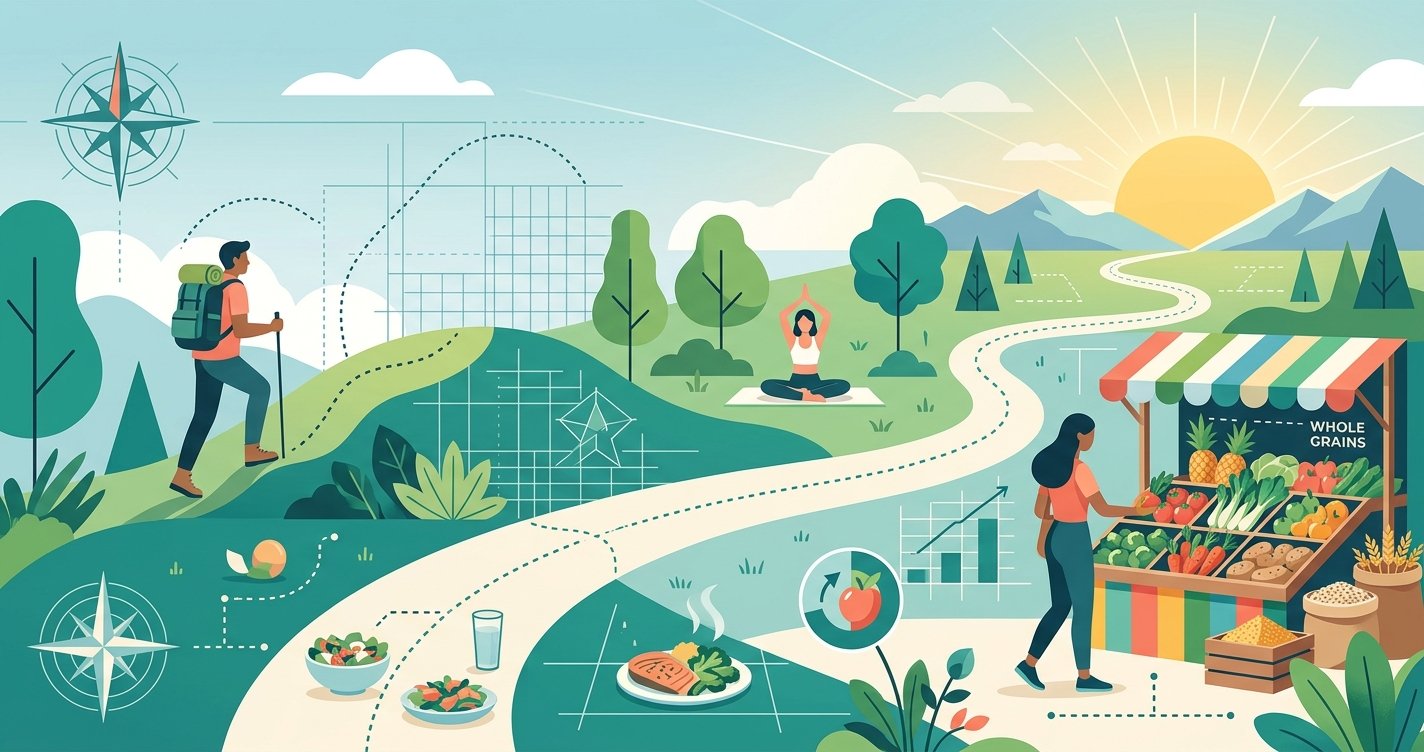
Tired of the yo-yo diet rollercoaster? Frustrated by quick-fix promises that leave you heavier and more discouraged than before? You’re not alone. In a world saturated with 'lose 10 pounds in 10 days' headlines, it’s easy to fall prey to unsustainable methods. But what if there was a better way? A path to fat loss that not only delivers results but helps you keep them for good? Welcome to the world of sustainable fat loss – a journey focused on building healthy habits that last a lifetime, not just until your next cheat meal.
This isn't about deprivation or extreme measures. It's about understanding your body, making informed choices, and fostering a positive relationship with food and exercise. We’re going to explore the evidence-based strategies that truly work, giving you a friendly, encouraging roadmap to achieving your fat loss goals and maintaining them with confidence. this excellent wellness product
The Foundation: Understanding Your Calorie Deficit (Without Starving Yourself)
At its core, fat loss boils down to one fundamental principle: consuming fewer calories than your body burns. This is known as a calorie deficit. While it sounds simple, the magic lies in creating a sustainable deficit that doesn't leave you feeling deprived, sluggish, or constantly hungry.
- What is a Calorie Deficit? Your body needs energy (calories) to perform all its functions, from breathing to exercising. When you take in less energy than you expend, your body starts to tap into its stored energy reserves – primarily fat – for fuel.
- How to Create a Sustainable Deficit: Forget drastic cuts. A modest deficit of 300-500 calories per day is often ideal for sustainable fat loss. This allows for steady progress (typically 1-2 pounds of fat loss per week) without slowing down your metabolism or causing intense hunger. You can achieve this by making small, consistent changes to your diet and increasing your activity levels.
- Beyond the Numbers: While understanding your calorie needs can be a helpful starting point (apps and online calculators can assist), the goal isn't to meticulously track every bite forever. Instead, it's about building awareness and learning what a balanced, appropriate portion looks like for you. Eventually, you can transition to more intuitive eating, guided by your body's hunger and fullness cues.
Fueling Your Body Right: Nutrition for Sustainable Fat Loss
Nutrition is the cornerstone of fat loss. It's not just about calories; it's about the quality of those calories and how they nourish your body, keep you full, and support muscle preservation.
- Prioritize Protein: Protein is your best friend for fat loss. It's incredibly satiating, helping you feel fuller for longer, and crucial for preserving muscle mass while in a calorie deficit. Aim for a lean protein source at every meal: chicken, fish, lean beef, eggs, tofu, lentils, Greek yogurt.
- Embrace Complex Carbohydrates: Don't fear carbs! Whole grains (oats, brown rice, quinoa), fruits, and vegetables provide essential fiber, vitamins, and minerals. Fiber is key for satiety and digestive health. These complex carbs offer sustained energy, unlike refined sugars that lead to energy crashes and cravings.
- Don't Skip Healthy Fats: Healthy fats (avocado, nuts, seeds, olive oil) are vital for hormone production, nutrient absorption, and also contribute to satiety. Just remember they are calorie-dense, so portion control is important.
- Focus on Whole, Unprocessed Foods: The simplest rule for effective nutrition? Eat real food. Minimize ultra-processed snacks, sugary drinks, and fast food. These items are often high in calories, low in nutrients, and designed to make you overeat.
- Hydration is Key: Often overlooked, adequate water intake is crucial. It supports metabolism, helps with satiety, and can prevent you from mistaking thirst for hunger.
Move More, Live Better: The Power of Exercise Beyond the Scale
While diet creates the deficit, exercise amplifies fat loss, improves body composition, boosts your mood, and enhances overall health. It's not just about burning calories; it's about building a stronger, healthier you.
Strength Training: Your Muscle-Building Secret Weapon
If you're serious about sustainable fat loss, strength training is non-negotiable. It's not just for bodybuilders!
- Preserve Muscle, Burn More Fat: When you lose weight, you want to lose fat, not muscle. Strength training helps preserve and even build muscle mass, which is metabolically active. More muscle means your body burns more calories at rest.
- Shape Your Body: Beyond the scale, strength training helps sculpt your physique, giving you a leaner, more toned appearance.
- Boost Metabolism: The 'afterburn' effect (EPOC - Excess Post-exercise Oxygen Consumption) means your body continues to burn calories at an elevated rate even after your workout is over.
Aim for 2-3 full-body strength training sessions per week, focusing on compound movements like squats, deadlifts, presses, and rows.
Cardio: Heart Health and an Extra Calorie Burn
Cardio has its place, too!
- Heart Health: Regular cardio improves cardiovascular health, endurance, and stamina.
- Additional Calorie Burn: It's an effective way to increase your daily calorie expenditure, further contributing to your deficit.
- Find What You Enjoy: Whether it's brisk walking, jogging, cycling, swimming, or dancing, choose activities you genuinely like. This makes consistency much easier.
Integrate 2-4 sessions of moderate-intensity cardio (like a brisk walk or jog) or shorter bursts of high-intensity interval training (HIIT) if appropriate for your fitness level.
NEAT: The Often-Overlooked Secret Weapon
NEAT (Non-Exercise Activity Thermogenesis) refers to the calories you burn through everyday activities that aren't formal exercise – walking, fidgeting, taking the stairs, gardening, cleaning. These small movements add up significantly throughout the day. Look for opportunities to move more!
The Unsung Heroes: Sleep and Stress Management
Often overlooked, adequate sleep and stress reduction play critical roles in your fat loss journey.
- The Power of Sleep: Lack of sleep wreaks havoc on your hormones. It increases ghrelin (the hunger hormone) and decreases leptin (the satiety hormone), making you feel hungrier and less satisfied. Poor sleep also elevates cortisol, a stress hormone linked to increased fat storage, especially around the belly. Aim for 7-9 hours of quality sleep per night.
- Taming Stress: Chronic stress also keeps cortisol levels elevated, promoting fat storage and increasing cravings for comfort foods. Find healthy ways to manage stress: meditation, yoga, spending time in nature, hobbies, or simply deep breathing exercises.
Mindset Matters: Cultivating a Sustainable Approach
Fat loss is as much a mental game as it is a physical one. Your mindset will determine your long-term success.
- Patience and Consistency Over Perfection: Progress isn't linear. There will be good days and challenging days. Don't let a slip-up derail your entire journey. Consistency over time beats sporadic perfection every single time.
- Build Habits Gradually: Don't try to overhaul everything at once. Pick one or two small, manageable habits to focus on each week (e.g., drink more water, add protein to breakfast, go for a 20-minute walk). Small wins build momentum.
- Embrace Non-Scale Victories: The scale is just one metric. Celebrate increased energy, improved strength, clothes fitting better, better sleep, clearer skin, and a more positive mood. These are powerful indicators of progress.
- Mindful Eating: Pay attention to your food. Eat slowly, savor each bite, and listen to your body's hunger and fullness cues. This helps prevent overeating and enhances your enjoyment of meals.
Bringing It All Together: Your Personalized Journey
Sustainable fat loss isn't about following a rigid, one-size-fits-all plan. It's about understanding the core principles and then tailoring them to fit your unique lifestyle, preferences, and goals. It’s a journey of self-discovery, patience, and unwavering consistency.
Remember, this isn't a race; it's a lifestyle transformation. Focus on nourishing your body, moving with purpose, prioritizing rest, and cultivating a positive mindset. The results – not just a leaner body, but improved health, energy, and confidence – will be well worth the effort. You've got this!