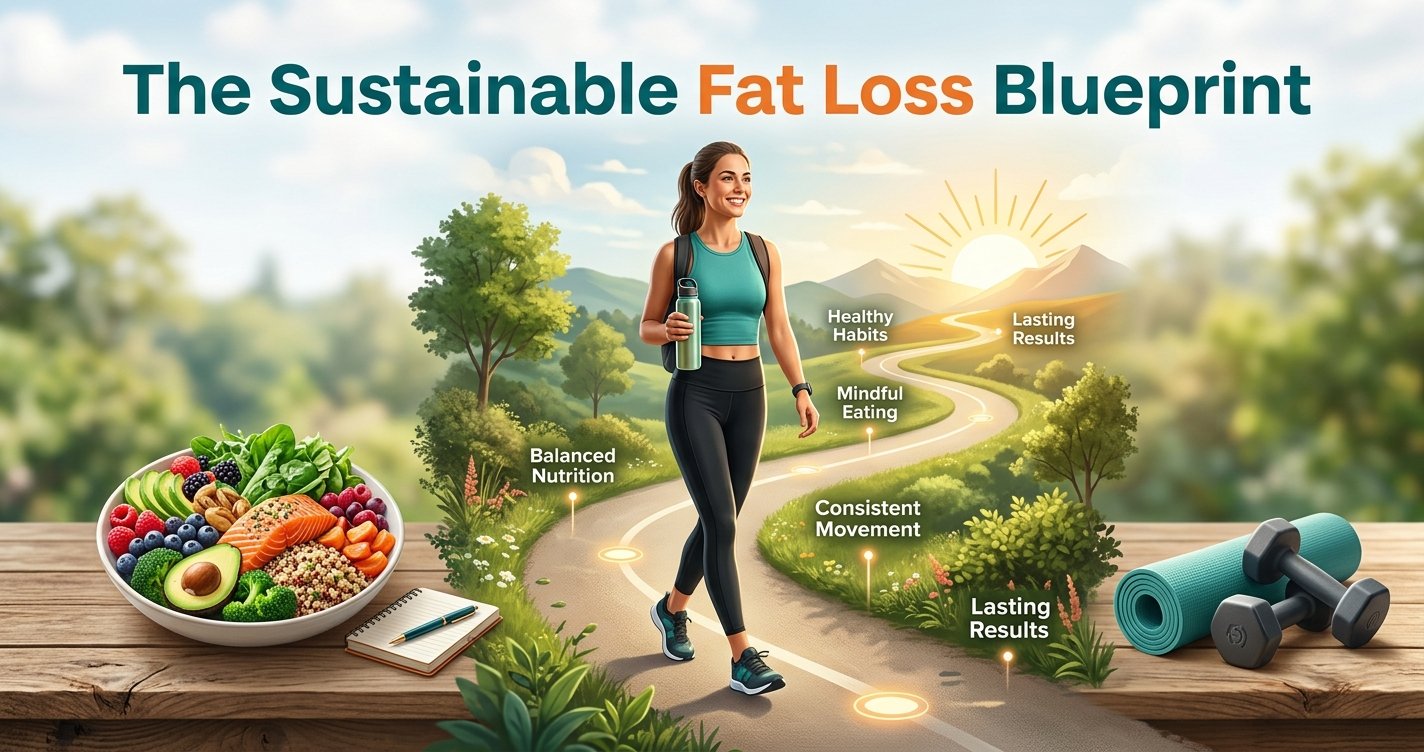
Have you ever felt caught in the frustrating cycle of losing weight only to regain it, often with a little extra? You're not alone. The allure of quick fixes, extreme diets, and intense workout programs is strong, promising rapid results. But for many, these methods lead to burnout, metabolic confusion, and ultimately, a return to old habits. True, lasting fat loss isn't about deprivation or punishment; it's about creating a sustainable lifestyle that nourishes your body, strengthens your mind, and keeps the weight off for good. This isn't just about the number on the scale; it's about building a healthier, more vibrant you.
Why Quick Fixes Fail (And Why Sustainable Works)
The diet industry often thrives on the promise of instant gratification. Crash diets, detoxes, and extreme calorie restrictions might lead to initial weight drops, but a significant portion of that is usually water and even precious muscle mass. Your body, an incredibly intelligent machine, interprets extreme restriction as a famine. It slows your metabolism to conserve energy, increases hunger hormones, and makes it incredibly difficult to maintain the deficit. When you eventually return to a more normal eating pattern, your body, now more efficient at storing energy and with a slower metabolism, quickly regains the lost weight, often more. Sustainable fat loss, on the other hand, respects your body's physiology. It focuses on gradual, manageable changes that you can maintain indefinitely, leading to true fat loss while preserving muscle and metabolic health. this excellent wellness product
The Calorie Equation: Your Foundation for Fat Loss
At its core, fat loss boils down to one fundamental principle: a caloric deficit. This means consistently consuming slightly fewer calories than your body expends. However, the key word here is "slightly." An overly aggressive deficit is a recipe for the quick-fix failure cycle. A moderate deficit (typically 300-500 calories below your maintenance level) allows for steady fat loss without triggering extreme hunger, energy crashes, or significant metabolic slowdown. It's about finding that sweet spot where you're losing fat effectively but still feel energized, satisfied, and capable of adhering to your plan long-term. Remember, consistency over perfection is the ultimate secret weapon here.
Fueling Your Body for Lasting Results: Smart Nutrition Strategies
Once you understand the caloric deficit, the next step is optimizing your food choices. This isn't about restriction; it's about intelligent fueling.
Protein Power: Satiety, Muscle Preservation, and Metabolism
Protein is your best friend for fat loss. It's the most satiating macronutrient, meaning it keeps you feeling fuller for longer, reducing the urge to snack. Crucially, adequate protein intake is vital for preserving lean muscle mass during a caloric deficit, which helps maintain your metabolic rate. Aim for 0.7-1 gram of protein per pound of body weight, distributed across your meals.
The Wisdom of Whole Foods: Fiber, Nutrients, and Satisfaction
Prioritize whole, unprocessed foods like fruits, vegetables, lean meats, fish, eggs, legumes, and whole grains. These foods are rich in fiber, vitamins, and minerals. Fiber adds bulk to your meals, aiding satiety and digestion, while the nutrients support overall health and energy levels. Focusing on nutrient-dense foods naturally helps you manage calorie intake without feeling deprived.
Don't Fear Healthy Fats & Smart Carbs: Balance is Key
Fats are essential for hormone production and nutrient absorption. Incorporate healthy fats from sources like avocados, nuts, seeds, and olive oil in moderation. Carbohydrates provide energy for your workouts and daily activities. Opt for complex carbohydrates like oats, quinoa, brown rice, and sweet potatoes, which offer sustained energy and fiber, rather than quick-burning refined sugars.
Hydration and Mindful Eating: Simple Yet Powerful Habits
Drinking enough water is often overlooked but crucial. It supports metabolism, aids digestion, and can even help manage hunger. Practice mindful eating by slowing down, savoring your food, and paying attention to your body's hunger and fullness cues. This helps prevent overeating and fosters a healthier relationship with food.
Move Smarter, Not Just Harder: Exercise for Body Composition
Exercise isn't just about burning calories; it's about shaping your body, boosting your metabolism, and improving overall health. A well-rounded approach combines different types of movement.
Strength Training: Your Metabolic Supercharger and Muscle Protector
If you're serious about sustainable fat loss, strength training is non-negotiable. Building and maintaining muscle mass is key because muscle tissue is metabolically active, meaning it burns more calories at rest than fat tissue. Aim for 2-4 strength training sessions per week, focusing on compound movements that work multiple muscle groups. You don't need to lift super heavy to start; consistency is what matters.
Cardio: For Heart Health, Mood, and Calorie Burn (Find Your Flow)
Cardiovascular exercise is excellent for heart health, improving endurance, and creating an additional caloric deficit. Whether you prefer brisk walking, jogging, cycling, swimming, or dancing, find an activity you enjoy and can stick with. Incorporate 150-300 minutes of moderate-intensity cardio or 75-150 minutes of vigorous-intensity cardio per week, distributed as you see fit.
The Everyday Advantage of NEAT: Small Moves, Big Impact
NEAT, or Non-Exercise Activity Thermogenesis, refers to the calories you burn through daily activities that aren't formal exercise. Think walking, fidgeting, taking the stairs, gardening, or standing more. These small movements add up significantly over time and contribute to your overall energy expenditure. Look for opportunities to move more throughout your day; it's a powerful yet often underestimated tool.
Beyond Diet and Exercise: The Hidden Drivers of Fat Loss
True fat loss is a holistic endeavor. Your lifestyle extends beyond what you eat and how you move. Overlooking these crucial elements can sabotage even the best efforts.
Sleep: Your Recovery, Repair, and Hormone Regulator
Quality sleep is fundamental. Insufficient sleep disrupts hormones that regulate hunger (ghrelin) and satiety (leptin), making you hungrier and more prone to cravings. It also elevates cortisol, a stress hormone linked to increased fat storage, particularly around the midsection. Aim for 7-9 hours of quality sleep per night to optimize your body's ability to burn fat and recover.
Stress Management: Taming the Cortisol Beast
Chronic stress keeps cortisol levels elevated, which can interfere with fat loss and promote fat storage. Find healthy ways to manage stress, whether it's through meditation, yoga, spending time in nature, engaging in hobbies, or connecting with loved ones. Prioritizing mental well-being is just as important as physical effort.
Cultivating a Positive Mindset: Patience, Persistence, and Self-Compassion
Fat loss is a journey, not a destination. It requires patience, persistence, and a healthy dose of self-compassion. There will be good days and bad days, plateaus and breakthroughs. Instead of striving for perfection, focus on consistency and progress. Celebrate small victories, learn from setbacks, and treat yourself with kindness. A positive mindset is your most powerful ally.
Your Sustainable Fat Loss Blueprint in Action: Making It Stick
Turning knowledge into lasting action requires a strategic approach. This isn't about perfection; it's about progress.
Start Small, Build Gradually: Consistency Over Perfection
Don't try to overhaul everything at once. Pick one or two small, manageable changes to implement each week. Maybe it's adding a serving of vegetables to dinner, walking for 15 minutes daily, or prioritizing protein at breakfast. Once a habit sticks, add another. This gradual approach builds confidence and makes the journey feel less overwhelming.
Track Progress Beyond the Scale: Celebrate Non-Weight Victories
The scale doesn't tell the whole story. Track other metrics like body measurements, how your clothes fit, your strength gains in the gym, energy levels, sleep quality, and mood. These non-scale victories are incredibly motivating and reflect true, sustainable progress. Don't let a single number dictate your self-worth or progress.
Seek Support and Learn Continuously: You're Not Alone
Surround yourself with a supportive community, whether it's friends, family, or online groups. Consider working with a coach or nutritionist for personalized guidance. Continuous learning about nutrition, exercise, and your body will empower you to make informed decisions and adapt your plan as needed. This journey is personal, but you don't have to go it alone.
Embracing sustainable fat loss means letting go of the quick-fix mentality and committing to a healthier lifestyle. It's about empowering yourself with knowledge, making informed choices, and fostering habits that serve your long-term well-being. This blueprint provides the foundational pillars for lasting change: a balanced caloric deficit, smart nutrition, effective movement, and attention to sleep, stress, and mindset. It's a journey of self-discovery and consistent effort, leading not just to a leaner body, but to a stronger, more energized, and ultimately happier you. Start today, one small, sustainable step at a time.