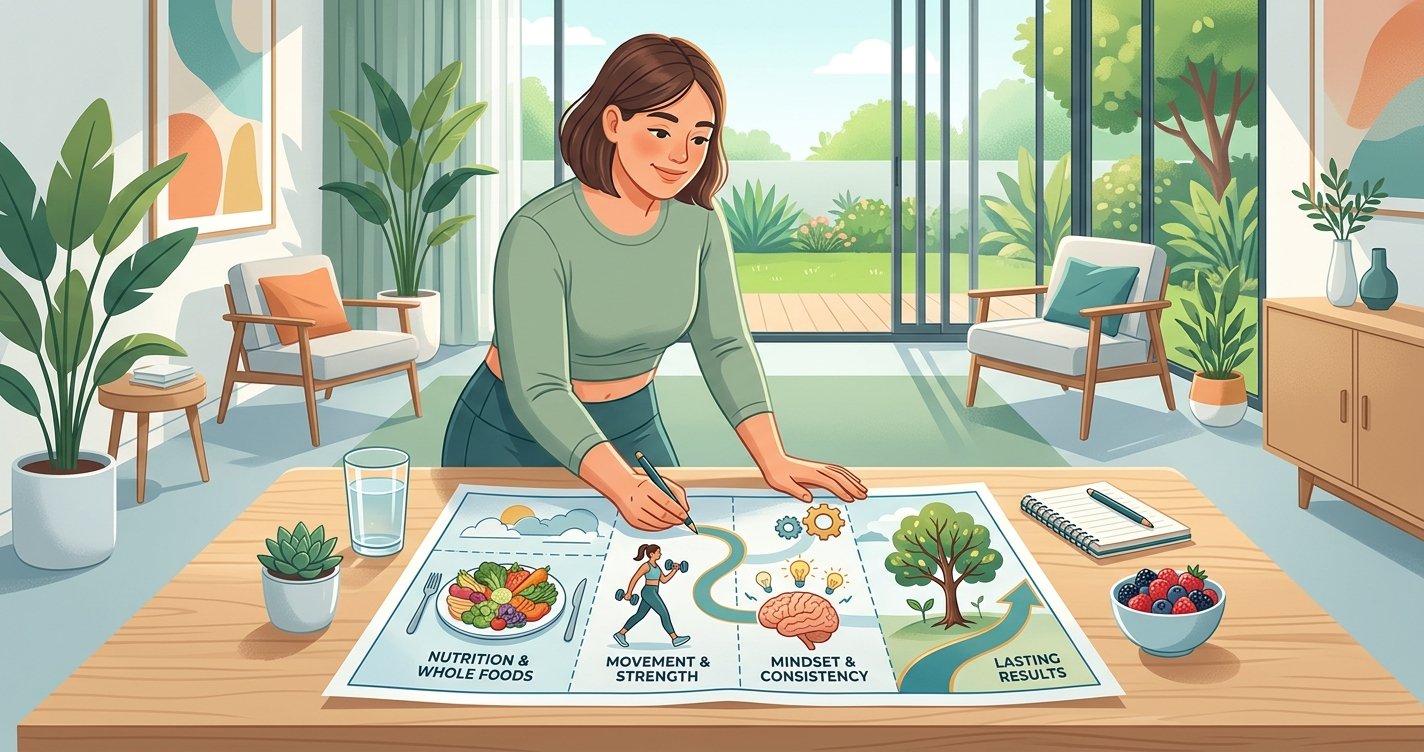
Are you tired of the yo-yo diet cycle? Do you feel frustrated by quick-fix solutions that promise the world but deliver only temporary results and eventual disappointment? You're not alone. In a world saturated with fad diets, extreme workouts, and miracle pills, it's easy to get lost and feel like sustainable fat loss is an impossible dream. But what if we told you it doesn't have to be that way?
This post is your friendly, evidence-based guide to achieving lasting fat loss. We're going to ditch the deprivation and extreme measures and instead focus on building habits that not only help you shed excess fat but also improve your overall health, energy, and well-being for the long haul. Get ready to discover the true power of consistency, patience, and a balanced approach. this excellent wellness product
The Foundation: A Gentle Calorie Deficit
Let's start with the undisputed king of fat loss science: the calorie deficit. Simply put, to lose fat, you need to consume slightly fewer calories than your body burns. It's not about starvation; it's about creating a sustainable energy gap that encourages your body to tap into its stored fat reserves for fuel.
Understanding Your Energy Balance
Your body is constantly burning calories to power everything from breathing and thinking to exercising and digesting food. This is your Total Daily Energy Expenditure (TDEE). If you consistently eat more calories than your TDEE, you gain weight (fat). If you eat fewer, you lose weight. Our goal for fat loss is a modest deficit, typically 300-500 calories below your TDEE. This allows for steady, healthy fat loss (around 1-2 pounds per week) without slowing down your metabolism or leaving you feeling constantly hungry and depleted.
Practical Tips for a Gentle Deficit
- Track Mindfully, Not Obsessively: For a few days, try tracking your food intake using an app. This helps you understand where your calories are actually coming from. You might be surprised! You don't need to track forever, but it's a powerful educational tool.
- Portion Control is Key: Often, we're not eating the 'wrong' foods, just too much of them. Use smaller plates, measure out servings, and pay attention to hunger and fullness cues.
- Swap Smart: Look for easy substitutions. Opt for water instead of sugary drinks, choose lean protein over fatty cuts, and load up on non-starchy vegetables. These small changes add up significantly without feeling like a major sacrifice.
- Listen to Your Body: True hunger is a physical sensation, not an emotional one. Before reaching for a snack, ask yourself if you're truly hungry or just bored, stressed, or thirsty.
Fueling Your Body Right: The Power of Protein and Fiber
While a calorie deficit is fundamental, what you eat within that deficit profoundly impacts your success. Not all calories are created equal. Prioritizing certain macronutrients can make fat loss much easier and more effective.
Why Protein is Your Best Friend for Fat Loss
Protein is a powerhouse for fat loss, and here's why:
- Satiety: Protein is incredibly filling. Including adequate protein in your meals helps you feel fuller for longer, reducing cravings and overall calorie intake.
- Muscle Preservation: When you're in a calorie deficit, your body can break down muscle tissue for energy. Protein helps protect your precious muscle mass, which is crucial because muscle burns more calories at rest than fat does.
- Thermic Effect of Food (TEF): Protein has a higher TEF than carbs or fats, meaning your body burns more calories just to digest and process protein. It's like a metabolic mini-workout after every protein-rich meal!
Aim for a good source of lean protein at every meal: chicken, turkey, fish, eggs, Greek yogurt, lentils, beans, tofu, or lean beef.
Fiber: The Unsung Hero of Satiety and Gut Health
Fiber is another fantastic nutrient that often gets overlooked. Found in fruits, vegetables, whole grains, nuts, and seeds, fiber contributes to fat loss in several ways:
- Fullness Factor: Like protein, fiber adds bulk to your meals and takes longer to digest, promoting feelings of fullness and reducing the likelihood of overeating.
- Blood Sugar Control: Soluble fiber helps slow the absorption of sugar, preventing sharp spikes and crashes that can lead to increased hunger and cravings.
- Gut Health: A healthy gut microbiome plays a role in metabolism and weight management. Fiber feeds beneficial gut bacteria, contributing to overall well-being.
Make it a habit to fill half your plate with colorful vegetables and include whole grains and legumes in your diet.
Move More, Live Better: Beyond Just the Gym
While nutrition is paramount for fat loss, movement is your powerful ally. It not only burns calories but also builds muscle, boosts your metabolism, and improves your mood and energy levels.
Strength Training for a Metabolic Boost
Don't skip the weights! Strength training is incredibly effective for fat loss, and here's why you should embrace it:
- Builds Muscle: The more muscle you have, the higher your Basal Metabolic Rate (BMR) – the number of calories your body burns at rest. More muscle means you burn more calories even when you're just sitting on the couch!
- Post-Workout Calorie Burn: Strength training creates an 'afterburn effect' (EPOC - Excess Post-exercise Oxygen Consumption), meaning your body continues to burn extra calories for hours after your workout as it recovers.
- Shapes Your Body: Beyond just losing weight, strength training helps sculpt your physique, giving you a leaner, more toned appearance.
Aim for 2-3 full-body strength training sessions per week. You can use bodyweight, resistance bands, dumbbells, or gym machines. Focus on compound movements like squats, deadlifts, presses, and rows.
Incorporating NEAT (Non-Exercise Activity Thermogenesis)
Exercise isn't just about structured workouts. NEAT refers to all the calories you burn from everyday movements that aren't formal exercise – walking, standing, fidgeting, taking the stairs, cleaning, gardening. This can account for a significant portion of your daily calorie expenditure!
- Walk More: Take the stairs instead of the elevator, park further away, go for a short walk during your lunch break.
- Stand Up: If you have a desk job, try a standing desk or set a timer to stand up and move around every hour.
- Active Hobbies: Find activities you enjoy that involve movement, like dancing, hiking, or playing with pets or children.
The Often-Overlooked Pillars: Sleep and Stress Management
You can eat perfectly and train consistently, but if you neglect your sleep and stress levels, you'll be fighting an uphill battle. These factors profoundly impact your hormones and your body's ability to lose fat.
Sleep: Your Fat Loss Secret Weapon
Adequate, quality sleep (7-9 hours per night for most adults) is non-negotiable for sustainable fat loss:
- Hormonal Harmony: Sleep deprivation wreaks havoc on your hunger hormones. It increases ghrelin (the hunger hormone) and decreases leptin (the satiety hormone), making you feel hungrier and less satisfied.
- Reduced Cravings: When you're tired, your body craves quick energy, often in the form of sugary, high-carb foods. Good sleep helps regulate these cravings.
- Better Recovery: Your body repairs and rebuilds itself during sleep, especially after exercise. This is crucial for muscle growth and overall energy levels.
Prioritize creating a relaxing bedtime routine, make your bedroom dark and cool, and try to go to bed and wake up at consistent times.
Taming Stress for a Leaner You
Chronic stress triggers the release of cortisol, often called the 'stress hormone.' While essential in short bursts, persistently high cortisol levels can:
- Promote Fat Storage: Especially around the abdominal area.
- Increase Cravings: Often for comfort foods high in sugar and unhealthy fats.
- Interfere with Sleep: Creating a vicious cycle.
Find healthy ways to manage stress: meditation, yoga, deep breathing exercises, spending time in nature, listening to music, journaling, or connecting with loved ones. It's not about eliminating stress, but about developing effective coping mechanisms.
Cultivating a Mindset for Lasting Change
Ultimately, sustainable fat loss isn't just about what you do; it's about how you think. Your mindset is the invisible force that can either propel you forward or hold you back.
Ditching Perfectionism for Progress
The all-or-nothing mentality is a common trap. One 'bad' meal doesn't derail your entire journey. One missed workout won't ruin your progress. The key is consistency over perfection. If you slip up, acknowledge it, learn from it, and get right back on track with your next meal or workout. Self-compassion is far more effective than self-criticism.
Building Habits That Stick
Instead of focusing on drastic changes, concentrate on building small, sustainable habits that become second nature over time. Want to drink more water? Keep a water bottle with you at all times. Want to eat more vegetables? Add an extra serving to one meal each day. Small, consistent actions lead to monumental results.
Celebrate your non-scale victories: improved energy, better sleep, clothes fitting better, increased strength, a more positive mood. These are powerful indicators of progress that go beyond the number on the scale.
Your Journey to Lasting Fat Loss Starts Now
Sustainable fat loss is a marathon, not a sprint. It's about making conscious, consistent choices that support your body and mind, day in and day out. There will be good days and challenging days, but by focusing on a gentle calorie deficit, nutrient-dense foods, consistent movement, adequate sleep, stress management, and a resilient mindset, you are building a blueprint for lasting success.
Forget the quick fixes. Embrace the journey of becoming a healthier, happier, and more confident you. Start small, be consistent, and trust the process. Your body will thank you for it!