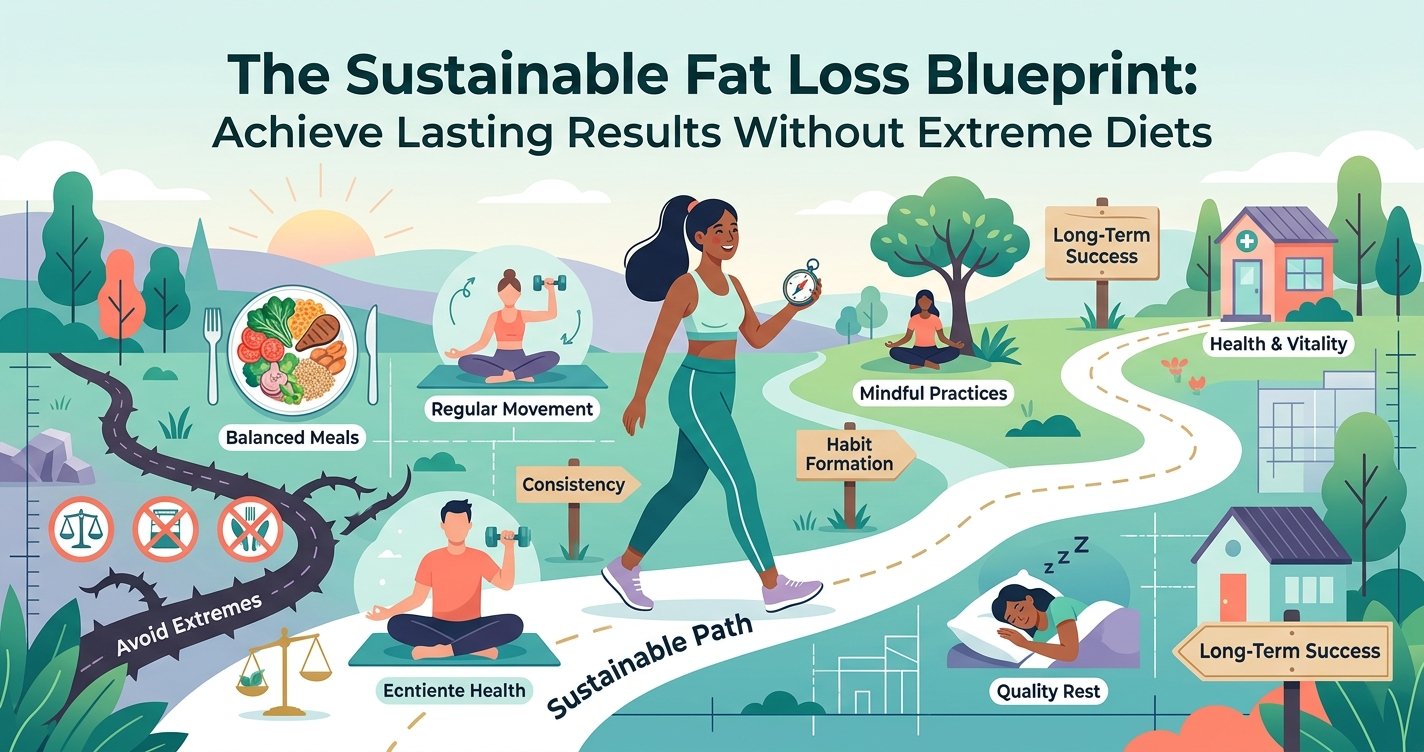
Are you tired of the endless cycle of restrictive diets, rapid weight loss, and inevitable rebound? You're not alone. The journey to fat loss is often portrayed as a quick fix, a battle of willpower against cravings, leading to frustration and burnout. But what if we told you there’s a more effective, enjoyable, and sustainable path? A path that doesn't just help you lose fat, but also improves your overall health, energy, and well-being?
Welcome to the sustainable fat loss blueprint. This isn't about deprivation; it's about empowerment. It's about understanding your body, making informed choices, and building habits that last a lifetime. Based on scientific evidence, this guide will help you shed unwanted fat without resorting to extreme measures, ensuring your results are not only visible but also maintainable. Let's ditch the crash diets and embrace a smarter, healthier approach to transforming your body and life. this excellent wellness product
Understanding the Foundation: The Calorie Deficit
At its core, fat loss boils down to one fundamental principle: consuming fewer calories than your body expends. This is known as creating a calorie deficit. Your body needs a certain amount of energy (calories) to function each day, even at rest. When you consistently provide slightly less energy than your body requires, it begins to tap into stored energy – primarily body fat – to make up the difference.
How to Estimate Your Calorie Needs
While precise calculation can be complex, you can estimate your Basal Metabolic Rate (BMR) – the calories your body burns at rest – and then factor in your activity level to get your Total Daily Energy Expenditure (TDEE). Online calculators can provide a good starting point. Once you have your TDEE, aim to create a moderate deficit of 300-500 calories per day. This amount is generally considered safe and effective for sustainable fat loss, leading to a loss of about 0.5-1 pound of fat per week.
The Importance of a Moderate Deficit
- Preserves Muscle Mass: A too-aggressive deficit can lead to muscle loss, which is counterproductive as muscle burns more calories at rest.
- Sustains Energy Levels: You'll have enough energy to perform daily activities and workouts.
- Reduces Cravings: Less extreme hunger makes it easier to stick to your plan.
- Promotes Adherence: A moderate deficit is far easier to maintain long-term than a drastic one.
Fueling for Success: Macronutrients and Micronutrients
While total calories are king for fat loss, the composition of those calories – your macronutrients (protein, carbohydrates, fats) and micronutrients (vitamins, minerals) – plays a critical role in satiety, energy, muscle preservation, and overall health.
Protein: Your Muscle-Preserving Powerhouse
Protein is crucial for fat loss. It helps preserve lean muscle mass during a calorie deficit, is highly satiating (keeping you feeling full longer), and has a higher thermic effect of food (meaning your body burns more calories digesting it). Aim for 0.7-1 gram of protein per pound of body weight daily. Excellent sources include lean meats, poultry, fish, eggs, dairy, legumes, and protein supplements.
Carbohydrates: Not the Enemy
Often demonized, carbohydrates are your body's primary energy source. Opt for complex carbohydrates rich in fiber, which provide sustained energy, aid digestion, and contribute to satiety. Think whole grains (oats, quinoa, brown rice), fruits, and vegetables. Limit refined sugars and processed carbs, which offer little nutritional value and can spike blood sugar.
Healthy Fats: Essential for Hormones and Satiety
Fats are vital for hormone production, nutrient absorption, and long-term satiety. Focus on unsaturated fats found in avocados, nuts, seeds, olive oil, and fatty fish. While healthy, fats are calorie-dense, so moderation is key even with good sources. Aim for about 20-30% of your daily calories from healthy fats.
Beyond the Plate: The Power of Movement
While nutrition is paramount, incorporating regular physical activity significantly enhances fat loss, improves body composition, and boosts overall health. It helps increase your calorie expenditure, builds muscle, and improves metabolic function.
Strength Training: Build Muscle, Burn More Fat
Don't skip the weights! Strength training is incredibly effective for fat loss. Building and maintaining muscle mass not only gives your body a more toned appearance but also increases your resting metabolic rate, meaning you burn more calories even when you're not exercising. Aim for 2-4 full-body strength training sessions per week, focusing on compound movements.
Cardio: Heart Health and Calorie Burn
Cardiovascular exercise, like brisk walking, jogging, cycling, or swimming, is excellent for calorie expenditure and improving heart health. You don't need to spend hours on the treadmill. Incorporate moderate-intensity cardio for 150-300 minutes per week, or shorter bursts of high-intensity interval training (HIIT) for efficiency.
The Unsung Heroes: Sleep, Stress, and Hydration
Often overlooked, these lifestyle factors can make or break your fat loss journey. They directly impact your hormones, energy levels, and ability to make healthy choices.
Quality Sleep: Recover and Regulate
Lack of sleep disrupts hormones that regulate appetite (ghrelin and leptin), leading to increased hunger and cravings for unhealthy foods. Aim for 7-9 hours of quality sleep per night to optimize hormone balance, recovery, and willpower.
Stress Management: Cortisol's Impact
Chronic stress elevates cortisol levels, a hormone that can promote fat storage, especially around the midsection. Find healthy ways to manage stress, such as meditation, yoga, spending time in nature, or hobbies you enjoy.
Hydration: Simple Yet Powerful
Drinking enough water is essential for metabolism, nutrient transport, and can even help with satiety. Sometimes, thirst is mistaken for hunger. Aim for 8-10 glasses of water daily, more if you're active.
Mindset Matters: Cultivating Sustainable Habits
Sustainable fat loss isn't just about what you do; it's about how you think and approach the process. Your mindset is a powerful tool.
Consistency Over Perfection
Progress is rarely linear. There will be good days and bad days. The key is consistency over time, not striving for unattainable perfection. Don't let a single slip-up derail your entire journey. Get back on track with your next meal or workout.
Listening to Your Body: Hunger and Fullness Cues
Practice mindful eating. Eat slowly, savor your food, and pay attention to your body's signals of hunger and fullness. This helps prevent overeating and fosters a healthier relationship with food.
Dealing with Plateaus
Eventually, your body adapts, and fat loss might slow down or stop – a plateau. Don't despair! This is normal. Re-evaluate your calorie intake, adjust your workout routine, or consider a temporary slight increase in calories (a 'refeed') to boost your metabolism before returning to your deficit.
Your Journey to Lasting Fat Loss
Embarking on a sustainable fat loss journey is a commitment to yourself – to your health, your energy, and your confidence. By focusing on a moderate calorie deficit, optimizing your nutrition with adequate protein and wholesome foods, incorporating a mix of strength and cardio, prioritizing sleep and stress management, and cultivating a resilient mindset, you are building a foundation for lasting success.
Remember, this isn't a race; it's a lifestyle evolution. Be patient with yourself, celebrate small victories, and embrace the process of becoming a stronger, healthier, and happier you. Ditch the quick fixes and choose the path that truly transforms your life, one healthy habit at a time.