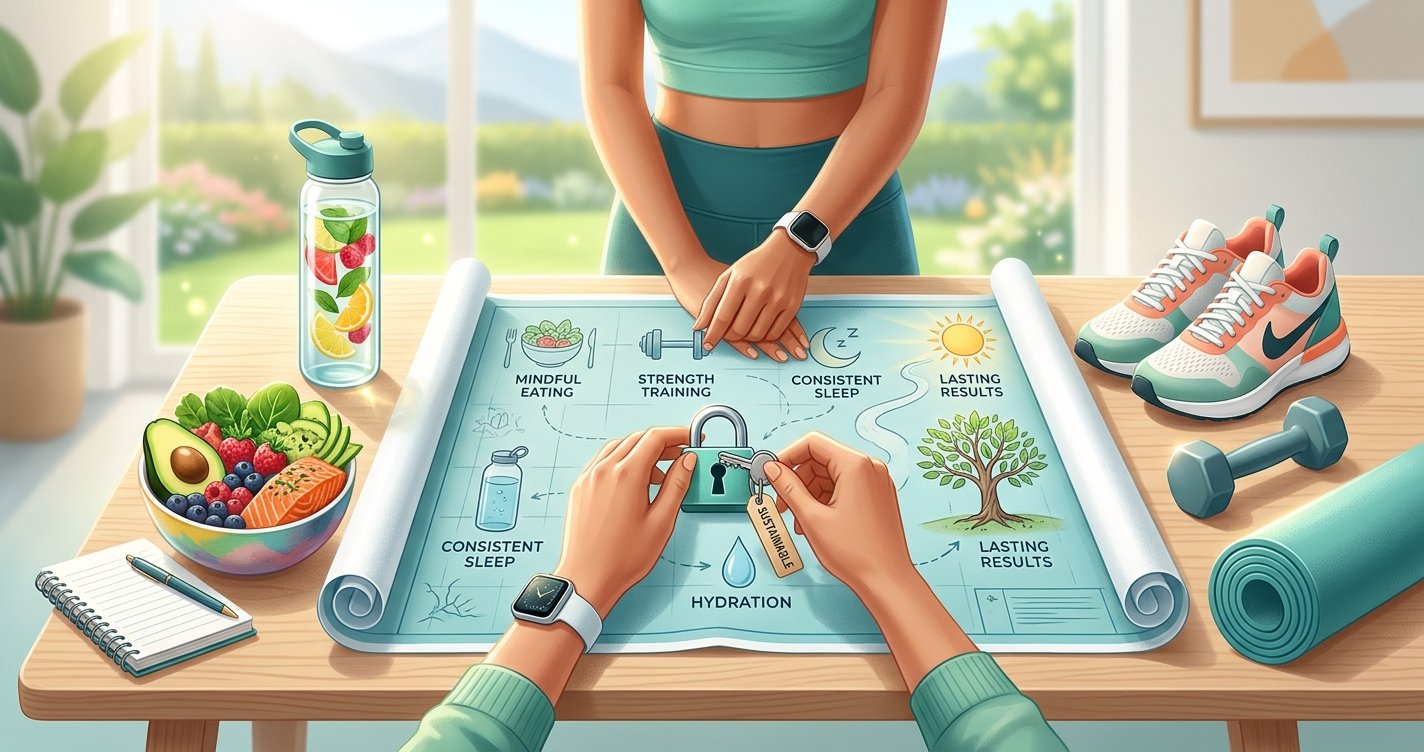
Are you tired of the endless cycle of crash diets, rapid weight loss, and then, inevitably, gaining it all back – sometimes even more? You're not alone. Millions struggle with finding a fat loss approach that actually sticks, leading to frustration and a sense of defeat. But what if I told you there's a better way? A path to lasting fat loss that doesn't involve extreme deprivation, misery, or sacrificing your favorite foods?
Welcome to the world of sustainable fat loss. This isn't about quick fixes; it's about building healthy habits that integrate seamlessly into your life, leading to consistent, long-term results and a healthier, happier you. Let's ditch the diet culture rhetoric and embrace an evidence-based, encouraging approach to transforming your body and your relationship with food. this excellent wellness product
Why Crash Diets Always Fail (Eventually)
Before we dive into what works, let's understand why the typical 'lose 10 pounds in 7 days' approach is doomed from the start. Crash diets, characterized by severe calorie restriction and often eliminating entire food groups, might show initial rapid weight loss, but this is largely water weight and muscle, not just fat.
The Metabolic Rebound
When you drastically cut calories, your body perceives it as a famine. In response, your metabolism slows down to conserve energy. This is a survival mechanism. Once you inevitably return to a more normal eating pattern (because who can sustain 800 calories a day forever?), your now slower metabolism is much more efficient at storing any excess energy as fat. This is often referred to as 'metabolic adaptation' or the 'yo-yo effect,' making it harder to lose weight in the future.
The Psychological Toll
Beyond the physical, crash diets are mentally and emotionally exhausting. They foster an unhealthy relationship with food, leading to feelings of deprivation, guilt, and often, binge eating. This cycle erodes self-esteem and makes sustainable change feel impossible. True fat loss requires a healthy mindset, not a punitive one.
Building Your Foundation: Calorie Deficit, Sustainably
At its core, fat loss requires a calorie deficit – consuming fewer calories than your body burns. However, the key word here is sustainably. This isn't about starving yourself; it's about finding a moderate deficit that you can maintain consistently over time.
- Calculate Your Maintenance: Start by estimating your Total Daily Energy Expenditure (TDEE) using an online calculator. This tells you how many calories you burn in a day.
- Aim for a Moderate Deficit: For sustainable fat loss, a deficit of 300-500 calories below your TDEE is generally recommended. This allows for steady fat loss (typically 1-2 pounds per week) without drastically slowing your metabolism or causing severe hunger.
- Track, Don't Torture: Consider tracking your food intake for a few weeks to understand your current habits and calorie consumption. Apps like MyFitnessPal or Cronometer can be incredibly helpful. This is for awareness, not obsession. Once you have a good grasp, you might not need to track every day.
- Focus on Whole Foods: Prioritize nutrient-dense, minimally processed foods. They offer more satiety for fewer calories and provide essential vitamins and minerals.
Fueling Your Body: The Power of Protein and Fiber
While total calories matter, the composition of those calories plays a massive role in both satiety and body composition during fat loss.
Protein: Your Satiety Superstar
Protein is your best friend when it comes to fat loss for several reasons:
- Satiety: Protein is the most satiating macronutrient, meaning it keeps you feeling fuller for longer, reducing cravings and overall calorie intake.
- Thermic Effect: Your body expends more energy digesting protein compared to carbs or fats (the 'thermic effect of food').
- Muscle Preservation: Adequate protein intake is crucial for preserving lean muscle mass during a calorie deficit. Muscle is metabolically active, burning more calories at rest than fat, so retaining it is key for a healthy metabolism.
Aim for 0.7-1 gram of protein per pound of your target body weight. Incorporate lean protein sources like chicken breast, fish, lean beef, eggs, Greek yogurt, cottage cheese, lentils, and tofu into every meal.
Fiber: The Gut-Friendly Filler
Fiber-rich foods are another cornerstone of sustainable fat loss. Found in fruits, vegetables, whole grains, and legumes, fiber adds bulk to your meals without adding many calories. It slows digestion, helps regulate blood sugar, and promotes gut health.
- Soluble Fiber: Forms a gel-like substance in water, slowing digestion and helping you feel full. (e.g., oats, apples, beans).
- Insoluble Fiber: Adds bulk to stool, aiding regularity and digestion. (e.g., leafy greens, whole wheat).
Strive for 25-35 grams of fiber per day, gradually increasing your intake to avoid digestive discomfort.
Move Smarter, Not Just Harder: Integrating Exercise
Exercise is a powerful tool for fat loss, not just for burning calories, but for improving body composition, boosting metabolism, and enhancing overall health. The best exercise routine is one you enjoy and can stick with.
Strength Training: Your Metabolic Accelerator
Don't skip the weights! Strength training is paramount for fat loss because it builds and preserves muscle mass. As mentioned, more muscle means a higher resting metabolism, helping you burn more calories even when you're not exercising. Aim for 2-4 strength training sessions per week, focusing on compound movements that work multiple muscle groups (squats, deadlifts, presses, rows).
Cardio: For Health and Heart
While strength training is king for body composition, cardiovascular exercise has its place. It improves heart health, endurance, and can contribute to your calorie deficit. Find activities you genuinely enjoy – walking, jogging, cycling, swimming, dancing. Aim for 150-300 minutes of moderate-intensity cardio or 75-150 minutes of vigorous-intensity cardio per week, spread throughout the week.
NEAT: The Unsung Hero
Non-Exercise Activity Thermogenesis (NEAT) refers to the calories you burn through everyday activities not related to structured exercise (walking, fidgeting, cleaning). Increasing your NEAT can significantly boost your daily calorie expenditure. Take the stairs, park further away, stand more, walk during phone calls – these small changes add up!
Beyond the Plate: Lifestyle Factors for Fat Loss
Fat loss isn't just about food and exercise; it's intricately linked to your overall lifestyle. Neglecting these areas can sabotage even the most diligent efforts.
Sleep: The Unsung Hero
Quality sleep is non-negotiable for fat loss. Lack of sleep disrupts hormones that regulate appetite (ghrelin and leptin), leading to increased hunger and cravings, especially for high-calorie, sugary foods. It also impairs insulin sensitivity and can reduce your motivation for exercise. Aim for 7-9 hours of quality sleep per night.
Stress Management: Tame the Cortisol Beast
Chronic stress triggers the release of cortisol, a hormone that, in excess, can promote fat storage (particularly around the midsection) and increase appetite. Find healthy ways to manage stress: meditation, yoga, spending time in nature, hobbies, or talking to a trusted friend. Prioritizing mental well-being is a powerful fat loss strategy.
Cultivating a Sustainable Mindset: Patience and Self-Compassion
This is perhaps the most crucial element of sustainable fat loss. It’s a marathon, not a sprint.
- Embrace the Journey, Not Just the Destination: Focus on the process and the daily habits you're building. Celebrate non-scale victories like increased energy, better sleep, stronger lifts, or clothes fitting better.
- Be Patient: Fat loss is rarely linear. There will be plateaus, fluctuations, and weeks where the scale doesn't move. Trust the process and stay consistent.
- Practice Self-Compassion: You're human. There will be days you overeat or miss a workout. Don't let one slip-up derail your entire journey. Learn from it, forgive yourself, and get back on track with your next meal or workout.
- Seek Support: Share your goals with a supportive friend, family member, or join an online community. Accountability and encouragement can make a huge difference.
Your Sustainable Path Forward
Sustainable fat loss isn't about perfection; it's about consistency, balance, and understanding your body. By focusing on a moderate calorie deficit, prioritizing protein and fiber, incorporating smart exercise, and managing lifestyle factors like sleep and stress, you're not just losing weight – you're building a healthier, stronger, and more resilient you.
Ditch the guilt, embrace the journey, and commit to habits that nourish your body and mind. Your future self will thank you for choosing the sustainable path to lasting results. Start small, stay consistent, and remember: every healthy choice is a step towards your best self.