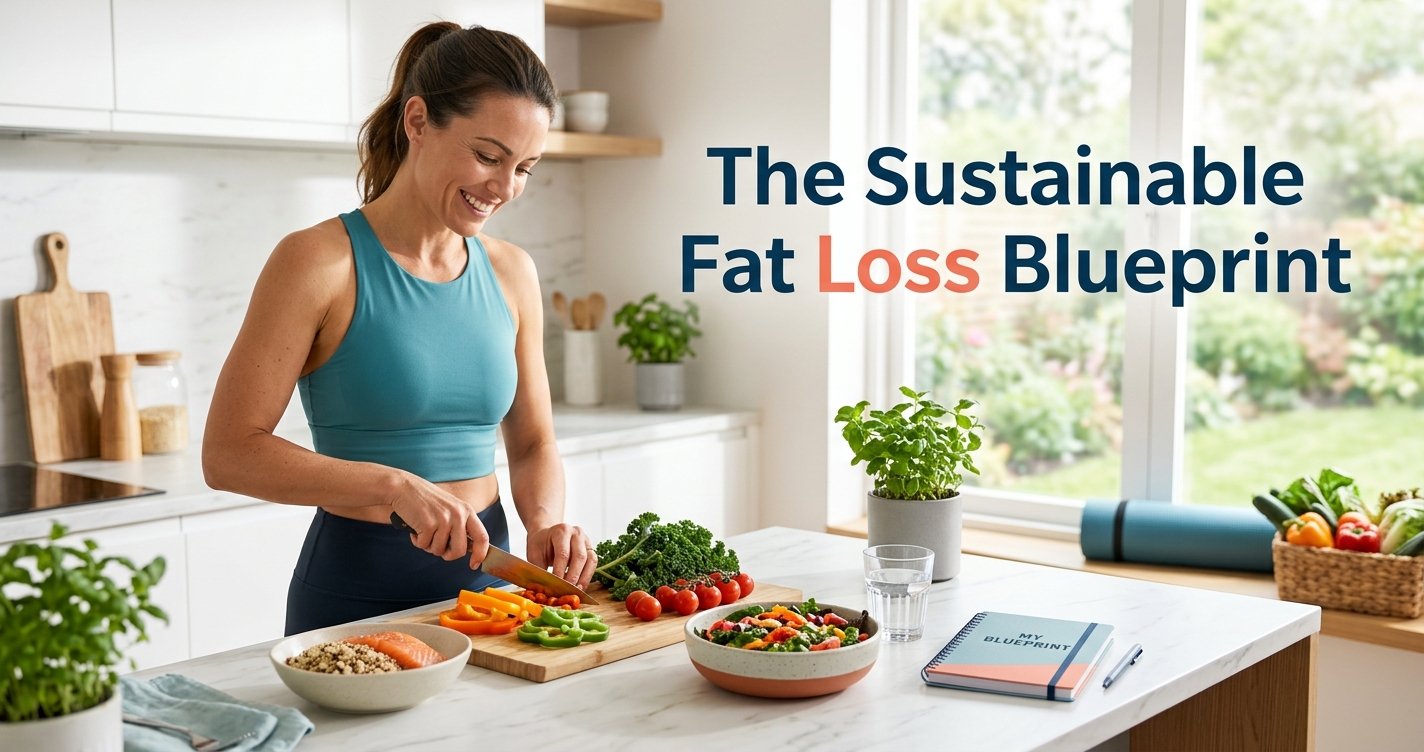
The Sustainable Fat Loss Blueprint: Achieve Your Goals Without Deprivation
Have you ever felt caught in the relentless cycle of dieting? You commit to a strict plan, see some initial results, only to find yourself back where you started (or even further behind) a few months later? It's a common, frustrating experience that leaves many feeling defeated and questioning their willpower. But here’s the empowering truth: it’s not your willpower that’s the problem; it’s often the approach itself.
The good news? Sustainable fat loss is not only possible, but it’s the only path to lasting success and a healthier, happier you. This isn't about quick fixes or extreme deprivation. It's about understanding your body, nourishing it wisely, and building habits that support your well-being for the long haul. Ready to ditch the diet mentality and embrace a journey that truly transforms? Let's dive in. this excellent wellness product
Why Crash Diets Always Fail: Understanding the Vicious Cycle
Crash diets promise rapid results by drastically cutting calories, eliminating entire food groups, or relying on restrictive rules. While the scale might initially drop, this approach often backfires spectacularly for several key reasons:
- Metabolic Adaptation: Your body is smart. When it senses a severe calorie deficit, it slows down your metabolism to conserve energy, making further fat loss harder.
- Muscle Loss: Extreme dieting often leads to losing not just fat, but precious muscle mass. Muscle is metabolically active, meaning it burns more calories at rest. Losing it further hinders your long-term fat loss efforts.
- Nutrient Deficiencies: Restrictive eating can deprive your body of essential vitamins and minerals, impacting energy levels, mood, and overall health.
- Psychological Toll: Constant hunger, deprivation, and the mental burden of strict rules often lead to intense cravings, emotional eating, and eventually, a rebound effect where you regain lost weight, sometimes even more. This cycle erodes confidence and makes future attempts feel even more daunting.
The bottom line? Crash diets are unsustainable. They create a battle against your body, not a partnership with it. Our goal is to work with your body, not against it, to achieve lasting results.
The Foundational Principle: A Smart Calorie Deficit
At its core, fat loss requires consuming fewer calories than your body burns – a calorie deficit. However, the key word here is smart. This isn't about starvation; it's about strategic reduction and nutrient optimization.
Instead of drastic cuts, aim for a moderate deficit of 300-500 calories per day below your maintenance level. This allows for steady, sustainable fat loss (typically 1-2 pounds per week) without triggering extreme metabolic slowdown or intense hunger. You can estimate your maintenance calories using an online TDEE (Total Daily Energy Expenditure) calculator, but remember, these are just starting points. Listen to your body and adjust as needed.
The best way to achieve this deficit is by focusing on whole, unprocessed foods. These foods are generally lower in calories but higher in nutrients and fiber, helping you feel full and satisfied on less. Think vibrant vegetables, lean proteins, and complex carbohydrates.
Fueling Your Journey: Mastering Macronutrients for Fat Loss
While total calories matter most, the composition of those calories (your macronutrients: protein, fats, and carbohydrates) plays a crucial role in satiety, muscle preservation, and overall health.
Protein: Your Satiety & Muscle Ally
Protein is paramount for fat loss. It's the most satiating macronutrient, meaning it keeps you feeling fuller for longer, reducing the urge to snack. Crucially, protein helps preserve muscle mass during a calorie deficit, which is vital for maintaining a healthy metabolism. Aim for 0.7-1 gram of protein per pound of body weight. Excellent sources include lean meats, poultry, fish, eggs, dairy, legumes, and tofu.
Healthy Fats: Essential for Hormones and Fullness
Don't fear fats! Healthy fats are essential for hormone production, nutrient absorption, and also contribute to satiety. However, they are calorie-dense, so moderation is key. Focus on unsaturated fats found in avocados, nuts, seeds, olive oil, and fatty fish like salmon. Incorporating a small amount of healthy fats with each meal can significantly enhance satisfaction.
Complex Carbohydrates: Sustainable Energy
Carbohydrates provide your body with energy. The key is choosing the right kind. Complex carbohydrates (whole grains, fruits, vegetables) are rich in fiber, which aids digestion, stabilizes blood sugar, and contributes to fullness. Avoid excessive amounts of refined carbs (white bread, sugary drinks, pastries) which offer little nutritional value and can lead to energy crashes and cravings. There's no need to eliminate carbs entirely; they are a vital fuel source, especially if you're active.
Move Your Body, Mindfully: Exercise for Lasting Results
While nutrition is king for fat loss, exercise is the powerful queen that supports and accelerates your progress, improving body composition and overall health.
Embrace Strength Training
Strength training is non-negotiable for sustainable fat loss. Building and maintaining muscle mass is critical because muscle burns more calories at rest than fat. Lifting weights not only helps you retain muscle during a deficit but can also build new muscle, boosting your metabolism and giving your body a more toned, sculpted appearance. Aim for 2-4 strength training sessions per week, focusing on compound movements (squats, deadlifts, presses, rows).
Incorporate Cardio & NEAT
Cardiovascular exercise, like brisk walking, jogging, cycling, or swimming, is great for heart health and burns additional calories. Aim for 150-300 minutes of moderate-intensity cardio per week. Don't underestimate the power of NEAT (Non-Exercise Activity Thermogenesis) – simply moving more throughout your day. Take the stairs, park further away, stand while working, or go for short walks. Every step adds up!
The best exercise routine is one you enjoy and can stick to consistently. Find activities that you genuinely look forward to, making movement a joyful part of your lifestyle, not a chore.
The Unsung Heroes: Lifestyle Factors Beyond Food and Exercise
True sustainable fat loss is holistic. Neglecting these crucial lifestyle factors can sabotage even the most perfectly planned diet and exercise routine.
Prioritize Quality Sleep
Lack of sleep wreaks havoc on your hormones. It increases ghrelin (the hunger hormone) and decreases leptin (the satiety hormone), making you feel hungrier and less satisfied. It also elevates cortisol, a stress hormone linked to belly fat storage. Aim for 7-9 hours of quality sleep per night. Establish a consistent sleep schedule, create a relaxing bedtime routine, and optimize your sleep environment.
Manage Stress Effectively
Chronic stress, like sleep deprivation, leads to elevated cortisol levels. High cortisol not only promotes fat storage (especially around the midsection) but also increases cravings for comfort foods. Find healthy ways to manage stress: meditation, yoga, spending time in nature, hobbies, or connecting with loved ones. Prioritizing mental well-being is just as important as physical.
Stay Hydrated
Often overlooked, adequate water intake is vital. Water plays a role in metabolism, helps you feel full, and can sometimes be mistaken for hunger. Aim for 8-10 glasses of water per day, and consider drinking a glass before each meal.
Cultivating Consistency: Building Habits That Stick
Sustainable fat loss isn't about perfection; it's about consistency and progress. There will be days when you overeat or miss a workout – and that’s perfectly normal. The key is how you respond to these moments. Don't let a small slip derail your entire journey. Get back on track with your next meal or workout.
Focus on building small, manageable habits one at a time. Instead of overhauling your entire diet overnight, try adding a serving of vegetables to each meal for a week. The next week, focus on drinking more water. These incremental changes build momentum and are far more sustainable than drastic measures.
Celebrate non-scale victories: improved energy, better sleep, stronger workouts, clothes fitting better, or simply feeling more confident and energetic. Patience is your greatest ally. Sustainable results take time, but they are infinitely more rewarding and lasting.
Embrace Your Sustainable Journey
True fat loss isn't about chasing a number on the scale; it's about cultivating a healthier relationship with food, movement, and yourself. By ditching the restrictive diet mentality and embracing a holistic, evidence-based approach centered on smart nutrition, effective exercise, and crucial lifestyle factors, you can achieve lasting results without feeling deprived.
This is your blueprint for a healthier, stronger, and more vibrant you. Start today, one small, sustainable step at a time. Your body, mind, and future self will thank you.