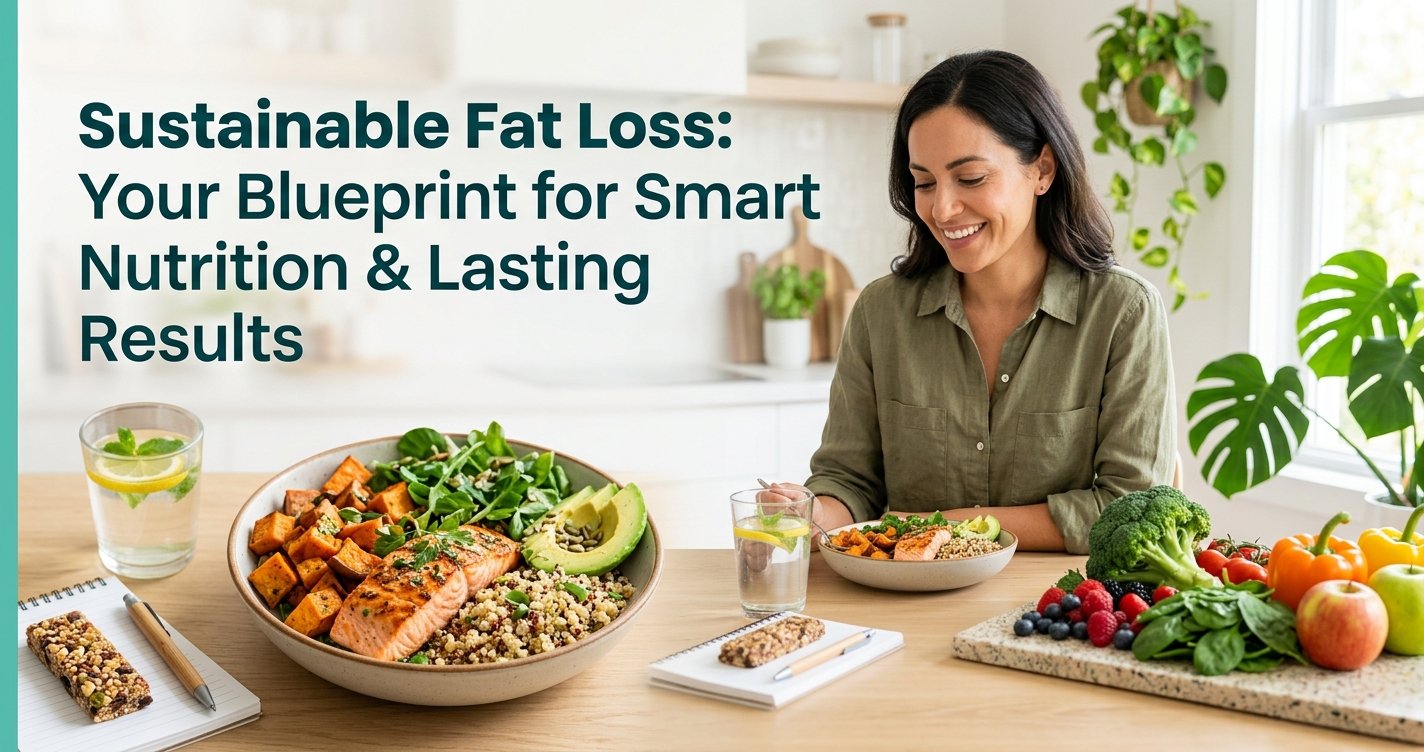
Are you tired of the endless cycle of fad diets, quick fixes, and the frustration of losing weight only to gain it back? You're not alone. Many people embark on a fat loss journey with high hopes, only to be met with unsustainable methods that lead to burnout and disappointment. But what if there was a better way? A path to genuine, lasting fat loss that doesn't involve extreme restriction or deprivation, but rather smart choices and sustainable habits?
Welcome to your blueprint for sustainable fat loss. This isn't about chasing a number on the scale overnight; it's about understanding your body, nourishing it intelligently, and building a lifestyle that supports your health and well-being in the long run. We'll explore evidence-based strategies that empower you to take control, feel great, and achieve results that truly stick. this excellent wellness product
The Core Principle: Understanding Your Calorie Deficit
At its heart, fat loss boils down to one fundamental principle: consuming fewer calories than your body expends. This is known as creating a calorie deficit. Your body needs a certain amount of energy (calories) to perform its daily functions, from breathing and thinking to exercising. When you consistently provide less energy than it needs, your body taps into its stored energy reserves – primarily body fat – to make up the difference.
It sounds simple, but the execution is where many get lost. A common mistake is to create too large of a deficit, leading to extreme hunger, nutrient deficiencies, muscle loss, and a slower metabolism. A moderate deficit, typically 300-500 calories below your maintenance level, is often recommended for sustainable and healthy fat loss, aiming for a loss of 1-2 pounds per week. This approach helps preserve muscle mass and keeps your metabolism humming.
Why Calorie Quality Matters
While a calorie deficit is non-negotiable, the source of those calories is just as crucial. Eating 1500 calories of highly processed foods will yield very different results than 1500 calories of whole, nutrient-dense foods. Nutrient-rich foods provide essential vitamins, minerals, fiber, and protein, which are vital for satiety, energy levels, and overall health during a fat loss phase.
Fueling Your Body Right: Smart Nutrition Strategies
Forget restrictive diets; let's talk about empowering food choices that support your goals.
The Power of Protein
Protein is your best friend when it comes to fat loss. Here's why:
- Satiety: Protein is incredibly filling. Including adequate protein in each meal helps you feel fuller for longer, reducing the likelihood of snacking on less nutritious options.
- Muscle Preservation: When you're in a calorie deficit, there's a risk of losing muscle mass along with fat. Protein helps to mitigate this, preserving your metabolism-boosting muscle.
- Thermic Effect: Protein has a higher thermic effect of food (TEF) than carbs or fats. This means your body expends more energy digesting and metabolizing protein, slightly increasing your daily calorie burn.
Aim for 0.7-1 gram of protein per pound of body weight per day, distributed across your meals. Excellent sources include lean meats, poultry, fish, eggs, dairy, legumes, and plant-based protein powders.
Embrace Fiber-Rich Foods
Fiber is another superstar for fat loss and overall health. Found in fruits, vegetables, whole grains, and legumes, fiber:
- Boosts Satiety: Like protein, fiber adds bulk to your meals, helping you feel full and satisfied.
- Aids Digestion: It promotes healthy digestion and regular bowel movements.
- Stabilizes Blood Sugar: Fiber slows down the absorption of sugar, preventing spikes and crashes that can lead to cravings.
Fill half your plate with non-starchy vegetables at every meal, and opt for whole grains over refined ones.
Don't Fear Healthy Fats
While fats are calorie-dense, healthy fats are essential for hormone production, nutrient absorption, and satiety. They also add flavor to your meals, making your diet more enjoyable and sustainable. Focus on unsaturated fats found in avocados, nuts, seeds, olive oil, and fatty fish like salmon. Incorporate them in moderation.
Hydration: Your Unsung Hero
Often overlooked, adequate water intake plays a significant role in fat loss. Water helps with metabolism, can reduce appetite (sometimes thirst is mistaken for hunger), and is crucial for overall bodily functions. Aim for at least 8 glasses of water a day, and even more if you're active.
Beyond the Plate: Lifestyle Habits for Lasting Change
Fat loss isn't just about what you eat; it's intricately linked to your daily habits and overall lifestyle.
Move Your Body: The Role of Exercise
While you can't out-train a bad diet, exercise significantly accelerates fat loss and improves body composition. Incorporate a mix of:
- Strength Training: Builds and preserves muscle mass, which boosts your metabolism and gives your body a more toned appearance. Aim for 2-3 sessions per week.
- Cardiovascular Exercise: Improves heart health and burns calories. Find activities you enjoy, whether it's walking, running, cycling, or dancing.
The key is consistency and finding an activity you genuinely enjoy to make it a sustainable part of your routine.
Sleep Your Way to Success
In our busy lives, sleep is often the first thing to be sacrificed, but it's detrimental to fat loss. Lack of sleep disrupts hunger-regulating hormones (ghrelin and leptin), making you hungrier and more prone to cravings for unhealthy foods. Aim for 7-9 hours of quality sleep per night to support your body's recovery and hormonal balance.
Mastering Stress for Better Body Composition
Chronic stress triggers the release of cortisol, a hormone that can promote fat storage, especially around the abdominal area. Find healthy ways to manage stress, such as meditation, yoga, spending time in nature, or engaging in hobbies you love. Prioritizing mental well-being is just as important as physical activity and nutrition.
Mindful Eating: Connecting with Your Body
Mindful eating involves paying attention to your food, recognizing hunger and fullness cues, and eating without distraction. This practice can help you:
- Enjoy your food more.
- Eat slower, giving your body time to register satiety.
- Prevent overeating.
- Develop a healthier relationship with food.
Before you eat, take a moment to assess your hunger. During your meal, savor each bite and put your fork down between mouthfuls. Stop when you're comfortably full, not stuffed.
Consistency Over Perfection: Building Habits That Stick
The journey to sustainable fat loss is rarely a straight line. There will be good days and challenging days. The most important thing is consistency, not perfection. Don't let a minor slip-up derail your entire progress. Acknowledge it, learn from it, and get back on track with your next meal or workout.
Focus on building small, manageable habits one at a time. Instead of overhauling your entire diet in one go, try adding a serving of vegetables to one meal a day for a week. Once that feels natural, add another habit. Small, consistent changes accumulate into significant, lasting results.
Your Journey to a Healthier, Happier You
Sustainable fat loss isn't about deprivation; it's about empowerment. It's about making informed choices, nurturing your body with nutrient-dense foods, staying active, prioritizing sleep, and managing stress effectively. By focusing on these pillars, you're not just losing fat; you're building a healthier, more vibrant you, capable of maintaining your results for a lifetime.
Embrace this journey with patience, self-compassion, and a commitment to your long-term well-being. You have the power to transform your health, one smart choice at a time. Start today, and discover the incredible strength within you to achieve lasting change.