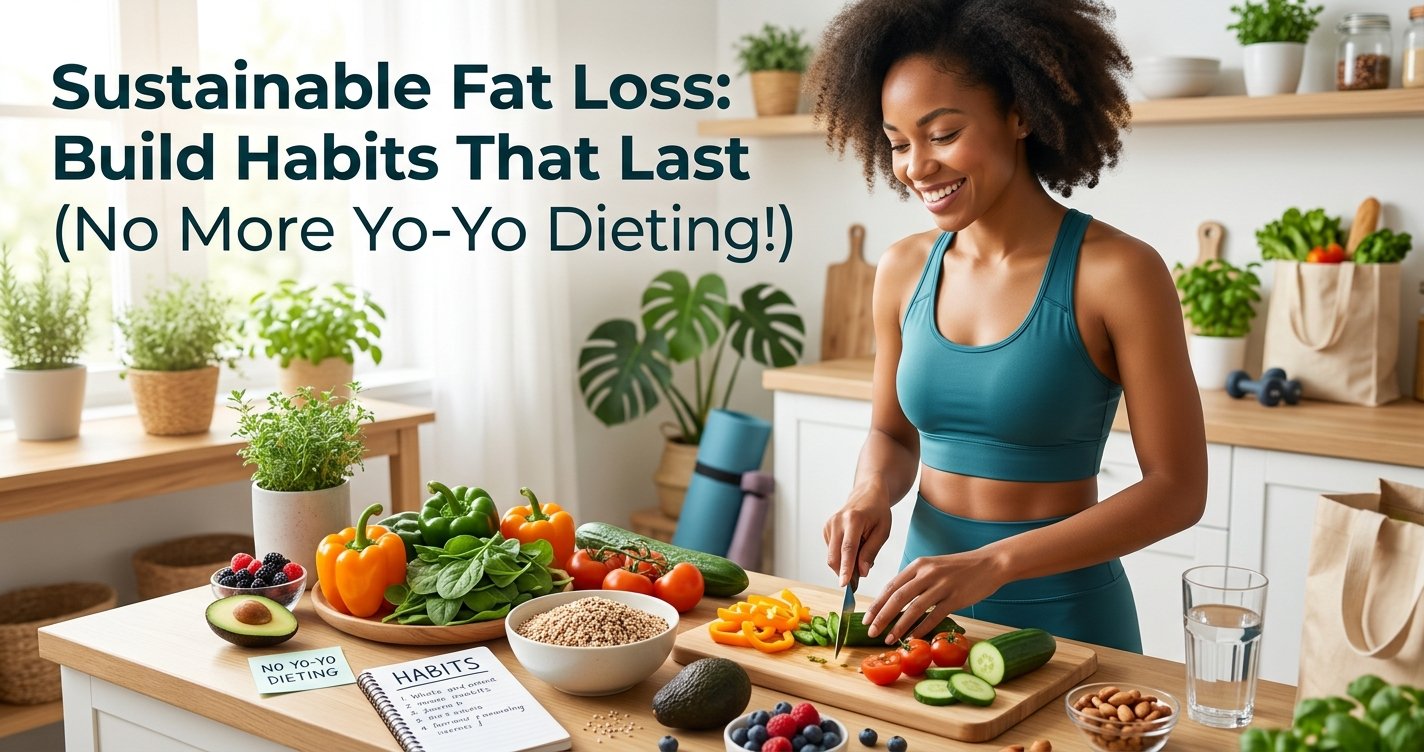
Are you tired of the endless cycle of losing weight only to gain it all back, and sometimes even more? The promise of quick fixes and dramatic transformations can be incredibly alluring, but often leaves us feeling frustrated and defeated. If you’re ready to step off the yo-yo diet rollercoaster and embrace a path to sustainable, long-term fat loss that actually sticks, you’re in the right place.
This isn't about deprivation or extreme measures. It's about understanding your body, building healthy habits that fit into your life, and making choices that nourish you from the inside out. We’re going to explore evidence-based strategies to help you not just lose fat, but keep it off, fostering a healthier, happier you for years to come. Let's ditch the quick fixes and build a foundation for lasting change! this excellent wellness product
Why Quick Fixes Fail: The Cycle of Frustration
The allure of rapid fat loss is powerful. Detox teas, extreme calorie restriction, and miracle pills promise immediate results. While some might see initial drops on the scale, these methods are rarely sustainable and often lead to a frustrating rebound. Why? Because they rarely address the root causes of weight gain and are almost impossible to maintain long-term.
Understanding the "Rebound Effect"
When you drastically cut calories, your body perceives it as starvation. Your metabolism can slow down to conserve energy, and your hunger hormones (like ghrelin) can increase, making you feel constantly hungry. This primal response is designed to protect you from famine, but in the context of dieting, it sets you up for failure. Once you return to a more normal eating pattern, your body, still in 'survival mode', is more likely to store calories as fat, leading to the dreaded rebound effect. This isn't a lack of willpower; it's your body's intelligent, albeit inconvenient, biological response.
The Foundation: Calorie Deficit (But Smarter!)
At its core, fat loss requires a calorie deficit – consuming fewer calories than your body burns. However, how you achieve that deficit makes all the difference for sustainability and health. It’s not just about eating less; it’s about eating better.
Prioritizing Protein and Fiber
Not all calories are created equal. Focusing on nutrient-dense foods, especially those rich in protein and fiber, is crucial. Protein is incredibly satiating, helping you feel fuller for longer and preserving muscle mass during fat loss. Good sources include lean meats, poultry, fish, eggs, dairy, legumes, and tofu. Fiber, found in fruits, vegetables, whole grains, and legumes, also contributes to satiety, aids digestion, and helps regulate blood sugar levels, preventing energy crashes and cravings.
- Aim for: A palm-sized portion of protein with each meal.
- Load up on: At least 5 servings of fruits and vegetables daily.
Mindful Eating: Beyond the Numbers
While tracking calories can be a useful tool, becoming more mindful about your eating habits is equally important. This means paying attention to your body's hunger and fullness cues, savoring your food, and understanding emotional triggers for eating. Slowing down, putting your fork down between bites, and eating without distractions can significantly improve your relationship with food and prevent overeating.
Move Your Body: Exercise for Sustainable Results
Exercise isn't just about burning calories; it's about building a stronger, healthier, more metabolically active body. For sustainable fat loss, a balanced approach combining strength training and cardiovascular exercise is key.
The Power of Strength Training
Often overlooked, strength training (lifting weights, bodyweight exercises) is perhaps the most powerful tool for long-term fat loss. Muscle tissue is more metabolically active than fat tissue, meaning it burns more calories even at rest. Building and maintaining muscle mass helps to boost your resting metabolism, making it easier to create and maintain a calorie deficit. Plus, it shapes your body, improves bone density, and boosts confidence!
- Start with: 2-3 full-body strength training sessions per week.
- Focus on: Compound movements like squats, deadlifts, push-ups, and rows.
Cardio: Your Heart's Best Friend
Cardiovascular exercise, like brisk walking, jogging, cycling, or swimming, is excellent for heart health, improving endurance, and burning calories. It complements strength training by improving your overall fitness and recovery. You don't need to spend hours on the treadmill; even moderate amounts can make a big difference.
- Aim for: 150-300 minutes of moderate-intensity cardio per week.
- Try: Incorporating walks into your daily routine or finding an activity you genuinely enjoy.
The Unsung Heroes: Sleep, Stress, and Hydration
These often-neglected lifestyle factors play a monumental role in your body's ability to lose fat and maintain overall health. Ignore them at your peril!
Why Sleep is Non-Negotiable
Quality sleep is crucial for hormonal balance. Lack of sleep can disrupt hormones like leptin (which signals fullness) and ghrelin (which signals hunger), leading to increased appetite and cravings, especially for unhealthy foods. It also affects insulin sensitivity and can elevate cortisol (the stress hormone), making fat loss more challenging.
- Prioritize: 7-9 hours of quality sleep per night.
- Create: A relaxing bedtime routine.
Managing Stress for Hormonal Balance
Chronic stress triggers the release of cortisol, which can promote fat storage, particularly around the abdominal area. Finding effective ways to manage stress – whether through meditation, yoga, spending time in nature, or hobbies – is vital for both mental well-being and physical health.
Water: Simple, Yet Powerful
Staying adequately hydrated is fundamental. Water plays a role in nearly every bodily function, including metabolism. Sometimes, our body confuses thirst for hunger, leading to unnecessary snacking. Drinking enough water can also aid satiety and support optimal organ function.
- Drink: Water throughout the day; aim for at least 8 glasses.
- Tip: Drink a glass of water before meals to help with satiety.
Building Habits That Stick: Small Steps, Big Impact
The secret to sustainable fat loss isn't about grand gestures; it's about consistent, small, positive changes that accumulate over time. Think of it as planting seeds for a healthier future.
Start Small and Be Consistent
Don't try to overhaul everything at once. Pick one or two habits to focus on each week or month. For example, start by adding a protein source to your breakfast, or commit to a 15-minute walk daily. Consistency trumps intensity every time. These small wins build momentum and confidence.
Track Your Progress (Beyond the Scale)
While the scale can be a useful metric, it doesn't tell the whole story. Muscle gain, water fluctuations, and hormonal changes can mask fat loss. Track other metrics: how your clothes fit, your energy levels, strength improvements, body measurements, and even your mood. Celebrate non-scale victories!
Embrace Imperfection and Learn
There will be days when you slip up, eat off-plan, or miss a workout. That's perfectly normal! The key is not to let one bad day derail your entire journey. Forgive yourself, learn from the experience, and get back on track with your next meal or workout. This journey is about progress, not perfection.
Your Journey, Your Pace: A Final Encouraging Word
Sustainable fat loss isn't a race; it's a marathon. It requires patience, consistency, and a commitment to nurturing your body with kindness and respect. By focusing on building healthy habits around nutrition, exercise, sleep, stress management, and hydration, you're not just losing fat – you're building a foundation for lifelong health and well-being.
Remember, this is your unique journey. Listen to your body, find what works for you, and celebrate every step of progress, big or small. You have the power to create lasting change and achieve the vibrant, healthy life you deserve. Start today, one small habit at a time, and watch how powerfully your life transforms.