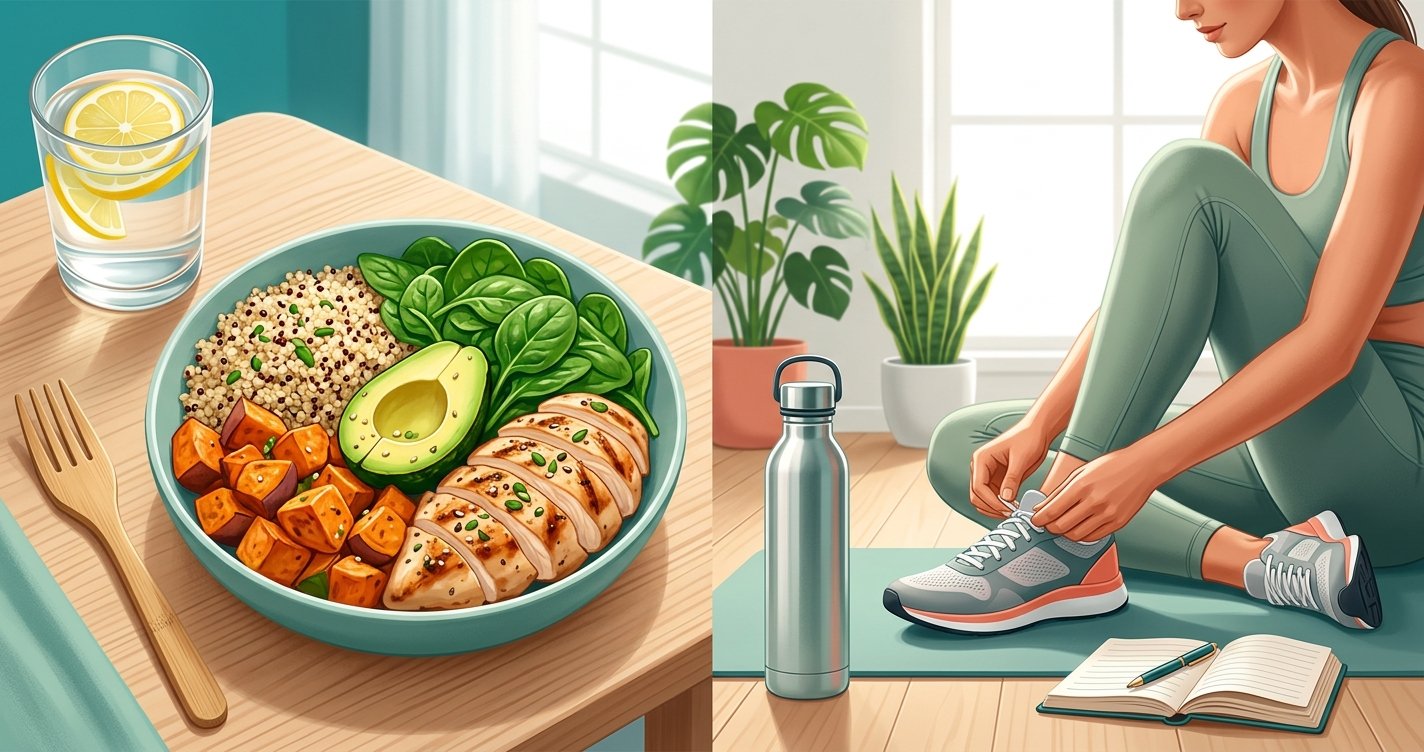
Tired of the Fat Loss Rollercoaster? Discover How to Build Habits That Last!
Have you ever found yourself in a frustrating cycle? You embark on a new diet, restrict everything, see some quick results, only to eventually burn out, regain the weight, and often more? It’s a common story, and it’s not your fault. The world of fat loss is often dominated by quick fixes, extreme diets, and unrealistic promises that set us up for failure.
But what if there was a different way? A path that focuses not on deprivation, but on building sustainable, healthy habits that lead to lasting fat loss and a body you feel great in, year after year? That's exactly what we're going to explore today. Forget the yo-yo dieting trap; it's time to embrace a friendly, evidence-based approach to sustainable fat loss that truly works. this excellent wellness product
Why Quick Fixes Fail: The Yo-Yo Diet Trap
Before we dive into solutions, let's understand why those rapid weight loss schemes often backfire. Extreme calorie restriction, eliminating entire food groups, or relying on restrictive meal plans might yield fast initial results, but they are incredibly difficult to maintain long-term. Here’s why:
- Metabolic Adaptation: Your body is smart. When calories drop drastically, it adapts by slowing down your metabolism to conserve energy, making further fat loss harder and weight regain easier.
- Hormonal Imbalance: Restrictive diets can mess with hunger and satiety hormones (ghrelin and leptin), leading to increased cravings and a feeling of constant hunger. Stress hormones like cortisol can also spike.
- Nutrient Deficiencies: Cutting out major food groups can lead to a lack of essential vitamins and minerals, impacting energy levels, mood, and overall health.
- Psychological Burnout: Constant deprivation is mentally exhausting. It often leads to feelings of failure, guilt, and a strained relationship with food.
The truth is, these methods are designed for short-term gains, not long-term health or sustainable fat loss. Our goal is to break free from this cycle for good.
The Foundation of Lasting Change: Understanding Energy Balance
At its core, fat loss comes down to a simple principle: consuming fewer calories than your body expends. This is known as creating a calorie deficit. While simple, it's not always easy, and the magic isn't in extreme restriction, but in making smart, consistent choices that naturally facilitate this deficit.
Think of it as setting your body up for success by providing it with the right fuel and encouraging it to use its stored energy (fat). We're not talking about starvation; we're talking about smart, strategic adjustments that fit into your life.
Building Your Sustainable Fat Loss Toolkit: Key Habits
Sustainable fat loss isn't about one magic bullet; it's about stacking small, impactful habits that collectively create powerful change. Let's explore some of the most effective, evidence-based strategies:
Prioritize Protein: Your Satiety Superpower
Protein is your best friend when it comes to fat loss. Why?
- Satiety: Protein is incredibly filling. Including adequate protein at each meal helps you feel fuller for longer, reducing overall calorie intake naturally.
- Muscle Preservation: When you're in a calorie deficit, your body can lose both fat and muscle. Protein helps preserve lean muscle mass, which is crucial because muscle burns more calories at rest than fat.
- Thermic Effect of Food (TEF): Protein has a higher TEF than carbs or fats, meaning your body burns more calories digesting and metabolizing it.
Actionable Tip: Aim for 20-30 grams of protein per meal from sources like lean meats, poultry, fish, eggs, dairy, legumes, and tofu.
Embrace Whole Foods: Fueling Your Body Right
Whole, unprocessed foods are packed with nutrients, fiber, and water, making them naturally more filling and satisfying than their processed counterparts. They provide sustained energy and support overall health.
- Fiber Power: Foods rich in fiber (fruits, vegetables, whole grains) slow digestion, promote satiety, and contribute to gut health.
- Nutrient Density: Whole foods provide essential vitamins and minerals without excess empty calories.
Actionable Tip: Focus on filling your plate with a rainbow of vegetables, lean proteins, and complex carbohydrates. Limit highly processed snacks, sugary drinks, and refined grains.
Move Your Body Smartly: Beyond Just Cardio
While cardio has its place, strength training is a non-negotiable for sustainable fat loss and body composition improvements. Building muscle boosts your metabolism, shaping your body and making you stronger.
- Metabolic Boost: More muscle means a higher resting metabolic rate, burning more calories even when you're not exercising.
- Body Recomposition: Strength training helps you lose fat while maintaining or building muscle, leading to a leaner, more toned physique that looks and feels better than just losing 'weight'.
Don't forget about general activity! Incorporate more movement into your day (walks, taking stairs, fidgeting) – this 'Non-Exercise Activity Thermogenesis' (NEAT) adds up significantly.
Actionable Tip: Aim for 2-3 strength training sessions per week, focusing on compound movements. Add daily walks and find ways to be more active throughout your day.
Master Sleep & Stress: The Unsung Heroes of Fat Loss
Often overlooked, sleep and stress management play a critical role in your body’s ability to lose fat.
- Sleep Deprivation: Lack of sleep can disrupt hunger hormones (increasing ghrelin, decreasing leptin), making you hungrier and more prone to cravings for high-calorie foods. It also increases cortisol, which can promote fat storage around the belly.
- Chronic Stress: Similar to sleep deprivation, chronic stress elevates cortisol levels, which can lead to increased appetite, cravings, and stubborn belly fat.
Actionable Tip: Prioritize 7-9 hours of quality sleep per night. Incorporate stress-reducing activities like meditation, yoga, deep breathing, or spending time in nature.
Hydration & Mindful Eating: Simple Yet Powerful
- Stay Hydrated: Drinking enough water can help with satiety, boost metabolism slightly, and is essential for all bodily functions. Sometimes, thirst is mistaken for hunger!
- Eat Mindfully: Slow down, savor your food, pay attention to hunger and fullness cues, and eliminate distractions during meals. This helps you recognize when you're truly satisfied, preventing overeating.
Actionable Tip: Carry a water bottle and sip throughout the day. Before reaching for a snack, drink a glass of water and wait 10-15 minutes. Practice eating without screens.
Consistency Over Perfection: The Marathon, Not a Sprint
Sustainable fat loss is a journey, not a destination. There will be days when you don't hit all your targets, weeks where the scale doesn't budge, and moments where you indulge. That's perfectly normal! The key is consistency, not perfection.
Don't let one 'off' meal or day derail your entire progress. Get back on track with your healthy habits at the next opportunity. View setbacks as learning experiences, not failures. Be patient and trust the process.
Tracking Progress Beyond the Scale: What Really Matters
While the scale can be a useful tool, it doesn't tell the whole story, especially when you're incorporating strength training. Muscle is denser than fat, so your weight might not change drastically even as your body composition improves. Look for other indicators of progress:
- Measurements: Track waist, hips, arms, and thigh circumference.
- Progress Photos: Compare photos taken every 4-6 weeks.
- Clothing Fit: How do your clothes feel? Are they looser?
- Strength & Performance: Are you lifting heavier, running longer, feeling stronger?
- Energy Levels & Mood: Are you sleeping better, feeling more energized and positive?
These non-scale victories often provide a more accurate and encouraging picture of your sustainable fat loss journey.
Your Sustainable Path Starts Now
You have the power to step off the fat loss rollercoaster and build a foundation for lasting health and a body you love. It's not about quick fixes or harsh restrictions, but about empowering yourself with small, consistent, evidence-based habits.
Start small. Pick one or two habits from this list to focus on this week. Once they feel natural, add another. Be patient, be kind to yourself, and celebrate every step of your progress. This isn't just about losing fat; it's about gaining a healthier, happier, and more sustainable lifestyle. You've got this!