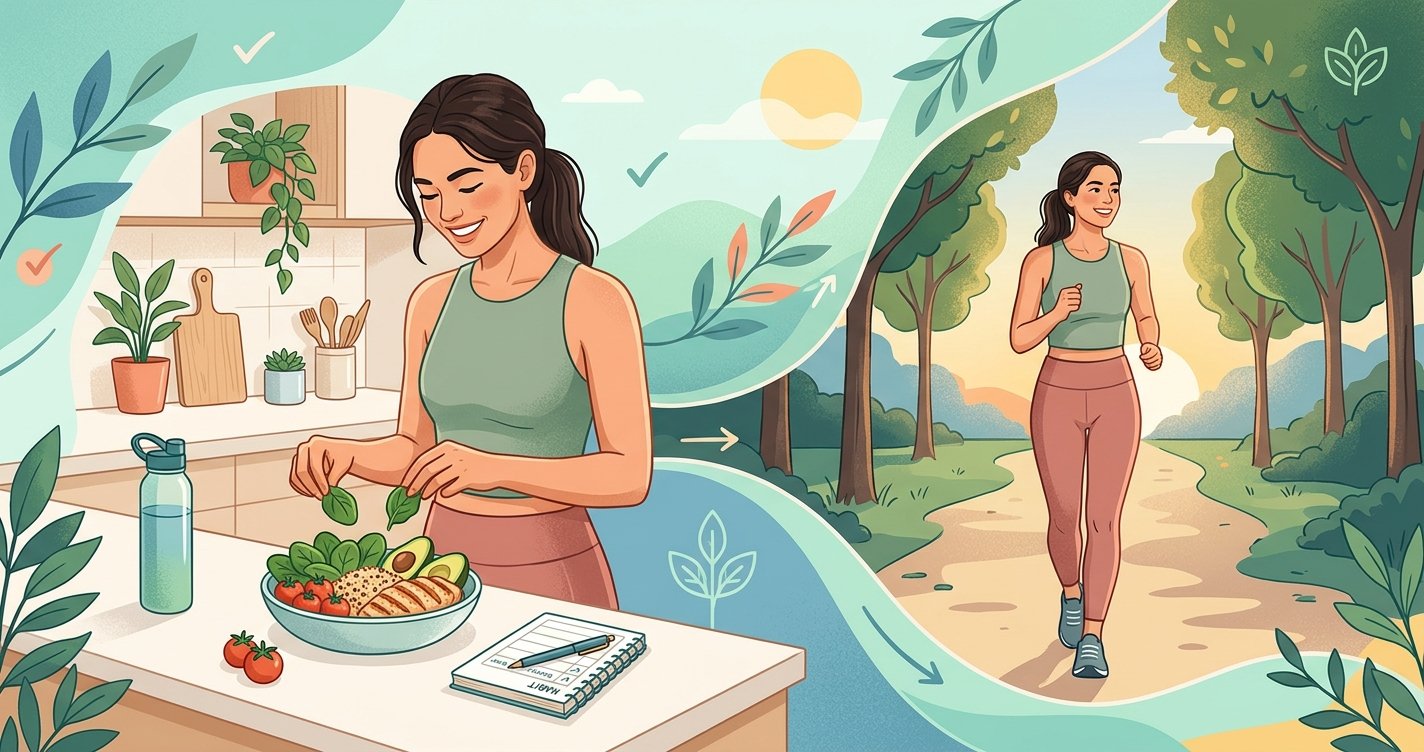
Sustainable Fat Loss: Build Habits That Last Beyond the Quick Fixes
Are you tired of the yo-yo diet cycle? The endless promises of quick fixes that leave you feeling defeated and right back where you started? If so, you're not alone. Many of us embark on a fat loss journey with high hopes, only to be met with unsustainable methods and disappointing results. But what if there was a better way? A path focused not on deprivation, but on building lasting habits that genuinely support your body, mind, and long-term health?
This isn't about rigid rules or extreme measures. It's about understanding the science behind fat loss and empowering yourself with practical, evidence-based strategies that stick. We're going to explore how to achieve sustainable fat loss by focusing on foundational principles, smart nutrition, effective movement, vital lifestyle factors, and a resilient mindset. Get ready to ditch the quick fixes and embrace a journey that truly transforms! this excellent wellness product
Understanding the Foundation: The Non-Negotiable Calorie Deficit
Let's get straight to the science: to lose fat, you must consume fewer calories than your body burns. This is known as a calorie deficit, and it's the undisputed physiological principle for fat loss. Think of your body as a car and calories as fuel. If you put in less fuel than you use, the car eventually taps into its reserves – in our case, stored body fat.
- How it works: Your body constantly expends energy for basic functions (breathing, circulation), daily activities, and exercise. If your caloric intake is consistently lower than this total energy expenditure, your body will begin to break down stored fat for energy.
- It's not about starvation: A calorie deficit doesn't mean eating tiny portions and feeling constantly hungry. It means making smart food choices that provide nutrients and satiety within a slightly reduced energy budget.
- The starting point: While tracking calories can be a useful tool for awareness, the goal isn't to obsess. It's about understanding energy balance and making conscious choices that naturally lead to a deficit over time, without feeling deprived.
While the calorie deficit is the engine, it's not the only part of the car. How you create that deficit, and what else you do for your body, profoundly impacts the sustainability and health benefits of your fat loss journey.
Fueling Your Body Right: The Power of Protein and Whole Foods
Once you understand the calorie deficit, the next crucial step is optimizing what you eat. This isn't just about restricting, but about nourishing your body with nutrient-dense foods that support fat loss and overall well-being.
- Protein Powerhouse: Protein is your best friend for sustainable fat loss. Why?
- Satiety: Protein is incredibly filling, helping you feel fuller for longer and reducing cravings.
- Muscle Preservation: When in a calorie deficit, your body can break down muscle tissue for energy. Adequate protein intake helps preserve lean muscle mass, which is vital for a healthy metabolism.
- Thermic Effect: Protein has a higher thermic effect of food (TEF) than carbs or fats, meaning your body burns more calories digesting it.
- Embrace Whole, Unprocessed Foods: Prioritize fruits, vegetables, whole grains, and healthy fats. These foods are packed with vitamins, minerals, and fiber.
- Fiber: Like protein, fiber enhances satiety and supports digestive health. Think leafy greens, berries, oats, and beans.
- Nutrient Density: Whole foods provide essential nutrients without excess calories, supporting your body's functions and preventing deficiencies often associated with restrictive diets.
- Limit Ultra-Processed Foods: These are often high in calories, unhealthy fats, added sugars, and sodium, offering little nutritional value. They tend to be less satiating and can easily lead to overeating.
Focus on building balanced meals around protein, fiber-rich vegetables, and complex carbohydrates. This approach helps you manage hunger, sustain energy, and ensure your body gets the fuel it needs to thrive.
Moving Your Body Smart: Beyond Just Cardio
When many people think of fat loss and exercise, they immediately picture endless hours on the treadmill. While cardio has its place, a smart movement strategy for sustainable fat loss goes far beyond that.
- The Magic of Strength Training: Incorporating resistance training (lifting weights, bodyweight exercises) is incredibly powerful for fat loss.
- Builds Muscle: Muscle tissue is metabolically active, meaning it burns more calories at rest than fat tissue. More muscle = higher resting metabolism.
- Shapes Your Body: Strength training helps sculpt your physique, giving you a toned and strong appearance as you lose fat.
- Bone Health: It also contributes to stronger bones, a vital aspect of long-term health.
- Cardio for Heart Health and Calorie Burn: Don't ditch cardio entirely! It's fantastic for cardiovascular health, endurance, and can contribute to your calorie deficit.
- Variety is Key: Mix high-intensity interval training (HIIT) with steady-state cardio (like brisk walking, jogging, cycling).
- Find What You Enjoy: The best cardio is the one you'll actually do!
- Boost Your NEAT (Non-Exercise Activity Thermogenesis): This often overlooked component refers to the calories burned from everything you do that isn't formal exercise or sleeping.
- Walk More: Take the stairs, park further away, go for a stroll on your lunch break.
- Fidget: Believe it or not, small movements add up!
- Active Hobbies: Gardening, cleaning, playing with pets or kids.
The key is to create a well-rounded fitness routine that you enjoy and can stick with, combining strength, cardio, and general activity.
The Unsung Heroes: Sleep, Stress, and Hydration
You can eat perfectly and exercise diligently, but if you neglect these crucial lifestyle factors, your fat loss efforts will be an uphill battle. These "unsung heroes" play a monumental role in your body's ability to lose fat and stay healthy.
- Prioritize Quality Sleep: Lack of sleep wreaks havoc on your hormones, directly impacting hunger and fat storage.
- Ghrelin & Leptin: Insufficient sleep increases ghrelin (the hunger hormone) and decreases leptin (the satiety hormone), making you feel hungrier and less satisfied.
- Cortisol: Poor sleep elevates cortisol, the stress hormone, which can lead to increased fat storage, particularly around the midsection.
- Energy Levels: When you're tired, you're less likely to have the energy for workouts or make healthy food choices.
- Manage Stress Effectively: Chronic stress, like lack of sleep, keeps cortisol levels elevated.
- Emotional Eating: Stress often leads to emotional eating and cravings for comfort foods high in sugar and unhealthy fats.
- Metabolic Impact: High cortisol can impair insulin sensitivity and encourage fat storage.
- Stay Hydrated: Water is essential for countless bodily functions, including metabolism.
- Satiety: Sometimes thirst is mistaken for hunger. Drinking water before meals can help you feel fuller.
- Metabolism: Proper hydration supports metabolic processes and the transport of nutrients.
Don't underestimate the power of these fundamental habits. They create the optimal internal environment for your body to release fat effectively and keep you feeling your best.
Cultivating a Mindset for Lasting Change: Patience and Self-Compassion
Sustainable fat loss isn't just about what you do; it's profoundly about how you think and feel about the process. Your mindset can be your greatest ally or your biggest obstacle.
- Ditch the "All or Nothing" Mentality: Perfectionism is the enemy of progress. One "off" meal or missed workout doesn't derail your entire journey. Get back on track at your next opportunity.
- Focus on Habits, Not Just the Scale: The scale is just one metric. Celebrate non-scale victories: increased energy, strength gains, clothes fitting better, improved mood, better sleep. These indicate true progress.
- Embrace Patience: Sustainable fat loss is a marathon, not a sprint. Expect plateaus and fluctuations – they are a normal part of the process. Trust the process and stay consistent.
- Practice Self-Compassion: Be kind to yourself. There will be challenging days. Instead of self-criticism, offer yourself the same encouragement you'd give a friend. Learn from setbacks rather than letting them define you.
- Identify Your "Why": What truly motivates you beyond a number on the scale? Is it more energy for your kids? Better health for your future? A stronger sense of self? Connecting with your deeper "why" will fuel your motivation when things get tough.
Developing a positive, resilient mindset is arguably the most important long-term strategy for maintaining your results and enjoying the journey.
Practical Strategies for Implementation: Making it Happen
Knowledge is power, but action creates change. Here are some actionable tips to integrate these principles into your daily life:
- Meal Planning & Prep: Dedicate time each week to plan your meals and snacks. Prepare ingredients or entire meals in advance to make healthy eating effortless during busy weekdays.
- Smart Snacking: Keep healthy, protein-rich snacks readily available (Greek yogurt, hard-boiled eggs, nuts, fruit with nut butter) to prevent impulsive unhealthy choices.
- Portion Awareness: Learn appropriate portion sizes. You don't always need to weigh everything, but understanding what a serving looks like can be incredibly helpful.
- Mindful Eating: Pay attention to your food, savor each bite, and eat slowly. This helps you recognize hunger and fullness cues, preventing overeating.
- Track Progress (Beyond the Scale): Regularly measure circumference (waist, hips), take progress photos, and note strength improvements in your workouts.
- Build a Support System: Share your goals with friends or family, find an accountability partner, or join a supportive community.
- Start Small & Build: Don't try to overhaul everything at once. Pick one or two habits to focus on for a few weeks until they become ingrained, then add another. Small, consistent steps lead to massive results over time.
Conclusion: Your Journey to Lasting Health and Vitality
Sustainable fat loss isn't a destination; it's a journey of continuous learning, adaptation, and self-care. By understanding the core principle of a calorie deficit and then strategically optimizing your nutrition with protein and whole foods, embracing a diverse movement routine, prioritizing sleep and stress management, and cultivating a resilient mindset, you're building a foundation for success that goes far beyond just shedding pounds.
You're investing in your energy, your health, your confidence, and your overall quality of life. Ditch the temporary fixes and empower yourself with habits that will serve you for years to come. Be patient, be kind to yourself, and celebrate every step of your progress. Your body and mind will thank you for it!