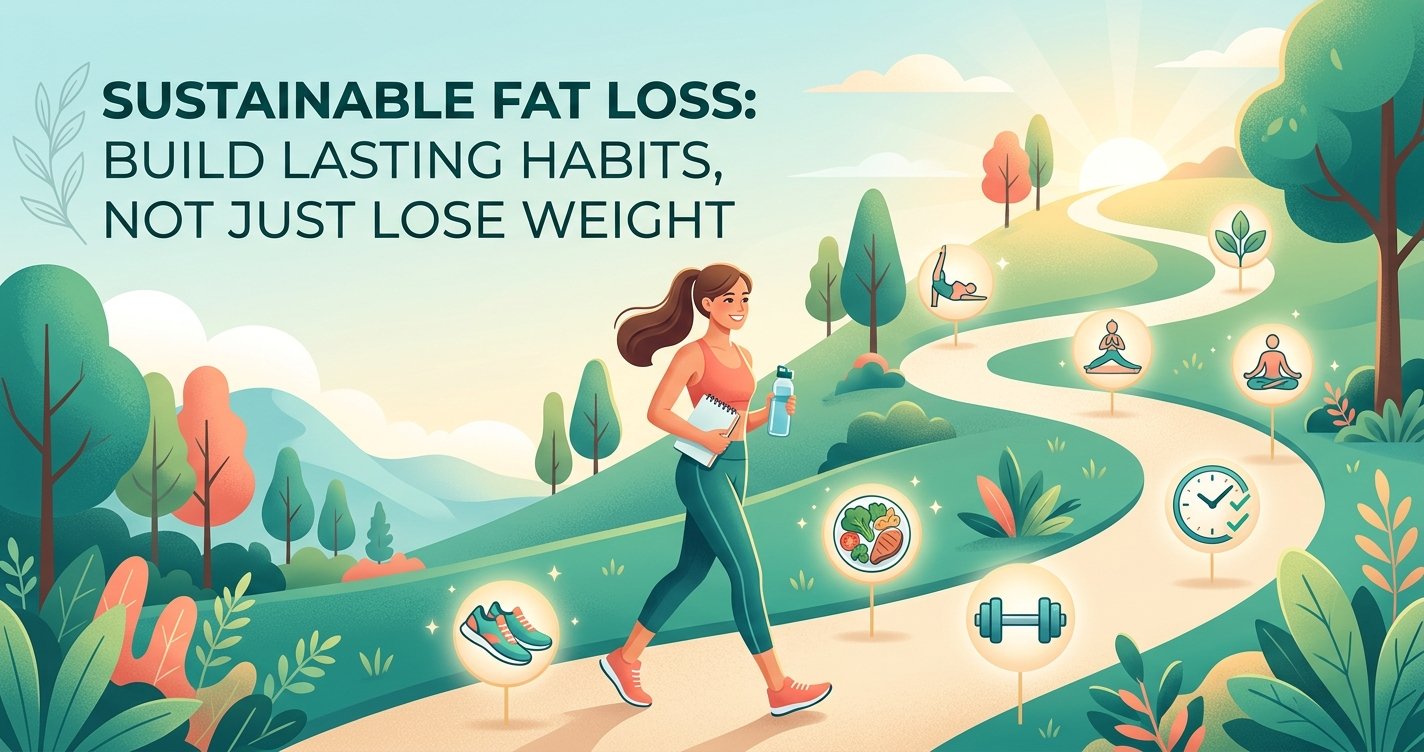
The journey to fat loss is often paved with good intentions, extreme diets, and the dreaded "yo-yo" effect. You lose weight, only to gain it back, sometimes even more, feeling defeated and frustrated. Sound familiar? It’s a common cycle that leaves many wondering if sustainable fat loss is even possible. The good news? It absolutely is! But it requires a shift in perspective – moving away from quick fixes and towards building lasting habits that support your body, mind, and overall health. This isn't about deprivation; it's about empowerment. We'll explore evidence-based strategies to help you not just lose fat, but keep it off for good, fostering a healthier, happier you.
Understanding Sustainable Fat Loss (Beyond Quick Fixes)
True, sustainable fat loss isn't about crash diets or extreme calorie restriction. These methods often lead to muscle loss, nutrient deficiencies, hormonal imbalances, and a slower metabolism, making long-term maintenance incredibly difficult. Instead, sustainable fat loss focuses on gradual, consistent changes that you can comfortably integrate into your lifestyle indefinitely. It prioritizes your overall well-being, recognizing that fat loss is a byproduct of a healthy lifestyle, not the sole objective. This approach helps you avoid the metabolic damage associated with extreme dieting and fosters a positive relationship with food and your body. It's about nurturing your body, not punishing it. this excellent wellness product
The Cornerstone: Nutrition for Lasting Results
Nutrition is undeniably the most significant factor in fat loss. However, "eating healthy" doesn't mean eating boring or restrictive. It means making informed choices that fuel your body efficiently and keep you feeling satisfied.
Prioritize Whole Foods
At the heart of sustainable nutrition are whole, unprocessed foods. Think lean proteins, fruits, vegetables, whole grains, and healthy fats. These foods are packed with essential vitamins, minerals, and fiber, which promote satiety, stabilize blood sugar, and provide sustained energy. They naturally help you feel fuller on fewer calories compared to their processed counterparts, which often contain hidden sugars, unhealthy fats, and artificial ingredients that can sabotage your progress.
Protein Power
Protein is your best friend when it comes to fat loss. It’s highly thermogenic (meaning your body burns more calories digesting it), incredibly satiating, and crucial for preserving muscle mass during a calorie deficit. Aim for a good source of protein with every meal – think chicken breast, fish, eggs, Greek yogurt, tofu, or legumes. This helps manage hunger and supports your metabolism.
Smart Carb Choices & Healthy Fats
Don't fear carbohydrates or fats! The key is choosing the right kinds. Opt for complex carbohydrates like oats, quinoa, brown rice, and sweet potatoes, which provide sustained energy and fiber. Healthy fats from avocados, nuts, seeds, and olive oil are vital for hormone production, nutrient absorption, and satiety. They help keep you feeling full and prevent cravings. Portion control is still important, but these foods are essential for a healthy body.
Hydration and Mindful Eating
Often overlooked, proper hydration is crucial. Water can help you feel full, boost metabolism slightly, and is essential for all bodily functions. Aim for at least 8 glasses a day. Equally important is mindful eating. Slow down, savor your food, pay attention to hunger and fullness cues, and avoid distractions. This helps prevent overeating and improves digestion.
Move Your Body, Fuel Your Metabolism
While nutrition lays the groundwork, physical activity accelerates fat loss, preserves muscle, and significantly improves overall health and well-being. It's not just about burning calories; it's about building a stronger, more resilient body.
Strength Training: The Muscle-Building Advantage
If you're not lifting weights, you're missing out! Strength training is paramount for fat loss because muscle tissue is metabolically active, meaning it burns more calories at rest than fat tissue. Building muscle not only sculpts your body but also boosts your resting metabolic rate, making it easier to maintain fat loss long-term. Aim for 2-4 strength training sessions per week, focusing on compound movements that work multiple muscle groups.
Cardio for Health and Calorie Burn
Cardiovascular exercise is excellent for heart health, endurance, and burning calories. Whether it's brisk walking, jogging, cycling, swimming, or dancing, find activities you enjoy. Incorporate a mix of moderate-intensity steady-state cardio and perhaps some high-intensity interval training (HIIT) for maximum benefits. HIIT can be very effective for burning calories and improving cardiovascular fitness in shorter periods.
NEAT: The Unsung Hero of Daily Activity
NEAT stands for Non-Exercise Activity Thermogenesis – essentially, all the calories you burn doing everyday movements outside of structured exercise. This includes walking to work, taking the stairs, fidgeting, cleaning, or even standing instead of sitting. Boosting your NEAT can significantly increase your daily calorie expenditure without feeling like a workout. Get a step tracker and aim for 7,000-10,000 steps daily.
The Mind-Body Connection: Sleep, Stress, and Support
Fat loss isn't just about diet and exercise; your mental and emotional well-being play a massive role. Neglecting these aspects can sabotage even the most diligent efforts.
The Power of Sleep
Skimping on sleep can wreak havoc on your fat loss efforts. Lack of sleep disrupts hunger-regulating hormones like ghrelin (which increases appetite) and leptin (which signals fullness), leading to increased cravings for unhealthy foods and overeating. It also impacts insulin sensitivity and can reduce your motivation for exercise. Aim for 7-9 hours of quality sleep per night.
Managing Stress for Better Outcomes
Chronic stress elevates cortisol levels, a hormone that can promote fat storage, particularly around the abdominal area. High cortisol can also increase appetite and cravings for comfort foods. Incorporate stress-reducing practices into your daily routine, such as meditation, yoga, deep breathing exercises, spending time in nature, or engaging in hobbies you enjoy.
Building a Support System
You don't have to do this alone. Share your goals with friends, family, or join a supportive community. Accountability partners can provide encouragement, motivation, and help you stay on track. Whether it's a workout buddy or an online group, having support can make a significant difference in your journey.
Tracking Progress (Beyond the Scale)
While the scale can be a useful tool, it doesn't tell the whole story, especially when you're building muscle. Focusing solely on weight can be discouraging and lead to an unhealthy obsession.
Non-Scale Victories
Celebrate the wins that aren't reflected on the scale. Are your clothes fitting better? Do you have more energy? Are you stronger in your workouts? Is your sleep improving? Are you feeling more confident? These "non-scale victories" (NSVs) are powerful indicators of progress and show that your healthy habits are working. Take progress photos and measurements to track changes in body composition.
Consistency Over Perfection
The path to sustainable fat loss isn't linear, and perfection is an illusion. There will be days when you overeat or miss a workout. The key is to not let one slip-up derail your entire journey. Acknowledge it, learn from it, and get back on track with your next meal or workout. Consistency in your healthy habits, even when imperfect, will always yield better long-term results than sporadic, extreme efforts.
Conclusion
Achieving sustainable fat loss is a marathon, not a sprint. It’s about cultivating a lifestyle that nourishes your body, strengthens your mind, and brings you joy. By focusing on whole foods, consistent movement, adequate sleep, stress management, and a supportive environment, you're not just losing weight; you're building a foundation for lifelong health and vitality. Embrace the process, celebrate every small victory, and remember that every healthy choice you make is a step towards a stronger, healthier, and happier you. Start small, be patient, and trust the process. Your future self will thank you.